June 2021 in “European journal of medical and health sciences” PRP therapy is a safe and effective treatment for hair loss.
 2 citations
,
May 2021 in “Scientific Reports”
2 citations
,
May 2021 in “Scientific Reports” Stress is likely causing hair loss in Formosan macaques.
 38 citations
,
January 2015 in “Journal of Cosmetic Dermatology”
38 citations
,
January 2015 in “Journal of Cosmetic Dermatology” The nutritional supplement improved hair density and reduced hair loss in women with female pattern hair loss.
 24 citations
,
June 2019 in “Journal of Cosmetic Dermatology”
24 citations
,
June 2019 in “Journal of Cosmetic Dermatology” Scalp microneedling may improve hair density and thickness for various alopecia types.
 19 citations
,
May 2017 in “Dermatologic Surgery”
19 citations
,
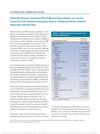
May 2017 in “Dermatologic Surgery” Combining platelet-rich plasma with 5% minoxidil solution improves hair regrowth in androgenetic alopecia patients.
 14 citations
,
September 2016 in “Journal of Cutaneous Pathology”
14 citations
,
September 2016 in “Journal of Cutaneous Pathology” The document concludes that new methods improve the accuracy of diagnosing scalp alopecia and challenges the old way of classifying it.

COVID-19 can cause significant hair loss.
 April 2016 in “Journal of The American Academy of Dermatology”
 Different treatments are effective for hair loss conditions, but results vary by individual factors.
October 2015 in “CRC Press eBooks” Scalp biopsy and digital phototrichogram help diagnose and manage different types of diffuse hair loss.
 December 2013 in “미용예술경영연구”
 Scalp treatments increased hair density and reduced hair loss in Telogen Effluvium patients.
 90 citations
,
October 1983 in “British Journal of Dermatology”
90 citations
,
October 1983 in “British Journal of Dermatology” The unit area trichogram is a reliable method to assess hair loss and treatment response in people with androgenic alopecia by measuring hair density and thickness.
 4 citations
,
April 2016 in “Experimental Dermatology”
4 citations
,
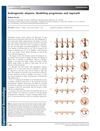
April 2016 in “Experimental Dermatology” AGA causes hair loss through follicle miniaturization and hair cycle changes; regrowth depends on anagen initiation in kenogen follicles.
3 citations
,
January 2018 in “Cirugía Plástica Ibero-Latinoamericana” PRP effectively reduces hair loss, improves hair quality, and increases hair density.
 2 citations
,
January 2023 in “BioMed Research International”
2 citations
,
January 2023 in “BioMed Research International” Beetroot extract nanogel may help treat hair loss caused by testosterone.
 June 2026 in “Journal of Nanobiotechnology”
 Exosomes from stem cells can help treat hair loss by promoting hair growth and reducing hair follicle aging.
October 2025 in “Clinical and Experimental Dermatology” Low-dose oral minoxidil significantly improves hair density in non-scarring alopecia.
 August 2025 in “Journal of Cosmetic Dermatology”
 Light-based therapy can help regrow hair in different types of hair loss, but more research is needed.
July 2023 in “Journal of the European Academy of Dermatology and Venereology” Anti-IL17A therapy reduced venous leg ulcer size by 64% without major side effects.
 June 2022 in “Plastic and Reconstructive Surgery – Global Open”
 Stem cell serum effectively treated hair loss caused by COVID-19.
Platelet-rich plasma treatment significantly improved hair density and regrowth in both men and women suffering from pattern hair loss, with even better results when combined with certain medications.
 63 citations
,
August 2008 in “Journal of Cosmetic Dermatology”
63 citations
,
August 2008 in “Journal of Cosmetic Dermatology” Cuscuta reflexa extract may help treat hair loss caused by hormones.
 June 2025 in “International Journal of Applied Pharmaceutics”
 PRP-Exo is more effective than minoxidil for hair growth.
 January 2022 in “Experimental Dermatology”
 Minoxidil solution and foam both increase hair growth, but the solution works better than the foam.
September 2013 in “International Journal of Dermatology and Venereology” Effective treatments for hair loss are a major focus in dermatology.
 19 citations
,
February 2013 in “The American Journal of Dermatopathology”
19 citations
,
February 2013 in “The American Journal of Dermatopathology” Nonscarring alopecia has higher hair density than scarring alopecia, and hair density can help diagnose the type of alopecia.

The combination therapy improved hair growth and thickness in people with androgenetic alopecia.
March 2021 in “Türk plastik cerrahi dergisi” Activated platelet-rich plasma is a safe and effective treatment for hair loss.
28 citations
,
December 2002 in “Der Hautarzt” TrichoScan accurately measures hair growth and loss, showing increased hair counts and thickness with treatment.
 9 citations
,
January 2014 in “DARU Journal of Pharmaceutical Sciences”
9 citations
,
January 2014 in “DARU Journal of Pharmaceutical Sciences” Cuscuta reflexa extracts helped regrow hair in rats with drug-induced hair loss.
 3 citations
,
June 2017 in “International Journal of Radiation Biology”
3 citations
,
June 2017 in “International Journal of Radiation Biology” Gamma rays did not change hair follicle density but increased white and hypopigmented hairs in mice.