111 citations
,
June 2015 in “Age and Ageing” Dutasteride, fesoterodine, and finasteride are beneficial for older patients, while most other drugs should be used cautiously or avoided.
10 citations
,
August 2016 in “Dermatology Online Journal” Nilotinib can cause skin issues like red bumps and hair loss.
 7 citations
,
May 2017 in “Research and Practice in Thrombosis and Haemostasis”
7 citations
,
May 2017 in “Research and Practice in Thrombosis and Haemostasis” Some blood thinners can cause hair loss, but switching medications can stop it.
 August 2024 in “Dermatology and Therapy”
 Vorasidenib can cause unusual hair growth.
January 2004 in “Chinese Journal of New Drugs and Clinical Remedies” 25 citations
,
October 2018 in “Journal of Mind and Medical Sciences” New oral anticoagulants are safer and easier to use with new reversal agents for bleeding emergencies.
9 citations
,
October 1947 in “The Lancet” 1 citations
,
November 1947 in “The Lancet” May 2026 in “Acta Dermato Venereologica” Early treatment with JAK inhibitors leads to better hair regrowth in acute alopecia areata.
 25 citations
,
April 2019 in “Journal of The American Academy of Dermatology”
25 citations
,
April 2019 in “Journal of The American Academy of Dermatology” Using 2% tofacitinib cream with narrowband ultraviolet B improved facial vitiligo by 70% in patients who didn't respond to previous treatments, with no side effects reported.
2 citations
,
February 2025 in “Archives of Dermatological Research” Baricitinib is a safe and effective alternative for alopecia areata patients who do not respond to tofacitinib.
63 citations
,
September 1995 in “Annals of internal medicine” Fluconazole can cause temporary hair loss, which stops after reducing or stopping the drug.
4 citations
,
January 2023 in “Journal of Clinical Investigation” Specific mutations in a receptor cause facial abnormalities and hair loss.
 1 citations
,
May 2024 in “Dermatology and Therapy”
1 citations
,
May 2024 in “Dermatology and Therapy” Frontal Fibrosing Alopecia needs better diagnostics and treatments, with dutasteride showing promise.
7 citations
,
December 2023 in “International Journal of Molecular Sciences” Forsythiaside A helps protect cells and liver from damage by reducing oxidative stress and boosting antioxidants.
 September 2023 in “Journal of the American Academy of Dermatology”
 Topical tofacitinib helped a man with severe scalp condition after other treatments failed.
11 citations
,
April 1997 in “International Journal of Dermatology” Using tretinoin with triamcinolone acetonide helps treat alopecia areata.
 April 2024 in “JEADV clinical practice”
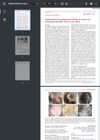
 Upadacitinib significantly improved both rheumatoid arthritis and alopecia areata in a patient.
1 citations
,
April 2015 in “Russkij žurnal detskoj nevrologii” Antiepileptic drugs can cause side effects like menstrual problems and infertility in women with epilepsy, but most pregnancies result in healthy babies, with newer drugs being safer.
 November 2025 in “American Journal of Tropical Medicine and Hygiene”
 Low platelet count and hematocrit may increase the risk of hair loss in dengue fever patients.
 July 2026 in “Preprints.org”
 Tirzepatide users experience more hair loss than semaglutide users.
 January 2023 in “National journal of physiology, pharmacy and pharmacology”
 Low-dose methotrexate is generally safe but can cause mild to severe side effects, and folic acid can reduce these risks.
2 citations
,
May 2024 in “Expert Opinion on Drug Safety” Infections during JAK inhibitor treatment for alopecia areata are usually manageable and rarely stop treatment permanently.
 November 2024 in “SKIN The Journal of Cutaneous Medicine”
 Ritlecitinib provides new treatment options for diverse alopecia areata patients.
24 citations
,
November 1978 in “JAMA” Valproic acid is effective for various seizures, but may cause temporary side effects like drowsiness and stomach issues.
 December 2023 in “JEADV Clinical Practice”
 A woman's hair grew back with baricitinib treatment, but she developed a temporary hairy tongue that was treated with regular tongue brushing.
 2 citations
,
November 2014 in “The journal of investigative dermatology/Journal of investigative dermatology”
2 citations
,
November 2014 in “The journal of investigative dermatology/Journal of investigative dermatology” Oral tofacitinib can treat both psoriasis and alopecia universalis by normalizing inflammatory pathways.
15 citations
,
April 1997 in “Muscle & Nerve” 5 citations
,
April 1997 in “Muscle & Nerve”  36 citations
,
December 2017 in “Journal of the American Academy of Dermatology”
36 citations
,
December 2017 in “Journal of the American Academy of Dermatology” Most patients with frontal fibrosing alopecia stabilized with treatment, especially younger ones, using intralesional corticosteroids and tacrolimus.