 December 2023 in “Acta dermato-venereologica”
 Tofacitinib is effective for treating alopecia areata, and starting treatment early may improve results.
 25 citations
,
January 2017 in “Steroids”
25 citations
,
January 2017 in “Steroids” Allopregnanolone increases growth and changes gene activity in human brain cancer cells.
 3 citations
,
August 2013 in “Stem cells”
3 citations
,
August 2013 in “Stem cells” Certain inhibitors applied to the skin can promote hair growth by maintaining a key hair growth signal.
 March 2025 in “MINAR International Journal of Applied Sciences and Technology”
 Certain genes can predict how well breast cancer patients respond to chemotherapy.
29 citations
,
April 1997 in “Developmental Dynamics” Trypsin slows hair growth and affects color by causing cell death in hair follicles.
91 citations
,
April 2006 in “PubMed” EGFR-targeting cancer drugs can cause skin rashes and other side effects.
14 citations
,
January 2017 in “Dermatology Online Journal” Adalimumab can cause hair loss and scalp issues in some psoriasis patients.
July 2024 in “Journal of Controlled Release” Nanostructured lipid carriers effectively deliver tofacitinib to hair follicles, reversing hair loss in alopecia areata.
January 2024 in “International Journal of Dermatology Research” PRP is more effective than triamcinolone for treating alopecia areata.
102 citations
,
October 2010 in “Molecular Pharmaceutics” Copper-doxorubicin nanoparticles effectively treat tumors with less toxicity.
Ritlecitinib improves hair regrowth in alopecia areata without increasing adverse risks.

Skin tumor cells in patients with tuberous sclerosis have higher levels of a protein called cathepsin B.
14 citations
,
February 2022 in “The Journal of clinical investigation/The journal of clinical investigation” Scientists made a mouse model of a serious skin cancer by changing skin cells with a virus and a specific gene, which is similar to the disease in humans.
 29 citations
,
December 2017 in “Molecular therapy”
29 citations
,
December 2017 in “Molecular therapy” Enzyme replacement therapy improved multiple symptoms of homocystinuria in mice.
25 citations
,
October 2018 in “Pediatric dermatology” Ustekinumab helped three kids with alopecia areata regrow hair.
8 citations
,
January 2017 in “Korean Journal of Physiology and Pharmacology” Pimecrolimus boosts melanin production and movement of skin pigment cells.
 1 citations
,
May 2025 in “Natural Products and Bioprospecting”
1 citations
,
May 2025 in “Natural Products and Bioprospecting” PEVIII is a promising treatment for Pseudomonas aeruginosa keratitis.
1 citations
,
November 1991 in “PubMed” Immunoadsorption successfully treated a man's resistant polymyositis.
December 1998 in “福井大学教育学部紀要 第4部 教育科学” HA-P5 effectively treats acne without causing side effects seen in other treatments.
1 citations
,
May 2021 in “Clinical Nuclear Medicine” Platelet-rich plasma therapy can increase FDG uptake in the scalp.
 April 2024 in “Clinical and experimental dermatology”
 Tofacitinib is effective for severe alopecia areata, similar to oral betamethasone.
1 citations
,
April 2024 in “Metabolites” Activated protein C helps protect mice from long-term radiation damage.
 April 2023 in “Journal of Investigative Dermatology”
 Booster shots of mRNA vaccines for COVID-19 increased protective antibodies without worsening autoimmune skin conditions in patients.
CAR-T cell therapy shows promise for treating autoimmune disorders but faces challenges like complex manufacturing and limited tissue penetration.
 2 citations
,
January 1990 in “Leukemia & Lymphoma”
2 citations
,
January 1990 in “Leukemia & Lymphoma” The combination of mitoxantrone, etoposide, and prednisolone is effective for treating relapsed lymphoma with manageable side effects.
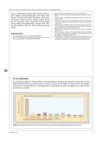
The document corrects a mistake by stating that pimecrolimus, not tacrolimus, is the drug that concentrates in the skin.
 April 2025 in “Frontiers in Immunology”
 Tofacitinib effectively regrows hair in alopecia areata but may need continuous use.
 3 citations
,
April 2021 in “Biomolecules & Therapeutics”
3 citations
,
April 2021 in “Biomolecules & Therapeutics” The protein ER71/ETV2 helps regrow hair after chemotherapy by improving the growth of new blood vessels.
 24 citations
,
July 2018 in “Drug Design Development and Therapy”
24 citations
,
July 2018 in “Drug Design Development and Therapy” NTF gel improves finasteride delivery for hair loss treatment, reducing side effects.
 May 2024 in “Journal of cosmetic dermatology”
 Tofacitinib is an effective and safe treatment for alopecia areata.