 16 citations
,
March 2015 in “Wiener Klinische Wochenschrift”
16 citations
,
March 2015 in “Wiener Klinische Wochenschrift” Vitamin D deficiency is common in women with PCOS and linked to some metabolic problems, but not the main cause of their metabolic issues.
 13 citations
,
June 2018 in “Journal of Womens Health”
13 citations
,
June 2018 in “Journal of Womens Health” Combination therapy with oral contraceptives and spironolactone improves hair growth, menstrual issues, and acne in women with PCOS.
 7 citations
,
May 2019 in “Journal of the Formosan Medical Association”
7 citations
,
May 2019 in “Journal of the Formosan Medical Association” HSD3B1 gene variant and being overweight linked to hair loss in women with polycystic ovary syndrome.
 7 citations
,
June 1994 in “Journal of The American Academy of Dermatology”
7 citations
,
June 1994 in “Journal of The American Academy of Dermatology” Obesity may contribute to female hair loss by increasing male hormone levels that affect hair follicles.
 6 citations
,
February 2013 in “Medical Oncology”
6 citations
,
February 2013 in “Medical Oncology” Certain genetic variants increase the risk of resistance to hormone therapy in prostate cancer patients.
 2 citations
,
January 1984 in “Progress in neuro-psychopharmacology & biological psychiatry”
2 citations
,
January 1984 in “Progress in neuro-psychopharmacology & biological psychiatry” Benzodiazepines changed hormone levels but did not affect hair growth in women with idiopathic hirsutism.
74 citations
,
April 2002 in “PubMed” Both oral contraceptives reduced acne effectively and had similar positive effects on skin oiliness and hair growth.
 51 citations
,
March 2004 in “Hormone and Metabolic Research”
51 citations
,
March 2004 in “Hormone and Metabolic Research” Women with Polycystic Ovary Syndrome have higher levels of the hormone ghrelin, which may be linked to the cause of the condition.
20 citations
,
July 2009 in “Experimental and Clinical Endocrinology & Diabetes” Cyclosporin A does not change sex hormone levels.
February 2024 in “Biomedicines” Pregnant women with PCOS have higher levels of Neurokinin B in the placenta, especially with female babies.
 September 2022 in “Biomedicines”
 Lipid Accumulation Product and Free Androgens Index are effective for assessing fatty liver disease risk in women with Polycystic Ovary Syndrome.
 July 2015 in “Egyptian Journal of Dermatology and Venereology”
 People with androgenetic alopecia, both men and women, are more likely to develop heart diseases in the future.
20 citations
,
September 2023 in “Nutrients” A very-low-calorie diet led to more weight loss and health improvements in obese women with PCOS than a moderate energy deficit diet.
 1 citations
,
June 2023 in “Nutrients”
1 citations
,
June 2023 in “Nutrients” Vitamin D deficiency is linked to a higher chance of metabolic syndrome in women with PCOS.
 November 2025 in “Frontiers in Pharmacology”
 Xiaozhi Yufa decoction may help treat hair loss by improving hair growth and reducing inflammation.
 2 citations
,
November 2017 in “Elsevier eBooks”
2 citations
,
November 2017 in “Elsevier eBooks” Different substances that activate or block the androgen receptor can affect male development and treat conditions like prostate cancer.
 193 citations
,
August 1985 in “Endocrinology”
193 citations
,
August 1985 in “Endocrinology” Different animals have unique versions of the enzyme that changes testosterone into another hormone, which is important for creating effective treatments for prostate and hair loss conditions.
43 citations
,
July 2017 in “International journal of pharmaceutics” Using β-cyclodextrin derivatives improves the solubility and bioavailability of steroidal drugs.
1 citations
,
November 2021 in “Ultrasonography” Ultrasound boosts finasteride's hair growth effects in mice.
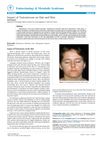 4 citations
,
January 2015 in “Endocrinology & metabolic syndrome”
4 citations
,
January 2015 in “Endocrinology & metabolic syndrome” Testosterone can cause acne and male-pattern baldness, affects hair growth in men and women, and makes male skin more sensitive.
 7 citations
,
April 2012 in “Clinical investigation”
7 citations
,
April 2012 in “Clinical investigation” Transdermal testosterone can improve sexual desire in postmenopausal women but lacks long-term safety data and is not FDA-approved for this use.
 255 citations
,
October 1985 in “The Journal of Clinical Endocrinology & Metabolism”
255 citations
,
October 1985 in “The Journal of Clinical Endocrinology & Metabolism” Spironolactone treatment increases the amount of testosterone available in the body.
 28 citations
,
October 1998 in “Baillière's clinical endocrinology and metabolism”
28 citations
,
October 1998 in “Baillière's clinical endocrinology and metabolism” Testosterone replacement may help post-menopausal women with androgen insufficiency, but more research is needed on its benefits and risks.
 71 citations
,
August 2019 in “The journal of sexual medicine”
71 citations
,
August 2019 in “The journal of sexual medicine” Testosterone treatment effectively causes male physical development in transgender male adolescents but may lead to side effects like acne, higher BMI and blood pressure, lower good cholesterol, and decreased bone density.
 47 citations
,
January 2001 in “Journal of Investigative Dermatology”
47 citations
,
January 2001 in “Journal of Investigative Dermatology” High testosterone to epitestosterone ratio in hair could predict male-pattern baldness.
 26 citations
,
December 2020 in “Cleveland Clinic Journal of Medicine”
26 citations
,
December 2020 in “Cleveland Clinic Journal of Medicine” Testosterone and DHEA can benefit women's health but must be prescribed carefully due to potential risks.
 17 citations
,
March 2016 in “Liver international”
17 citations
,
March 2016 in “Liver international” Men with advanced liver disease and high oestrone and low testosterone levels have worse health outcomes.
 12 citations
,
March 2017 in “Journal of obstetrics and gynaecology Canada”
12 citations
,
March 2017 in “Journal of obstetrics and gynaecology Canada” Testosterone therapy can modestly improve sexual function in menopausal women but should be used cautiously and is not recommended for routine measurement in sexual dysfunction or hirsutism.
 8 citations
,
April 2019 in “Journal of the Endocrine Society”
8 citations
,
April 2019 in “Journal of the Endocrine Society” Postmenopausal women with hyperandrogenism didn't have better metabolic health even after their testosterone levels became normal.
 6 citations
,
September 2012 in “Clinical Interventions in Aging”
6 citations
,
September 2012 in “Clinical Interventions in Aging” Honokiol might help reduce male skin aging by maintaining testosterone levels.