4 citations
,
June 2025 in “JMIR Formative Research” Hair cortisol concentration may reflect some physiological stress but doesn't strongly correlate with perceived stress.
 April 2026 in “Comprehensive Psychoneuroendocrinology”
 Hair cortisol levels may be linked to stress, but results are inconsistent.
10 citations
,
December 1992 in “PubMed” Early detection of Cushing's syndrome during pregnancy is crucial to prevent severe complications.
10 citations
,
November 2018 in “Developmental Psychobiology” Hair can effectively measure DHEA and testosterone levels in children.
 January 2025 in “JCEM Case Reports”
 Ketoconazole improved symptoms of ACTH-independent Cushing syndrome despite inconclusive initial scans.
September 2012 in “European journal of psychotraumatology” A new method accurately measures long-term hormone levels in hair.
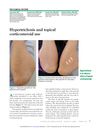 February 2022 in “Cleveland Clinic Journal of Medicine”
 Prolonged use of topical corticosteroids can cause excessive hair growth.
June 2008 in “Experimental Dermatology” 17-beta estradiol and prednisolone may help regrow hair damaged by chemotherapy.
9 citations
,
April 2016 in “Clinical Endocrinology” Scalp hair 17-OHP and androstenedione levels can help monitor treatment in CAH patients.
 223 citations
,
December 2010 in “The Journal of Sexual Medicine”
223 citations
,
December 2010 in “The Journal of Sexual Medicine” Some patients taking finasteride or dutasteride may have ongoing sexual problems and depression even after stopping the medication.
 72 citations
,
January 2011 in “Current Pharmaceutical Design”
72 citations
,
January 2011 in “Current Pharmaceutical Design” S5αR inhibitors might help treat schizophrenia and other mental disorders but need more research.
 7 citations
,
January 2019 in “The Aging Male”
7 citations
,
January 2019 in “The Aging Male” Post-finasteride syndrome's existence is uncertain; more research needed.
 December 2025 in “Scientific Reports”
 Gut microbiota and metabolic pathways may play a key role in PCOS development.
 October 2022 in “Endocrine journal”
 Testosterone and dihydrotestosterone treatments can help with penile growth in males with 5α-reductase type 2 deficiency, with dihydrotestosterone being more effective in infancy.
 December 2025 in “Scientific Reports”
 Cedrol may help reduce liver fat and fat cell growth caused by corticosteroids.
12 citations
,
December 1951 in “Experimental Biology and Medicine” Liver in the diet reduces cortisone acetate toxicity effects in rats.
 70 citations
,
March 2010 in “The Journal of Steroid Biochemistry and Molecular Biology”
70 citations
,
March 2010 in “The Journal of Steroid Biochemistry and Molecular Biology” Blocking a specific enzyme might help treat obesity and diabetes, but more research is needed to ensure it's safe.
 March 2025 in “Institutional Repositories DataBase (IRDB)”
 Hair cortisol can measure chronic stress but has inconsistent results.
May 2012 in “Neurotoxicology and Teratology” Hair cortisol can be a reliable way to measure long-term stress.
3 citations
,
October 2024 in “Experimental Dermatology” Higher CRHR1 levels in AA patients lead to increased inflammation.
2 citations
,
November 2011 in “InTech eBooks” Stress can worsen skin conditions by affecting immune responses and skin cell activities.
 October 2023 in “Journal of the American Academy of Dermatology”
 Clascoterone cream could be used for other skin conditions affected by hormones.
October 2025 in “Journal of the Endocrine Society” Surgery improved symptoms and normalized hormone levels in a woman with an adrenal tumor.
6 citations
,
December 2015 in “Journal of Dermatological Case Reports” Intradermal testing can better detect corticosteroid allergies than patch testing.
 April 2025 in “Annals of Medicine”
 CRH can cause hair loss by promoting cell death in hair growth cells.
January 2026 in “Open MIND” 12 citations
,
July 1958 in “Journal of Endocrinology” Cortisone suppresses hair regrowth, especially undercoat hair, while adrenalectomy affects hair growth differently in rabbits and rats.
 October 2023 in “Journal of the Endocrine Society”
 The desmopressin stimulation test helped identify an adrenal cause for a patient's Cushing's syndrome.
3 citations
,
January 2011 in “International journal of trichology” Low DHEA-S levels might be linked to alopecia areata and could be a potential treatment target.