 January 2020 in “bioRxiv (Cold Spring Harbor Laboratory)”
 Certain genetic variants in ERN1, TACR3, and SPPL2C are linked to when Alzheimer's disease starts.
8 citations
,
October 2020 in “Stem cell research & therapy” DNMT1 helps turn hair follicle stem cells into fat cells by blocking a specific microRNA.
1 citations
,
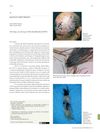
October 2021 in “The journal of investigative dermatology/Journal of investigative dermatology” Removing HIF-P4H-2 from certain skin cells in mice causes hair loss on the body but not the head.
 2 citations
,
February 2019 in “Anais brasileiros de dermatologia/Anais Brasileiros de Dermatologia”
2 citations
,
February 2019 in “Anais brasileiros de dermatologia/Anais Brasileiros de Dermatologia” Tufted folliculitis is common in patients with folliculitis decalvans.
33 citations
,
August 2000 in “Experimental Cell Research”  16 citations
,
October 2014 in “Cell death and disease”
16 citations
,
October 2014 in “Cell death and disease” FoxN1 overexpression in young mice harms immune cell and skin development.
6 citations
,
January 2014 in “Genetics and Molecular Research” The method successfully created stable transfection donor cells for goat hair follicle research.
January 2026 in “Biomaterials” 2 citations
,
October 2023 in “Philosophical Transactions of the Royal Society B Biological Sciences” Different PADI isoforms help cells develop diverse functions.
January 2004 in “Molecular biotechnology” May 2026 in “Chemical Engineering Journal” November 2025 in “The Journal of Immunology” BTNL2 helps protect hair follicles from immune attacks, which could aid in treating alopecia areata.
 103 citations
,
January 2011 in “Blood”
103 citations
,
January 2011 in “Blood” Thymus transplantation successfully restored immune function in infants with FOXN1 deficiency.
CCC1 is essential for pH balance and normal cell function in plants.
36 citations
,
September 1996 in “PubMed” DP and DS cells are different from DF cells in structure and function.
October 1984 in “Immunology Today” A new mutation in the TRPS1 gene caused Trichorhinophalangeal syndrome in a 17-year-old, highlighting the need for genetic testing.
26 citations
,
May 2007 in “Differentiation” Foxn1 helps skin cells mature by controlling a specific protein's activity.
 April 2017 in “Journal of Investigative Dermatology”
 A virus protein can activate a pathway that may lead to abnormal hair follicle development.
 32 citations
,
May 2012 in “PloS one”
32 citations
,
May 2012 in “PloS one” Thymic transplantation normalized some T-cells but not others, maintaining immune function.
22 citations
,
March 2017 in “Journal of the Formosan Medical Association” The guidelines help doctors manage skin problems from certain cancer treatments to improve patients' lives.
 32 citations
,
January 2017 in “Orphanet journal of rare diseases”
32 citations
,
January 2017 in “Orphanet journal of rare diseases” FOXN1 gene mutations cause a rare, severe immune disease treatable with cell or tissue transplants.
 2 citations
,
June 2023 in “Journal of cell science”
2 citations
,
June 2023 in “Journal of cell science” Mutations in iRhom2 affect hair and skin in mice and are linked to esophageal cancer, with ADAM17 playing a crucial role.
 November 2024 in “Communities in ADDI (University of the Basque Country)”
 Antisense oligonucleotides show promise for treating Myotonic Dystrophy type I.
April 2021 in “Journal of Investigative Dermatology” Blocking DPP4 can help prevent fat loss and skin fibrosis.
 20 citations
,
May 2013 in “International Journal of Molecular Medicine”
20 citations
,
May 2013 in “International Journal of Molecular Medicine” Researchers found a new gene variant linked to a rare bone disease, which doesn't always cause symptoms in carriers.
 10 citations
,
March 2015 in “Journal of dermatology”
10 citations
,
March 2015 in “Journal of dermatology” The boy's severe skin disorder is caused by two new mutations in his TGM1 gene.
September 2025 in “Science Advances” PADI4 enzyme slows down cell growth in developing hair follicles.
 5 citations
,
May 2011 in “Movement Disorders”
5 citations
,
May 2011 in “Movement Disorders” Finasteride significantly reduced tics and obsessive-compulsive symptoms in Tourette syndrome patients.
 May 2023 in “Skin research and technology”
 A DNA aptamer helps promote hair growth by enhancing a key cell growth signal in hair follicle cells.