 March 2026 in “Frontiers in Medicine”
 Different types of alopecia cause hair loss due to immune system issues, with some allowing regrowth and others causing permanent loss.

Deucravacitinib improves symptoms and reduces inflammation in Lichen Planopilaris.
February 2026 in “Molecular and Cellular Probes” Stem cell and plant exosomes may help heal and regenerate skin.
January 2026 in “Journal of Investigative Dermatology” Special cells can help regrow hair in alopecia areata.
 January 2026 in “Inflammation and Regeneration”
 Two-photon microscopy improves skin imaging but faces safety and cost challenges for clinical use.
 January 2026 in “Scientific Reports”
 PCOS involves immune and genetic factors, with key roles for T cells and specific genes.
 December 2025 in “Nature Communications”
 Blocking IL-17a can improve age-related smell loss in mice.
 November 2025 in “Clinical Cosmetic and Investigational Dermatology”
 Immune cells and plasma proteins are linked to hair loss, suggesting new treatment options.
October 2025 in “Preprints.org” Adipose mesenchymal stem cells are best for skincare because they reduce inflammation and are safe and effective.

Scalp psoriasis inflammation is mainly caused by bacteria-related triggers.
 July 2025 in “Archives of Toxicology”
 The new skin model can predict how chemicals might cause skin allergies.
 June 2025 in “International Journal of Molecular Sciences”
 Targeting EMT and fibrotic remodeling may help treat androgenetic alopecia.
February 2025 in “Biochemistry” Stem cell therapy shows promise for treating skin disorders.
 September 2024 in “Archives of Medical Science”
 Alopecia areata is linked to immune system differences, with specific biomarkers like CXCL9 and CXCL10 being key for diagnosis and potential treatment targets.
 August 2024 in “Qucosa (Saxon State and University Library Dresden)”
 White fat tissue in the skin helps control inflammation by affecting certain immune cells.
 August 2024 in “Indian Journal of Skin Allergy”
 Stem-cell therapy shows promise for skin conditions but needs more research.
 February 2024 in “World journal of stem cells”
 Adipose-derived stem cells can help repair and improve eye tissues and appearance.
 January 2024 in “International journal of homoeopathic sciences”
 Early intervention and patient education are crucial for managing alopecia areata.
 December 2023 in “bioRxiv (Cold Spring Harbor Laboratory)”
 Aged individuals heal wounds less effectively due to specific immune cell issues.

Mesenchymal stem cells from laser-assisted liposuction are as effective and safe as those from conventional methods for cell therapy.
 May 2020 in “JAAD case reports”
 Using anthralin and calcipotriene together might help treat tough cases of alopecia areata, but more research is needed to understand how it works.
 January 2020 in “Der Pharmacia Lettre”
 Nanoparticle-based herbal remedies could be promising for treating hair loss with fewer side effects and lower cost, but more research is needed.
 April 2019 in “Journal of Investigative Dermatology”
 Eating grape powder may reduce the severity of skin allergy symptoms.
Alopecia Areata is treated with drugs and therapies to reduce inflammation and immune response.
 April 2018 in “Journal of Investigative Dermatology”
 Mint water extract boosts protective enzymes in skin cells.
 January 2018 in “Elsevier eBooks”
 The document concludes that alopecia has significant social and psychological effects, leading to a market for hair loss treatments.
 November 2015 in “European Journal of Inflammation”
 Cicatricial alopecia, a permanent hair loss condition, is mainly caused by damage to specific hair follicle stem cells and abnormal immune responses, with gene regulator PPAR-y and lipid metabolism disorders playing significant roles.
 September 2014 in “Aktuelle Dermatologie”
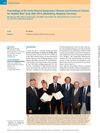
 The symposium concluded that environmental factors significantly contribute to skin aging.
 January 2012 in “Methods in pharmacology and toxicology”
 TRPV3 could be a target for treating pain, skin disorders, and hair problems, but more research is needed to create effective drugs.
 March 2021 in “International Journal of Clinical Dermatology & Research”
 Dupilumab can help regrow hair in alopecia areata but stopping it may cause hair loss again.