 1 citations
,
January 2010 in “Elsevier eBooks”
1 citations
,
January 2010 in “Elsevier eBooks” Any drug can cause skin reactions, but antibiotics, NSAIDs, and psychotropic drugs are more common, with some reactions being life-threatening.
 June 2018 in “Biomedical Journal of Scientific & Technical Research”
 Cells can change to help heal wounds better.
 April 2018 in “Journal of Investigative Dermatology”
 Aging reduces skin cell renewal and defense against germs due to TGFbeta, but blocking TGFbeta could help restore these functions.
 October 2024 in “Journal of Education Health and Sport”
 Alopecia areata treatment should be personalized, using topical or systemic therapies based on severity, with promising options like JAK inhibitors needing more research.
 May 2018 in “White Rose eTheses Online (University of Leeds, The University of Sheffield, University of York)”
 Alopecia areata may be treated by using EGCG to balance immune cells and reduce inflammation.
 May 2024 in “Frontiers in Immunology”
 Type-2 immunity may influence skin diseases and could be targeted for treatment.
 107 citations
,
December 2003 in “Dermatologic Therapy”
107 citations
,
December 2003 in “Dermatologic Therapy” Interferon, especially alfa interferon, is an effective treatment for cutaneous T-cell lymphoma with manageable side effects.
 98 citations
,
December 2008 in “Journal of Investigative Dermatology”
98 citations
,
December 2008 in “Journal of Investigative Dermatology” Prolactin affects hair growth and skin conditions, and could be a target for new skin disease treatments.
 68 citations
,
November 2015 in “The Journal of Allergy and Clinical Immunology”
68 citations
,
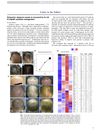
November 2015 in “The Journal of Allergy and Clinical Immunology” Blocking IL-12/IL-23p40 helped reverse severe hair loss in patients.
 39 citations
,
May 2014 in “Frontiers in Pharmacology”
39 citations
,
May 2014 in “Frontiers in Pharmacology” Special immune cells called Tregs can help prevent lung scarring by blocking a specific growth factor.
 39 citations
,
May 2004 in “Clinics in Dermatology”
39 citations
,
May 2004 in “Clinics in Dermatology” The document concludes that treatment for cutaneous T-cell lymphoma should be customized to each patient's disease stage, balancing benefits and side effects, with no cure but many patients living long lives.
 27 citations
,
August 2015 in “Journal of Investigative Dermatology”
27 citations
,
August 2015 in “Journal of Investigative Dermatology” The document concludes that there is a significant lack of reporting on the sex and age of cells in skin research, which could affect clinical trials and treatments.
 13 citations
,
April 2016 in “Journal of Dermatology”
13 citations
,
April 2016 in “Journal of Dermatology” 308-nm excimer light therapy helped over a third of treatment-resistant alopecia universalis patients regrow most of their hair.
 6 citations
,
March 2021 in “Cytotechnology”
6 citations
,
March 2021 in “Cytotechnology” Mesenchymal stem cells show promise in treating COVID-19 by reducing inflammation and aiding recovery, but more research is needed.
 March 2026 in “Journal of Pakistan Association of Dermatologists”
 Tofacitinib helps hair regrowth in alopecia areata but relapse is common after stopping treatment.
 January 2026 in “Inflammation and Regeneration”
 Two-photon microscopy improves skin imaging but faces safety and cost challenges for clinical use.

A new microneedle patch helps repair spinal cord injuries by reducing scarring and promoting nerve growth.
 November 2025 in “Frontiers in Medicine”
 Baseline severity and relapse history affect alopecia areata treatment and recurrence.
 June 2023 in “Research Square (Research Square)”
 Hyaluronic acid and polycaprolactone improve skin regeneration, with polycaprolactone having a stronger effect on healing and tissue repair.
 March 2022 in “Benha Journal of Applied Sciences”
 ULBP3 levels are higher in Tinea capitis patients and may help predict the disease's severity.
 October 2020 in “Veterinary Dermatology”
 New treatments and diagnostic methods for various animal skin conditions showed promising results.
 253 citations
,
April 2014 in “Drugs”
253 citations
,
April 2014 in “Drugs” Teriflunomide helps reduce multiple sclerosis symptoms and is safe for most patients.
 152 citations
,
December 2007 in “Gender Medicine”
152 citations
,
December 2007 in “Gender Medicine” Male and female skin differ due to hormones, affecting conditions like hair loss, acne, and skin cancer, and suggesting a need for gender-specific treatments.
 147 citations
,
November 2020 in “International Journal of Molecular Sciences”
147 citations
,
November 2020 in “International Journal of Molecular Sciences” Keratinocytes help heal skin wounds by interacting with immune cells and producing substances that kill pathogens.
 4 citations
,
November 2014
4 citations
,
November 2014 The skin protects the body, regulates temperature, senses touch, and makes vitamin D.
 October 2025 in “Clinical Cosmetic and Investigational Dermatology”
 Targeting specific cell interactions may help treat skin fibrosis.
 July 2025 in “Archives of Toxicology”
 The new skin model can predict how chemicals might cause skin allergies.
 127 citations
,
January 2015 in “Journal of Biological Rhythms”
127 citations
,
January 2015 in “Journal of Biological Rhythms” The skin's internal clock affects healing, cancer risk, aging, immunity, and hair growth, and disruptions can harm skin health.
 7 citations
,
June 2016 in “Bone Research”
7 citations
,
June 2016 in “Bone Research” A Chinese family had a child with a specific gene mutation causing vitamin D-resistant rickets, but the child improved with calcium and low-dose calcitriol.
 87 citations
,
July 2007 in “British Journal Of Nutrition”
87 citations
,
July 2007 in “British Journal Of Nutrition” Lactococcus lactis strain H61 may reduce some ageing symptoms.