13 citations
,
April 2022 in “Journal of Mind and Medical Sciences” IBD treatment is complex and requires personalized approaches due to varying patient responses.
 68 citations
,
September 2018 in “International Journal of Molecular Sciences”
68 citations
,
September 2018 in “International Journal of Molecular Sciences” Air pollution (PM10) increases skin inflammation and aging by reducing collagen and may trigger a repair response in skin cells.
 119 citations
,
January 2012 in “Nutrition & Metabolism”
119 citations
,
January 2012 in “Nutrition & Metabolism” Modern lifestyles, including poor diet, stress, and long-term use of certain medications, hinder the body's ability to heal from inflammation, leading to chronic diseases.
 2 citations
,
May 2023 in “Frontiers in immunology”
2 citations
,
May 2023 in “Frontiers in immunology” Skin stem cells remember past inflammation, helping them respond better to future injuries and possibly aiding in treating skin issues.
 278 citations
,
March 2013 in “Gut”
278 citations
,
March 2013 in “Gut” Anti-IL-12/IL-23 antibody therapy effectively treats psoriasiform skin lesions in IBD patients.

Scalp psoriasis inflammation is mainly caused by bacteria-related triggers.
 May 2024 in “Frontiers in Immunology”
 Type-2 immunity may influence skin diseases and could be targeted for treatment.
 59 citations
,
June 2022 in “Frontiers in medicine”
59 citations
,
June 2022 in “Frontiers in medicine” There are still challenges in diagnosing and treating chronic skin diseases, but there is hope for future improvements.
2 citations
,
April 2025 in “Journal of Investigative Dermatology” T cells affect skin cell genes in inflammatory diseases, and therapy can normalize these changes.
15 citations
,
February 2021 in “Frontiers in immunology” Leptin, a hormone from fat cells, affects immune responses and can influence skin diseases and hair growth.
 April 2018 in “Journal of Investigative Dermatology”
 Acne patients' skin, both with and without lesions, shows a strong immune response and higher antimicrobial activity.
 January 2012 in “Journal of Investigative Dermatology”
 Small molecule DMF improves psoriasis and multiple sclerosis, adult skin cells can be made to grow new hair, certain skin cells initiate hair growth, IL-17C controls gut health and can cause skin inflammation, and skin cells produce IL-17 that can lead to psoriasis.
 34 citations
,
October 2011 in “Pathology Research International”
34 citations
,
October 2011 in “Pathology Research International” Behçet's Disease may be caused by genetic and environmental factors leading to abnormal immune responses, and stress management and new treatments could improve patient outcomes.
 1 citations
,
January 2010 in “Elsevier eBooks”
1 citations
,
January 2010 in “Elsevier eBooks” Any drug can cause skin reactions, but antibiotics, NSAIDs, and psychotropic drugs are more common, with some reactions being life-threatening.
 27 citations
,
May 2007 in “Archives of dermatological research”
27 citations
,
May 2007 in “Archives of dermatological research” Diphencyprone treatment increases CD8 lymphocytes in the scalp, which is associated with hair regrowth in alopecia areata patients.
 69 citations
,
January 2020 in “Veterinary World”
69 citations
,
January 2020 in “Veterinary World” Ringworm in pets is influenced by fungi type, immune status, and stress hormones.
 252 citations
,
April 2009 in “Seminars in Cell & Developmental Biology”
252 citations
,
April 2009 in “Seminars in Cell & Developmental Biology” The immune system plays a key role in tissue repair, affecting both healing quality and regenerative ability.
 January 2024 in “bioRxiv (Cold Spring Harbor Laboratory)”
 A specific enzyme is essential for proper hair follicle stem cell development and healthy skin.
 2 citations
,
April 2018 in “Journal of Investigative Dermatology”
2 citations
,
April 2018 in “Journal of Investigative Dermatology” Frontal fibrosing alopecia shows increased inflammation and JAK-STAT pathway activity without reduced hair proteins.
3 citations
,
August 2024 in “Frontiers in Immunology” Targeting specific biomarkers and immune signals is more effective and safer for treating inflammatory skin diseases.
118 citations
,
April 2020 in “Stem Cell Research & Therapy” IFNγ-primed MSC secretomes can improve joint health by reducing inflammation and supporting tissue repair.
 20 citations
,
March 2019 in “Nutrients”
20 citations
,
March 2019 in “Nutrients” Rumex japonicus Houtt. may be an effective treatment for atopic dermatitis by reducing inflammation.
 8 citations
,
March 2014 in “American Journal of Pathology”
8 citations
,
March 2014 in “American Journal of Pathology” Damaged hair follicles make mice more prone to skin inflammation and skin cancer after UV exposure.
 5 citations
,
January 2022 in “Molecular Medicine Reports”
5 citations
,
January 2022 in “Molecular Medicine Reports” Pine bark extract helps mice grow hair by reducing inflammation and boosting growth factors.
 May 2018 in “White Rose eTheses Online (University of Leeds, The University of Sheffield, University of York)”
 Alopecia areata may be treated by using EGCG to balance immune cells and reduce inflammation.
114 citations
,
August 2002 in “Journal of Investigative Dermatology” Alopecia areata is caused by an immune response, and targeting immune cells might help treat it.
 57 citations
,
March 2019 in “Immunity”
57 citations
,
March 2019 in “Immunity” The document concludes that the skin's immune system is complex, involving interactions with hair follicles, nerves, and microbes, and can protect or cause disease, offering targets for new treatments.
12 citations
,
September 2014 in “Bone” A vitamin D receptor mutation causes rickets and affects immune responses.
 68 citations
,
November 2015 in “The Journal of Allergy and Clinical Immunology”
68 citations
,
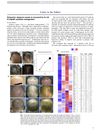
November 2015 in “The Journal of Allergy and Clinical Immunology” Blocking IL-12/IL-23p40 helped reverse severe hair loss in patients.
 306 citations
,
April 2019 in “International Journal of Molecular Sciences”
306 citations
,
April 2019 in “International Journal of Molecular Sciences” The skin has a complex immune system that is essential for protection and healing, requiring more research for better wound treatment.