 8 citations
,
June 2019 in “Scientific Reports”
8 citations
,
June 2019 in “Scientific Reports” Increased PPARGC1α relates to hair thinning in common baldness.
 124 citations
,
October 2019 in “Frontiers in Immunology”
124 citations
,
October 2019 in “Frontiers in Immunology” Janus kinase inhibitors are promising treatments for autoimmune skin diseases like eczema and psoriasis.
 223 citations
,
September 2018 in “Rheumatology”
223 citations
,
September 2018 in “Rheumatology” JAK inhibitors are effective in treating various immune-related diseases, not just rheumatoid arthritis.
 70 citations
,
October 2020 in “The journal of allergy and clinical immunology/Journal of allergy and clinical immunology/The journal of allergy and clinical immunology”
70 citations
,
October 2020 in “The journal of allergy and clinical immunology/Journal of allergy and clinical immunology/The journal of allergy and clinical immunology” Janus kinase inhibitors are promising drugs for treating autoimmune and inflammatory diseases.
 59 citations
,
July 2015 in “Journal of Immunology”
59 citations
,
July 2015 in “Journal of Immunology” Certain proteins, caspases-1 and -11, are important in the early development of skin inflammation in mice.
 54 citations
,
January 2023 in “Signal Transduction and Targeted Therapy”
54 citations
,
January 2023 in “Signal Transduction and Targeted Therapy” New therapies are being developed that target integrin pathways to treat various diseases.
 52 citations
,
March 2010 in “British Journal of Dermatology”
52 citations
,
March 2010 in “British Journal of Dermatology” Alopecia areata shows a unique type 1 interferon signature, suggesting potential treatment by targeting this pathway.
 14 citations
,
January 2020 in “Mediterranean Journal of Rheumatology”
14 citations
,
January 2020 in “Mediterranean Journal of Rheumatology” New JAK inhibitor drugs show promise for treating skin diseases but need more research on safety and effectiveness.
 11 citations
,
May 2016 in “Naunyn-Schmiedeberg's Archives of Pharmacology”
11 citations
,
May 2016 in “Naunyn-Schmiedeberg's Archives of Pharmacology” A substance called 15-deoxy prostaglandin J2 can cause hair follicle cells to die, which might explain how prostaglandin D2 can lead to hair loss.
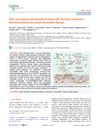 1 citations
,
October 2025 in “Nano Research”
1 citations
,
October 2025 in “Nano Research” A new microneedle patch effectively treats atopic dermatitis by reducing skin stress and restoring immune balance.
 1 citations
,
February 2021 in “Farmacja Polska”
1 citations
,
February 2021 in “Farmacja Polska” Janus kinase inhibitors show promise in treating autoimmune skin diseases.
 June 2026 in “Frontiers in Immunology”
 Upadacitinib effectively treated severe atopic dermatitis, vitiligo, and alopecia areata in one patient.
 February 2026 in “Eduvest - Journal Of Universal Studies”
 Janus Kinase Inhibitors are promising new treatments for various skin conditions due to their effectiveness and safety.

Scalp psoriasis inflammation is mainly caused by bacteria-related triggers.
 December 2024 in “Cureus”
 Baricitinib treatment for alopecia universalis can cause hair regrowth with unexpected whitening.
 October 2023 in “bioRxiv (Cold Spring Harbor Laboratory)”
 A protein called EGFR protects hair follicle stem cells, and when it's disrupted, hair follicles can be damaged, but blocking certain pathways can restore hair growth.
 December 2022 in “Revista Medicina Cutánea Ibero-Latino-Americana”
 JAK inhibitors help treat alopecia areata but have high recurrence after stopping.
 April 2021 in “Sohag Medical Journal”
 Alopecia areata is an autoimmune condition causing hair loss, linked to genetic factors and immune system issues, with no cure yet.
 April 2019 in “Journal of Investigative Dermatology”
 Eating grape powder may reduce the severity of skin allergy symptoms.
 March 2018 in “Suez Canal University Medical Journal”
 New drugs targeting the JAK-STAT pathway show promise for treating inflammatory skin diseases.
 4 citations
,
November 2023 in “Frontiers in immunology”
4 citations
,
November 2023 in “Frontiers in immunology” New treatments targeting T-cell pathways are needed for better alopecia areata management.
 489 citations
,
November 2021 in “Signal Transduction and Targeted Therapy”
489 citations
,
November 2021 in “Signal Transduction and Targeted Therapy” The JAK/STAT pathway is important in cell processes and disease, and JAK inhibitors are promising for treating related conditions.
 16 citations
,
June 2017 in “Advances in Therapy”
16 citations
,
June 2017 in “Advances in Therapy” New treatments for hair loss are showing promise due to better understanding of genetics and the immune system.
 13 citations
,
October 2019 in “Journal of lasers in medical sciences”
13 citations
,
October 2019 in “Journal of lasers in medical sciences” CO2 laser treatment for aging skin significantly changes immune system-related genes.
9 citations
,
June 2023 in “Cells” Certain natural and synthetic compounds may help treat inflammatory skin diseases by targeting a specific signaling pathway.
 June 2026 in “Saudi Medical Horizons Journal”
 JAK inhibitors show promise in treating skin conditions like eczema, hair loss, and vitiligo but need more safety research.
 July 2023 in “The Egyptian Journal of Hospital Medicine ”
 Alopecia areata is a hair loss condition caused by immune factors and can be treated with JAK inhibitors.
 May 2018 in “White Rose eTheses Online (University of Leeds, The University of Sheffield, University of York)”
 Alopecia areata may be treated by using EGCG to balance immune cells and reduce inflammation.
July 2024 in “Journal of Investigative Dermatology” Brepocitinib improves cicatricial alopecia and reduces key immune markers.
5 citations
,
October 2025 in “Expert Review of Clinical Immunology” New treatments for alopecia areata focus on targeting immune responses for better results.