Search
for
Sort by
Research
900-930 / 1000+ results
research Identification of drug-specific public TCR driving severe cutaneous adverse reactions
Researchers found a specific immune receptor in patients that causes severe skin reactions to a drug.

research Characterisation of CD4+ stem cells of the skin and their role in skin homeostasis and tumourigenesis
CD4+ skin cells may be precursors to basal cell carcinoma.
research Innovative Therapeutic Strategies in TYK2-Targeted Treatments: From Cancer to Autoimmune Disorders
TYK2 inhibitors show promise for treating cancer and autoimmune disorders.
research Thymic Mesenchymal Cells Have a Distinct Transcriptomic Profile
Thymic mesenchymal cells have unique gene expression that supports their specific functions in the thymus.

research 1432 Mechanosensitive lymphocytes potentiate wound repair by regulating inflammation and extracellular matrix
Lymphocytes, a type of immune cell, are crucial for wound healing as they help remodel damaged areas and reduce inflammation.

research 516 Possible role of ILC1 in the pathogenesis of alopecia areata (AA)
ILC1 cells contribute to hair loss in alopecia areata.
research 1392 Activation of Id2 gene regulatory network ruling quiescence of hair follicle stem cells
Id2 gene helps keep hair follicle stem cells inactive.
research Alterations in the expression of specific epidermal keratin markers in the hairless mouse by the topical application of the tumor promoters 2,3,7,8-tetrachlorodibenzo-p-dioxin and the phorbol ester 12-O-tetradecanoylphorbol-13-acetate
TCDD changes skin cell growth and keratin production in mice.

research Regulatory T cells in autoimmune skin diseases
Treg dysfunction is linked to various autoimmune skin diseases, and understanding Treg properties is key for new treatments.
research Delayed hair cycle in mnd2 mutant mice lacking HtrA2 serine protease activity
HtrA2 activity is crucial for normal hair growth by regulating fat cell development.

research Plasmacytoid dendritic cells as a key player in the initiation phase of alopecia areata-induced C3H/HeJ mouse
Plasmacytoid dendritic cells, which overproduce IFN-α, may play a crucial role in starting alopecia areata, an autoimmune disease causing hair loss.
research Distinct use of super-enhancer elements controls cell type–specific CD25 transcription and function
Super-enhancers control CD25 expression in specific cell types, affecting immune function.
research A helminth mimic of TGF-β, TGM, enhances regenerative cutaneous wound healing and modulates immune cell recruitment and activation
A parasite-derived molecule speeds up skin healing and affects immune cell behavior without increasing scarring.
research Multiple potential roles of thymosin β4 in the growth and development of hair follicles
Thymosin β4 may boost hair growth by aiding stem cell movement and blood vessel formation.
research Primary TSC2-/meth Cells Induce Follicular Neogenesis in an Innovative TSC Mouse Model
TSC2-/meth cells can cause skin lesions, hair growth, and lung issues, and may be treated with chromatin remodeling agents.
research Human Leukocyte Antigen Class II Alleles Are Associated with Risk of Alopecia Areata
Certain HLA class II alleles increase or decrease the risk of alopecia areata.
research 120 Identification of post-translationally modified trichohyalin epitopes responsible for triggering autoimmunity in alopecia areata
Trichohyalin in hair can trigger immune attacks in alopecia areata.

research 751 Thymic stromal lymphopoeitin controls hair growth
Thymic stromal lymphopoietin (TSLP) promotes hair growth by stimulating specific skin cells.

research Ptch2 is a Potential Regulator of Mesenchymal Stem Cells
Ptch2 plays a key role in controlling stem cell function and the ability to regenerate after birth.
research 396 Vδ1 + T-cells are stress-sentinels in human skin and are implicated in alopecia areata pathogenesis
Vδ1+ T-cells in the skin contribute to hair loss in alopecia areata and could be targeted for treatment.
research 051 γδ T cells as novel players in alopecia areata pathobiology: Vδ1 + T lymphocytes may recognize “stressed” hair follicle keratinocytes, leading to IFNγ-dependent hair follicle dystrophy and immune privilege collapse
Targeting specific T cells may help treat alopecia areata.
research Detection of Type IIHair Keratin Gene in a Family with Monilethrix
A unique gene mutation was found in a family with monilethrix.

research 1329 Transglutaminase 2 deficiency leads to lipid accumulation and reduced autophagy in SZ95 sebocytes
Lack of TG2 increases fat storage and lowers cell cleanup in skin oil cells.

research Thyrotropin releasing hormone (TRH): a new player in human hair‐growth control
TRH stimulates human hair growth and extends the hair growth phase.
research The Parathyroid Hormone Second Receptor PTH2R and its Ligand Tuberoinfundibular Peptide of 39 Residues TIP39 Regulate Intracellular Calcium and Influence Keratinocyte Differentiation
TIP39 and PTH2R help control calcium levels and skin cell development.
research CXCL12+ dermal fibroblasts promote neutrophil recruitment and host defense by recognition of IL-17
CXCL12+ fibroblasts help recruit neutrophils to fight skin infections.

research Helminth TGF-β mimic, TGM, increases leukocyte migration and activation while also enhancing cutaneous wound healing and tissue regeneration.
A parasite molecule can speed up skin healing and reduce scarring.

research Keep your hair on
Immune cells called Treg cells are essential for hair growth and regeneration.
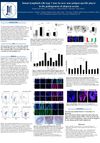
research Innate lymphoid cells type 1 may be new, non-antigen-specific player in the pathogenesis of alopecia areata
Innate lymphoid cells type 1 may contribute to alopecia areata by damaging hair follicles.