118 citations
,
June 1993 in “Journal of Biological Chemistry” Human and mouse TGase3 enzymes are similar but differ near the activation site, crucial for their function in skin and hair development.
NCBP3, SDHA, and PTPRA are the best genes for normalizing goat skin experiments.
3 citations
,
January 2024 in “Poultry Science” FOXO3 is essential for proper feather development in goose embryos.
January 2026 in “Animals” TBX3 gene affects pigmentation and marking formation in Dun Mongolian horses.
July 2026 in “Journal of Drug Delivery Science and Technology”  November 2024 in “Malaysian Journal of Microbiology”
 Patients with thyroid disorders show different symptoms and antibody levels.
Niosomes improve aminexil's effectiveness in preventing hair loss without needing propylene glycol.
14 citations
,
June 2012 in “Stem Cells” TACE/ADAM17 is essential for maintaining healthy hair and hair follicle stem cells.
April 2016 in “Journal of Investigative Dermatology” CD73 may regulate hair growth and could be targeted for hair growth treatments.
August 2009 in “Mechanisms of Development” 1 citations
,
July 2024 in “Journal of Immunoassay and Immunochemistry” Alopecia areata patients have lower SOX9 and CD34 levels, affecting hair growth.
November 2025 in “Bioactive Materials” TQC shows promise for better hair regrowth in treating hair loss.
 11 citations
,
January 2017 in “Oxidative medicine and cellular longevity”
11 citations
,
January 2017 in “Oxidative medicine and cellular longevity” Antroquinonol may help prevent skin depigmentation by suppressing certain immune cells.
February 2024 in “Indian Journal of Chemistry” Compound N4 effectively kills breast cancer cells and compounds N2 and N3 have strong antibacterial and antifungal properties.
January 2013 in “Tampere University Institutional Repository (Tampere University)” Tudor-SN is important for immune cells, and polyamines can promote hair growth.
2 citations
,
January 2014 in “Journal of Cytology & Histology” Rapamycin and anti-EGFR antibody reduce LAM/TSC cell migration and blood vessel growth in the uterus.
 7 citations
,
January 2016 in “Laboratory Investigation”
7 citations
,
January 2016 in “Laboratory Investigation” TR3 is mainly found in hair follicle stem cells and may be involved in hair loss.
 11 citations
,
November 2006 in “Journal of Veterinary Diagnostic Investigation”
11 citations
,
November 2006 in “Journal of Veterinary Diagnostic Investigation” An alpaca acted like a male and couldn't have babies because of a benign tumor in its ovary that caused high testosterone levels.
Nod factor can trigger changes in legume root hairs with just one molecule.
2 citations
,
May 2022 in “Advanced therapeutics” A new microneedle system effectively delivers a vasodilator to hair follicles, promoting hair growth better than current treatments.
15 citations
,
September 2009 in “European Journal of Histochemistry” CD90 is abundantly present on stem-like cells in dog hair follicles.
 February 2025 in “Drug Testing and Analysis”
 All samples tested negative for banned substances, ensuring competition integrity.
 21 citations
,
January 2021 in “Therapeutic Advances in Endocrinology and Metabolism”
21 citations
,
January 2021 in “Therapeutic Advances in Endocrinology and Metabolism” Testosterone may have a dual role in COVID-19, potentially worsening outcomes in men, and testosterone therapy could help some patients, but more research is needed.
2 citations
,
February 2022 in “Genomics” Researchers discovered new cell types in goat hair follicles that could help understand hair regrowth and human hair loss.
 April 2026 in “Signal Transduction and Targeted Therapy”
 Balancing testosterone may reduce COVID-19 severity.
October 2025 in “Science Advances” IFN-γ production by CD4 T cells is crucial for causing alopecia areata.
 12 citations
,
February 2010 in “Journal of the European Academy of Dermatology and Venereology”
12 citations
,
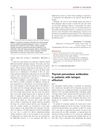
February 2010 in “Journal of the European Academy of Dermatology and Venereology” Some people with chronic hair loss may have thyroid autoimmunity.
 1 citations
,
October 2017 in “Circulation”
1 citations
,
October 2017 in “Circulation” A new technology showed that the SOX9 gene might control heart scar formation after injury, suggesting new treatment possibilities.
 1 citations
,
May 2018 in “jurnal veteriner”
1 citations
,
May 2018 in “jurnal veteriner” Scraping is the best method to diagnose demodicosis in dogs.
10-20% of mouse Tregs have dual TCRs, suggesting potential functional benefits.