 May 2025 in “Journal of Food and Nutrition Research”
 Black wolfberry ferment may help regrow hair in cases of androgenetic alopecia.
 January 2025 in “Exploratory Animal and Medical Research”
 Lithium carbonate and lead acetate together harm the heart more than individually.
 January 2025 in “International Journal of Dermatology Venereology and Leprosy Sciences”
 Current treatments for alopecia areata can help hair grow but don't cure the disease.
 October 2024 in “Scientific Reports”
 OXTR agonists may promote hair growth and be effective for treating hair loss.
 August 2024 in “Journal of Contemporary Medical Practice”
 Professor Ma Shuanquan treats hair loss by using Chinese medicine to improve liver, spleen, and kidney health.
 January 2024 in “RSC pharmaceutics”
 Removing the outer skin layer increases drug absorption and offers non-invasive treatment options, with some methods allowing for quick skin recovery.
 December 2023 in “International journal of multidisciplinary research and analysis”
 SH-MSCs gel reduced IL-6 and increased TGF-β, suggesting it could treat alopecia.
 December 2023 in “International journal of multidisciplinary research and analysis”
 SH-MSCs gel can effectively treat alopecia by increasing IL-10 and decreasing TNF-α gene expression.
 November 2023 in “Martor”
 People still turn to witchcraft for help with modern problems despite technological advances.
 September 2023 in “Journal of Parasite Science”
 The dog's skin condition improved significantly after seven days of treatment.
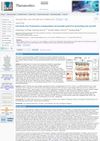 January 2023 in “Theranostics”
 A patch with curcumin-zinc can improve hair growth and health by delivering beneficial particles to the skin, increasing hair follicles, and reversing effects of a hair loss hormone.
 December 2022 in “Journal of Phytonanotechnology and Pharmaceutical Sciences”
 Ayurvedic treatment helped a woman with PCOS become pregnant and have a healthy baby.
 June 2022 in “bioRxiv (Cold Spring Harbor Laboratory)”
 ILC1-like cells can cause alopecia areata by attacking hair follicles.
 August 2021 in “Journal of emerging technologies and innovative research”
 PRP combined with Ayurvedic medicine may effectively treat hair loss.
 July 2021 in “Open access journal of biomedical science”
 A lotion with natural extracts significantly sped up hair growth in women with hair loss from chemotherapy.
 June 2021 in “International Journal of Ayurveda and Pharma Research”
 Moorvadi choornam may help reduce chemotherapy side effects.
 May 2020 in “International journal of current microbiology and applied sciences”
 A Pug with skin issues was successfully treated for mite and bacterial infections.
 April 2019 in “Journal of Investigative Dermatology”
 Women with scarring alopecia are less likely to have used hormone replacement therapy or oral contraceptives compared to those with female pattern hair loss.
 December 2018 in “Lasers in Surgery and Medicine”
 Science improves peace by advancing medical treatments, like laser therapies and non-invasive imaging.
 April 2017 in “International journal of research in Ayurveda and pharmacy”
 Ayurvedic methods can help reduce the harmful effects of chemicals in cosmetics.

Low-level laser therapy may help stem cells grow and function better, aiding in healing and tissue repair.
 July 2015 in “Cambridge University Press eBooks”
 The document concludes that treatments for female hair loss and excess body hair are available, but managing expectations is important.
 December 2012 in “Journal of Dermatological Science”
 Estrogen increases a growth factor in hair cells which might affect hair loss.
 June 2006 in “British Journal of Dermatology”
 Lower adrenal hormone levels may cause hair loss in postmenopausal women, certain patterns help diagnose nail cancer, and a gene variant linked to higher skin cancer risk in kidney transplant patients suggests monitoring folate levels.
 November 2001 in “Dermatologic Surgery”
 Galea fixation is a safe and effective way to remove bald scalp with minimal scarring and reduced stretch-back.
 June 2001 in “Proceedings of SPIE”
 Low energy laser therapy effectively treats certain skin conditions and improves recovery time without side effects.
Topical minoxidil helps treat hair loss in teens, but more research needed for safe options.
24 citations
,
February 2022 in “Journal of Biological Chemistry” Carvacrol activates the TRPV3 channel, which may help design new skin treatments.
2 citations
,
June 2018 in “Cosmetics” AMPD is a better and less damaging alternative to ammonium hydroxide for hair bleaching.
November 2025 in “Cosmetics” POLEVAN® improves hair shine, moisturizes the scalp, and maintains foam quality in shampoos.