 February 2024 in “Frontiers in physiology”
 Hair follicle stem cells help skin heal and grow during stretching.
 February 2024 in “Plant Cell Reports”
 AtVPS29 is essential for proper plant growth by regulating gibberellin signaling.
 January 2024 in “Clinical, cosmetic and investigational dermatology”
 Dermatologists should customize cosmetic treatments for dark-skinned patients to minimize risks and complications.
 January 2024 in “Seven Editora eBooks”
 Different techniques measure hair properties to ensure cosmetic products work.
 January 2024 in “Pharmacophore”
 Herbal nanocosmeceuticals are more effective and eco-friendly than traditional skincare products.
Plasma gel and PRP treatments improve skin and hair with minimal side effects.
 September 2023 in “Asian journal of beauty & cosmetology”
 Lipids are important for healthy hair, but their exact role is not fully understood and needs more research.
 September 2023 in “Bangladesh Journal of Neurosurgery”
 Stereotactic Radiosurgery is an effective non-invasive treatment for cerebral AVM, with successful outcomes and minimal side effects.
 April 2023 in “Han'gug miyong haghoeji/Journal of the Korean society of cosmetology”
 Direct heat perms cause more damage to hair than softening heat perms.
 January 2023 in “Frontiers research topics”
 Skin conditions can cause significant psychological distress, so addressing mental health is crucial for improving quality of life.
 January 2023 in “Book of Abstracts”
 COVID-19 can cause different types of hair loss, with telogen effluvium being the most common.
 December 2022 in “theses.fr (ABES)”
 Microplastics in the Lebanese Mediterranean carry harmful pollutants, posing environmental and health risks.
 July 2022 in “Journal of Veterinary Medical Research”
 Fluconazole is effective against animal strains, while Itraconazole works for some human strains, and longer contact with disinfectants like iodine and Virkon S is crucial.
 May 2022 in “bioRxiv (Cold Spring Harbor Laboratory)”
 The enzyme 5α-reductase is important for proper blood vessel development during the fertility-related transformation of the uterus lining.
 February 2022 in “International Journal of Complementary & Alternative Medicine”
 Good hair and scalp health indicate good overall health.

Human hair keratins can be turned into useful 3D biomedical scaffolds through a freeze-thaw process.

PlacMA hydrogels from human placenta are versatile and useful for cell culture and tissue engineering.
 January 2020 in “Der Pharmacia Lettre”
 Nanoparticle-based herbal remedies could be promising for treating hair loss with fewer side effects and lower cost, but more research is needed.
 November 2019 in “Harper's Textbook of Pediatric Dermatology”
 The document is a detailed medical reference on skin and genetic disorders.
 September 2019 in “Journal of Investigative Dermatology”
 Sandalore, a synthetic scent, was found to reduce hair loss and improve hair growth in women with hair shedding issues.
 September 2019 in “University of Huddersfield Repository (University of Huddersfield)”
 Nanoemulsions can effectively deliver antiseptic agents deep into the skin.
 September 2019 in “Journal of Investigative Dermatology”
 Sandalore® reduces hair shedding and increases hair volume in women with telogen effluvium.
 September 2019 in “Journal of Investigative Dermatology”
 Retinol significantly reduces neck wrinkles.
 May 2019 in “Pakistan Journal of Pharmaceutical Sciences”
 CO2 laser treatment may be more effective for skin rejuvenation.
 July 2018 in “Elsevier eBooks”
 The most common cause of hair loss in children is tinea capitis, followed by alopecia areata and telogen effluvium.
Microneedle technology is effective for skin rejuvenation and enhancing cosmeceutical delivery, with ongoing innovation and increasing commercialization.
 April 2018 in “bioRxiv (Cold Spring Harbor Laboratory)”
 A gene variant causes patched hair loss in mice, similar to alopecia areata in humans.
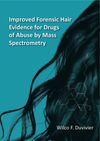
Forensic hair analysis for drugs is now more reliable and accurate.
 January 2016 in “Research Explorer (The University of Manchester)”
 Activating the Eda/Edar pathway improves wound healing by enhancing hair follicle growth.