
Testosterone in our bodies helps increase insulin secretion from the pancreas.
August 2017 in “Journal of animal science/Journal of animal science ... and ASAS reference compendium” Melatonin supplementation may lower skin temperature in unshaved areas of pregnant beef cattle.
2 citations
,
April 2025 in “Cells” Heat preconditioning does not improve nanofat's ability to form blood vessels.
March 2023 in “Journal of Student Research” Humans likely became hairless to better regulate body temperature.
1 citations
,
February 2025 in “Journal of Dermatological Science” Rapid thawing increases tissue destruction and tumor growth inhibition.
 29 citations
,
January 2021 in “Journal of Investigative Dermatology”
29 citations
,
January 2021 in “Journal of Investigative Dermatology” Fat under the skin releases HGF which helps hair grow and gain color.
24 citations
,
May 2022 in “Frontiers in Endocrinology” Activating brown fat may help manage PCOS symptoms.
4 citations
,
January 2021 in “Current Research in Physiology” μ-Crystallin in mouse muscle increases fat metabolism.
 December 2025 in “Zenodo (CERN European Organization for Nuclear Research)”
 Thermal protectants help reduce hair damage from heat styling.
 December 2025 in “Zenodo (CERN European Organization for Nuclear Research)”
 Thermal protectants help reduce hair damage from heat styling.
 December 2020 in “Nippon Laser Igakkaishi”
 Photobiomodulation therapy is beneficial in plastic surgery and dermatology.

Testosterone in human pancreas cells boosts insulin production.
12 citations
,
January 1999 in “Journal of Animal Science” Glucocorticoids and thyroid hormones together are essential for fetal fat development.
 72 citations
,
October 2009 in “The FASEB journal”
72 citations
,
October 2009 in “The FASEB journal” TRH stimulates human hair growth and extends the hair growth phase.
 January 2024 in “Medicine”
 Hypothyroidism is often linked to the hair loss condition telogen effluvium.
 August 2023 in “MOJ women's health”
 Brown Adipose Tissue (BAT) could potentially treat Polycystic Ovary Syndrome (PCOS) by controlling energy balance and lipid homeostasis, but more human research is needed.
 92 citations
,
January 1999 in “Physics in Medicine and Biology”
92 citations
,
January 1999 in “Physics in Medicine and Biology” Skin can be cooled quickly and safely during laser treatments to protect it without affecting deeper layers.
 April 2023 in “bioRxiv (Cold Spring Harbor Laboratory)”
 Sweat gland development involves two unique skin cell programs and a temporary skin environment.
 4 citations
,
June 2019 in “International Journal of Cosmetic Science”
4 citations
,
June 2019 in “International Journal of Cosmetic Science” Heat transfer in hair is slower in groups of hair, increasing the risk of damage from high-temperature styling tools.
 70 citations
,
July 2016 in “Aging”
70 citations
,
July 2016 in “Aging” Targeting dermal adipocytes may help combat skin aging.
 6 citations
,
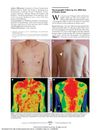
September 2010 in “Archives of Dermatology”
6 citations
,
September 2010 in “Archives of Dermatology” Thermography matched the patient's pain levels in a shingles case and might help diagnose shingles without a rash.

Adipocytes in atopic dermatitis skin change and worsen inflammation and fibrosis.
 2 citations
,
August 2023 in “Ecotoxicology and environmental safety”
2 citations
,
August 2023 in “Ecotoxicology and environmental safety” Vitamin A helps rabbit skin cells grow and survive heat stress.
June 2026 in “Journal of Investigative Dermatology” Aging weakens sweat glands due to reduced support from immune cells, but treatments may help restore function.
15 citations
,
June 2015 in “PLoS ONE” Thymosin beta-4 promotes hair growth in mice.
22 citations
,
September 1986 in “Journal of Investigative Dermatology” Low-dose topical alpha-terthienyl may be a safer option for treating skin conditions with light therapy.
 10 citations
,
February 2013 in “British Journal of Dermatology”
10 citations
,
February 2013 in “British Journal of Dermatology” Thyrotropin-releasing hormone may help control skin and hair growth and could aid in treating related disorders.
74 citations
,
November 1975 in “Archives of dermatology” Increased DHT formation in skin can cause hair loss, acne, and excessive hair growth, and antiandrogens might treat these conditions.
10 citations
,
December 2018 in “Journal of animal physiology and animal nutrition” Heat stress reduced hair growth and affected related genes in rex rabbits.
 May 2025 in “Experimental Dermatology”
 Triphenylphosphine oxide can increase oil production and reduce inflammation in skin cells without affecting TRPM5.