3 citations
,
March 2009 in “Hirosaki University Repository for Academic Resources (Hirosaki University)” Hirosaki hairless rats have sparse, twisted hair due to missing hair keratin genes.
 2 citations
,
February 2021 in “The Journal of clinical and aesthetic dermatology”
2 citations
,
February 2021 in “The Journal of clinical and aesthetic dermatology” Understanding the cause of bitemporal hair loss is key to deciding the right treatment.
 1 citations
,
January 2019 in “Skin appendage disorders”
1 citations
,
January 2019 in “Skin appendage disorders” A woman's sudden hair loss three years after a bone marrow transplant was a sign of chronic graft-versus-host disease but improved with treatment.
 1 citations
,
July 2018 in “Elsevier eBooks”
1 citations
,
July 2018 in “Elsevier eBooks” Triple horizontal scalp biopsies are 98% accurate in diagnosing hair loss, better than single biopsies.
 July 2026 in “Dermatology and Therapy”
 Hair growth supplements significantly improve hair growth and health in women.
June 2026 in “Journal of Cosmetic Dermatology” Hair mesotherapy with peptides and nutrients improves hair growth in androgenetic alopecia.
 May 2026 in “Iconic Research and Engineering Journals”
 Polyherbal hair oils effectively promote hair growth and scalp health.
 September 2025 in “PubMed”
 Hair miniaturization is the main cause of long-term hair loss after stem cell transplantation and chemotherapy, and treatments like topical minoxidil can help improve hair volume.
 September 2025 in “International Journal of Science and Research (IJSR)”
 Stress causes hair loss by disrupting hair growth cycles, and combining medical and cosmetic treatments can help manage it.
 May 2025 in “International Journal of Biological and Pharmaceutical Sciences Archive”
 Narasimham Hair Oil effectively promotes hair regrowth and scalp health without side effects.
 July 2024 in “International Journal of Dermatology Venereology and Leprosy Sciences”
 Bariatric surgery often causes temporary hair loss due to stress and nutrient deficiencies.
 February 2024 in “International journal of biology, pharmacy and allied sciences”
 The polyherbal hair oil effectively treats various hair problems and promotes hair health.
 February 2024 in “International Journal of Molecular Sciences”
 Hair loss in Androgenetic Alopecia is caused by genetics, aging, and lifestyle, leading to hair follicle shrinkage and related health risks.
 December 2023 in “International Research Journal of Modernization in Engineering Technology and Science”
 Herbal hair oils are preferred for treating hair problems because they are effective and have fewer side effects.
 October 2023 in “The Journal of Dermatology”
 The HSVS-A is an effective tool for quickly screening hair shedding in Asian women.
 September 2023 in “Irish Journal of Medical Science (1971 -)”
 About 61% of women who had COVID-19 experienced hair loss afterward.

The document concludes that activating hair roots is important for improving hair growth and preventing hair loss.
 February 2022 in “CRC Press eBooks”
 Hair disorders include hair loss, excessive hair growth, and ingrown hairs, with various treatments available depending on the cause.
 January 2018 in “Indian Dermatology Online Journal”
 Trichoscopy can help tell the difference between artificial hair fibers and other scalp artifacts.
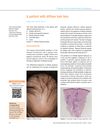 January 2015 in “Indian Dermatology Online Journal”
 The patient's hair loss is most likely due to diffuse alopecia areata.
 August 2013 in “Pharmacy Today”
 Viviscal may modestly improve hair loss in women without adverse effects.
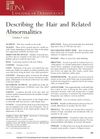 January 2012 in “Journal of the Dermatology Nurses’ Association”
 The document explains hair growth, hair loss types, and other hair-related terms.
 December 2011 in “British Journal of Dermatology”
 As women age, they experience changes in hair density and volume, face challenges in distinguishing normal hair loss from disease, and have limited access to treatments for hair issues.
 February 2009 in “Springer eBooks”
 Pregnancy can cause more body and scalp hair growth and make nails brittle, but these changes often revert after giving birth.
 September 1997 in “JEADV. Journal of the European Academy of Dermatology and Venereology/Journal of the European Academy of Dermatology and Venereology”
 Blocking IL-1 could help treat some hair loss conditions; alopecia affects liver detox systems; spironolactone is better than finasteride for female hair growth; focusing on the catagen hair phase could lead to new alopecia treatments.
Pregnancy and hormonal contraceptives can cause temporary hair loss on the scalp and increased hair growth on the face and body.
 May 2023 in “Archives of dermatological research”
 Some factors like thyroid disease, diabetes treatment, hair dryers, natural hairstyles, and scalp conditions can affect the treatment results for a hair loss condition called CCCA.
 February 2022 in “Chinese Journal of Dermatology”
 A 36-year-old woman with worsening hair loss over 10 years was treated with various medications, and after six months, her hair loss did not worsen significantly.
 July 2012 in “Hair transplant forum international”
 Lifestyle choices like stress, smoking, heavy drinking, sun exposure, and chemical hair treatments might speed up hair loss in people with androgenetic alopecia.
 January 2009 in “The Year book of dermatology”
 Ludwig pattern hair loss results from varying androgen sensitivity, causing fewer thick hairs and more thin hairs.