June 2020 in “Authorea (Authorea)” First-time mothers had higher stress hormone levels in late pregnancy than mothers who had given birth before.
 February 2009 in “Springer eBooks”
 Pregnancy can cause more body and scalp hair growth and make nails brittle, but these changes often revert after giving birth.
July 2008 in “Planta Medica” Acanthus montanus extract harms fetal development and causes infertility in offspring.
January 2003 in “Jiefangjun yixue zazhi” Growth factors in skin increase with age, aiding development and healing.
 2 citations
,
May 2017 in “Springer eBooks”
2 citations
,
May 2017 in “Springer eBooks” Pregnancy can cause skin changes and affect existing skin conditions, with limited treatment options due to the need for fetal safety.
31 citations
,
December 1991 in “Annals of the New York Academy of Sciences” ORS and hair matrix cells balance growth and differentiation better than normal keratinocytes, with human dermal fibroblasts crucial for proper differentiation.
 January 2024 in “International Journal of Cosmetic Science”
 A new method using 1,4-n-butylene dimaleate effectively repairs and strengthens damaged hair.
49 citations
,
January 1972 in “Biochimica et Biophysica Acta (BBA) - Protein Structure” 13 citations
,
January 2018 in “Advances in experimental medicine and biology” 22 citations
,
November 2014 in “Proteins Structure Function and Bioinformatics” Cysteines in wool fibers are accessible and form important disulfide bonds.
53 citations
,
March 2006 in “Biopolymers” TTD hair is brittle due to fewer sulfur amino acids and unstable disulfide bonds.
 20 citations
,
June 2022 in “Molecules”
20 citations
,
June 2022 in “Molecules” Thiazole, a sulfur and nitrogen chemical, is useful in creating potential drugs for conditions like seizures, cancer, bacterial infections, tuberculosis, inflammation, malaria, viruses, Alzheimer's, diabetes, and A1-receptor issues.
44 citations
,
January 1984 in “Molecular and Cellular Biochemistry”  37 citations
,
October 2006 in “Steroids”
37 citations
,
October 2006 in “Steroids” New sulfur-containing steroid analogs show promise for more targeted medical treatments.
125 citations
,
February 1971 in “Biochemistry” Specific cross-linkages help make hair proteins stable and strong.
54 citations
,
January 1984 in “Molecular and Cellular Biochemistry” 1 citations
,
January 2017 in “Science” A new method was developed to create complex molecular knots using iron ions.
 January 2026 in “Beilstein Journal of Organic Chemistry”
 A new, efficient method creates sulfinimidate esters from sulfenamides and alcohols without metals.
 18 citations
,
January 2008 in “Sen'i Gakkaishi”
18 citations
,
January 2008 in “Sen'i Gakkaishi” Thioglycolic acid and L-cysteine change hair structure differently during perms, affecting hair strength and curling efficiency.
39 citations
,
June 2012 in “Journal of Structural Biology” Disulfide bonds are crucial for hair structure during keratinization.
 2 citations
,
January 2015 in “Sen'i Gakkaishi”
2 citations
,
January 2015 in “Sen'i Gakkaishi” Washing permed hair after using thioglycolic acid helps reform strong bonds, making hair stronger.
 111 citations
,
August 2002 in “Journal of Medicinal Chemistry”
111 citations
,
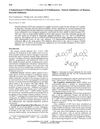
August 2002 in “Journal of Medicinal Chemistry” New compounds were made that block an enzyme linked to breast cancer better than existing treatments.
 April 2025 in “BMC Chemistry”
 Thiadiazole chitosan conjugates improve hair manageability, moisture, and protection in conditioners.
10 citations
,
January 2012 in “International Journal of Cosmetic Science” Thioglycolic acid mainly affects the unordered areas in hair structure.
11 citations
,
April 2022 in “Biophysical Journal” Disulfide bonds in keratin fibers break more easily under stress, especially when wet, affecting fiber strength.
57 citations
,
July 1983 in “Journal of Investigative Dermatology”  April 2025 in “International Journal of Cosmetic Science”
 A new hair perming method avoids damage and lasts longer than traditional methods.
 83 citations
,
July 2008 in “Current Opinion in Chemical Biology”
83 citations
,
July 2008 in “Current Opinion in Chemical Biology” The document concludes that understanding sulfation biology is crucial for creating treatments due to its importance in biological functions and disease.
 May 2024 in “International Journal of Cosmetic Science”
 Disulfide bonds are crucial for hair's strength, especially when wet.
 March 2010 in “International Journal of Cosmetic Science”
 Disulfide bonds affect the melting behavior of hair's crystalline structure, but hair retains some stability even after these bonds are broken.