13 citations
,
September 2017 in “International Journal of Cosmetic Science” Thioglycerol treatment at pH 9.0 with ammonia causes less hair damage and better waving than thioglycolic acid.
23 citations
,
November 2007 in “Actas Dermo-Sifiliográficas” Thyroid hormone (T3) may reverse gray hair by stimulating hair growth.
86 citations
,
November 2015 in “Journal of Gastroenterology” The NUDT15 R139C variant causes thiopurine-induced leukocytopenia through a different mechanism than previously thought in Japanese patients with inflammatory bowel disease.
27 citations
,
January 2018 in “Drug Delivery” GC10/DOX hydrogel shows promise as an effective thyroid cancer treatment.
10 citations
,
January 2012 in “International Journal of Cosmetic Science” Thioglycolic acid mainly affects the unordered areas in hair structure.
November 2012 in “Journal of Clinical Pathology”  10 citations
,
June 2011 in “Movement Disorders”
10 citations
,
June 2011 in “Movement Disorders” THAP1 gene changes do not affect DYT1 dystonia; finasteride may help reduce tics and OCD in Tourette syndrome.
 36 citations
,
June 2014 in “Experimental Neurology”
36 citations
,
June 2014 in “Experimental Neurology” Teriflunomide is an effective and generally safe oral treatment for relapsing MS, reducing relapses and slowing disability progression.
1 citations
,
May 2025 in “Journal of the Indian Chemical Society” 7 citations
,
November 1997 in “Pediatric Dermatology” Trichothiodystrophy can be linked to urologic issues and high calcium in urine.
105 citations
,
February 2010 in “Endocrinology” The skin produces and responds to thyroid-stimulating hormone, which is controlled by other thyroid-related hormones.
31 citations
,
November 2003 in “Journal of Occupational Health” Thioglycolic acid in hair products may pose reproductive and cancer risks for hairdressers.
42 citations
,
September 1985 in “British Journal of Dermatology” Trichothiodystrophy causes abnormal protein deposits and distortion in hair follicles.
 4 citations
,
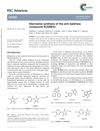
January 2014 in “RSC Advances”
4 citations
,
January 2014 in “RSC Advances” A new, less toxic and more efficient method to create the anti-baldness compound RU58841 was developed in 2014.
3 citations
,
January 1990 in “Cancer chemotherapy and pharmacology” Topical thiols may prevent hair loss caused by certain chemotherapy drugs.
 72 citations
,
December 2009 in “Organic and Biomolecular Chemistry”
72 citations
,
December 2009 in “Organic and Biomolecular Chemistry” Mercuric triflate is an effective catalyst for various organic reactions, working well at room temperature with high yields.
 6 citations
,
January 2007 in “Actas dermo-sifiliográficas/Actas dermo-sifiliográficas”
6 citations
,
January 2007 in “Actas dermo-sifiliográficas/Actas dermo-sifiliográficas” Gray hair regained color after thyroid hormone treatment.
60 citations
,
February 2003 in “Postgraduate Medical Journal” Early diagnosis and haemodialysis can effectively treat thallium poisoning.
1 citations
,
July 1990 in “European Journal of Pharmacology” 9 citations
,
October 1947 in “The Lancet” 1 citations
,
November 1947 in “The Lancet” January 2026 in “Journal of Materials Chemistry B” A special solvent helps hydroxytyrosol penetrate skin better, promoting hair growth.
14 citations
,
June 2011 in “Journal of Dermatological Science” TSH influences keratin expression in human hair follicles.
10 citations
,
March 1997 in “Pediatric Dermatology” A rare case of trichothiodystrophy was found with autism, seizures, and mental retardation.
43 citations
,
January 2016 in “Oxidative medicine and cellular longevity” THSG from a Chinese plant helps with aging and related diseases.
 37 citations
,
September 2003 in “Journal of Medicinal Chemistry”
37 citations
,
September 2003 in “Journal of Medicinal Chemistry” A substance called Compound 2g can strongly block STS (a hormone-related enzyme) without affecting estrogen levels, making it potentially good for treating breast cancer.
27 citations
,
January 2017 in “Journal of clinical and diagnostic research” A woman poisoned with thallium was successfully treated with activated charcoal and Prussian blue.
 June 2025 in “Mağallaẗ ʻulūm al-rāfidayn”
 New pyrazole derivatives may help treat hair loss, but more testing is needed.
4 citations
,
December 2024 in “European Journal of Medicinal Chemistry” New pyrazole-based inhibitors show promise for treating metabolic diseases and other conditions.
7 citations
,
April 1979 in “The Journal of Pediatrics”