December 2023 in “Indian Journal of Endocrinology and Metabolism” Early diagnosis, genetic testing, and innovative treatments are crucial for managing complex medical conditions.
1 citations
,
January 2025 in “IntechOpen eBooks” A comprehensive system is needed to ensure cosmetics are safe and effective, using global insights and new AI technologies.
254 citations
,
March 2023 in “Diagnostics” The guidelines suggest reconsidering PCOS criteria for better diagnosis and care.
81 citations
,
October 2023 in “Bioactive Materials” 3D-printed microneedles improve drug delivery and diagnostics but face scalability and regulatory challenges.
34 citations
,
July 2020 in “American journal of human genetics” Changes in the SREBF1 gene cause a rare genetic skin and hair disorder.
23 citations
,
April 2025 in “Journal of Clinical Medicine” AI can greatly improve plastic surgery, but ethical care and human aspects must remain a priority.
 8 citations
,
February 2022 in “Molecules”
8 citations
,
February 2022 in “Molecules” Asparagus racemosus root extract reduced sebum and pore size in men but not in women.
 1 citations
,
May 2022 in “Pharmaceutics”
1 citations
,
May 2022 in “Pharmaceutics” Tea seed oil in nanostructured carriers stimulates hair growth and feels less greasy when applied.
July 2013 in “Neurosurgery” Spinal fMRI can help understand brainstem and spinal cord function, especially in spinal cord injury patients.
February 2025 in “Skin Research and Technology” New non-invasive techniques can improve diagnosis and treatment of scalp and hair diseases.
41 citations
,
January 2015 in “Burns & Trauma” Tissue engineering improves burn scar reconstruction by using skin substitutes and replacing damaged tissues.
4 citations
,
July 2025 in “Annals of the New York Academy of Sciences” Combining skeletal and molecular anthropology improves identifying human remains.
 March 2026 in “Preprints.org”
 Robotic systems in cosmetic surgery are promising but need more development and research.
 April 2024 in “Pharmaceuticals”
 Bimatoprost helps with hair growth and eye conditions but can be costly and have side effects.
April 2024 in “Surgical Techniques Development” The 11th AICPE Congress in Rimini was a major event in European aesthetic plastic surgery.
 May 2023 in “Journal of Clinical Medicine”
 New understanding and treatments for hair loss are improving, but more research is needed.
8 citations
,
May 2025 in “Biomolecules” Forensic genetics can now predict physical traits and lifestyle habits, with future advancements expected from new technologies.
6 citations
,
July 2023 in “Diabetology” Autologous micrografts significantly improve wound healing in diabetic conditions by speeding up tissue regeneration and reducing inflammation.
9 citations
,
July 2015 in “Clinical Cosmetic and Investigational Dermatology” QV Face Rescue Gel effectively soothes sensitive skin and boosts collagen without causing irritation.
2 citations
,
December 2024 in “eLife” JAK inhibition reduces autoimmune issues in Down syndrome.
 June 2026 in “Journal of Clinical Medicine”
 The new scalp therapy shows promise for hair growth but needs more research.
January 2026 in “International Journal of Molecular Sciences” Lifestyle changes and environmental strategies can help address declining testosterone levels.
Dexmedetomidine-loaded microneedles effectively reduce pain without sedation.
 1 citations
,
December 2017 in “JAMA Facial Plastic Surgery”
1 citations
,
December 2017 in “JAMA Facial Plastic Surgery” Artificial hair implantation using scaffolds is possible and PHDPE is more biocompatible than ePTFE.
 14 citations
,
September 2018 in “JAMA Facial Plastic Surgery”
14 citations
,
September 2018 in “JAMA Facial Plastic Surgery” Hair loss greatly lowers perceived health in both genders, and hair transplant surgery notably improves this.
 August 2013 in “Facial Plastic Surgery Clinics of North America”
 Hair restoration techniques and new cell sources improve hair loss treatments.
 4 citations
,
August 2018 in “Facial Plastic Surgery Clinics of North America”
4 citations
,
August 2018 in “Facial Plastic Surgery Clinics of North America” Platelet-Rich Plasma (PRP), a protein-rich extract from a patient's blood, shows promise in improving hair density, thickness, and quality, but the best method of use and number of treatments needed for noticeable results are still unclear.
 3 citations
,
April 2020 in “Facial Plastic Surgery Clinics of North America”
3 citations
,
April 2020 in “Facial Plastic Surgery Clinics of North America” Beard hair transplantation is generally satisfying, requires 250-800 grafts, uses FUE to avoid scars, needs careful planning, has some risks, and hair regrowth starts after 4-6 months.
 23 citations
,
December 2013 in “British Journal of Dermatology”
23 citations
,
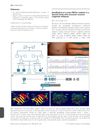
December 2013 in “British Journal of Dermatology” A new gene mutation linked to a skin condition was found in a Spanish family.
 September 2017 in “Journal of Investigative Dermatology”
 The research concluded that hyaluronic acid affects the formation and growth of hair follicle-like structures in a lab setting.