 28 citations
,
December 2017 in “Journal of Investigative Dermatology Symposium Proceedings”
28 citations
,
December 2017 in “Journal of Investigative Dermatology Symposium Proceedings” Tofacitinib shows promise for treating severe hair loss in adults and teens, with many experiencing regrowth, but hair loss returns when treatment stops.
 June 2024 in “American Journal of Biomedical Science & Research”
 TH07 effectively promotes hair regrowth in androgenic alopecia with high patient satisfaction and no major side effects.
July 2025 in “Journal of Investigative Dermatology” AI-09 is safe, effective, and reduces wrinkles for up to 6 months.
September 2023 in “Journal of the American Academy of Dermatology” 
More hair-loss studies are needed with standardized outcomes and diverse participants.
New treatments for hair loss, including a compound called "ALRV5XR", platelet-rich plasma, and Adult Stem Cell-based therapy, are showing promise, but more trials are needed for confirmation.
 1 citations
,
June 2017 in “Journal of The American Academy of Dermatology”
1 citations
,
June 2017 in “Journal of The American Academy of Dermatology” Topical treatment SM04554 safely promotes hair growth in male baldness.
May 2026 in “Acta Dermato Venereologica” Early treatment with JAK inhibitors leads to better hair regrowth in acute alopecia areata.
 April 2024 in “Clinical and experimental dermatology”
 Tofacitinib is effective for severe alopecia areata, similar to oral betamethasone.
 November 2025 in “SKIN The Journal of Cutaneous Medicine”
 Baricitinib significantly regrows hair in teens with severe alopecia areata.
 January 2026 in “http://isrctn.com/”
 The food supplement may help reduce hair shedding and improve hair growth.
October 2025 in “Figshare” Deuruxolitinib improves hair regrowth in alopecia areata but needs more safety research.
 March 2005 in “Journal of the American Academy of Dermatology”
 Bexarotene 1% topical gel helped some patients with alopecia areata regrow hair.
 January 2023 in “Journal of surgery and research”
 New treatment effectively reverses hair thinning in most patients with mild side effects.
 1 citations
,
September 2023 in “Dermatology and Therapy”
1 citations
,
September 2023 in “Dermatology and Therapy” Baricitinib helps improve hair growth in severe alopecia, with better results in less severe cases and higher doses working faster.
 25 citations
,
February 2014 in “British journal of dermatology/British journal of dermatology, Supplement”
25 citations
,
February 2014 in “British journal of dermatology/British journal of dermatology, Supplement” Intralesional triamcinolone acetonide can regrow hair in alopecia areata but often has temporary effects and side effects.
November 2025 in “Journal of Clinical Medicine” Baricitinib significantly improved hair regrowth and quality of life in severe alopecia areata patients.
 1 citations
,
October 2020 in “Journal of Investigative Dermatology Symposium Proceedings”
1 citations
,
October 2020 in “Journal of Investigative Dermatology Symposium Proceedings” The summit concluded that new treatments like Jak inhibitors show promise for Alopecia Areata and personalized approaches are needed.
12 citations
,
May 2010 in “Journal of Clinical Oncology” MK-5108 is safe and shows potential against tumors, especially alone.
May 2025 in “Journal of the European Academy of Dermatology and Venereology” Etrasimod is safe but not effective for severe alopecia areata, though it may help milder cases.
 November 2025 in “SKIN The Journal of Cutaneous Medicine”
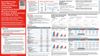
 Baricitinib works better in adolescents than adults for treating severe alopecia areata.
 November 2024 in “Journal of the European Academy of Dermatology and Venereology”
 Long-term baricitinib treatment can lead to significant scalp hair regrowth in patients initially showing only eyebrow or eyelash regrowth.
 3 citations
,
March 2016 in “Phytotherapy Research”
3 citations
,
March 2016 in “Phytotherapy Research” The new compound was more effective than finasteride in reducing markers of hair loss and prostate issues in cell tests.
 April 2024 in “Skin research and technology”
 Minoxidil with triamcinolone acetonide is more effective for mild alopecia areata when injected with microneedles than when applied topically.
October 2025 in “Figshare” Deuruxolitinib effectively treats alopecia areata but may cause manageable side effects.
 3 citations
,
May 2019 in “Cytotherapy”
3 citations
,
May 2019 in “Cytotherapy” ATIR101 improves survival in stem cell transplant patients; Australian stem cell treatment decisions are influenced by regulation changes.
9 citations
,
May 2014 in “Clinical Cosmetic and Investigational Dermatology” Using tazarotene with GliSODin improves facial skin more than tazarotene alone.
 January 2024 in “American journal of clinical dermatology”
 Ritlecitinib is safe and well-tolerated for treating alopecia areata in patients aged 12 and older.
April 2022 in “Journal of evolution of medical and dental sciences” Intralesional triamcinolone acetonide is more effective but has a higher relapse rate than platelet-rich plasma for treating alopecia areata.
 2 citations
,
July 2023 in “Journal of cosmetic dermatology”
2 citations
,
July 2023 in “Journal of cosmetic dermatology” JAK inhibitors are more effective and safer for treating alopecia areata than dupilumab and apremilast.