December 2020 in “American Journal of Transplantation” Early recognition and treatment of VATS in transplant patients improve outcomes.
47 citations
,
April 2000 in “Experimental Dermatology” A new gene mutation causes a rare type of hair loss.
10 citations
,
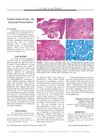
June 2019 in “Transplant infectious disease” The virus linked to a rare disease was found in a patient's blood and urine before skin symptoms appeared.
 8 citations
,
September 2016 in “The American Journal of Dermatopathology”
8 citations
,
September 2016 in “The American Journal of Dermatopathology” Enlarged sweat gland ducts may indicate scarring hair loss.
3 citations
,
November 2023 in “Pediatric Transplantation” Topical treatments and skin care improve transplant-related atopic dermatitis in children.
12 citations
,
June 2006 in “Pediatric blood & cancer” A 16-year-old boy had pernicious anemia, autoimmune hemolytic anemia, and later developed alopecia areata.
July 2024 in “LA CIENCIA AL SERVICIO DE LA SALUD Y NUTRICIÓN” The condition is harmless, doesn't worsen, and needs no invasive treatment.
 2 citations
,
June 2023 in “Journal of cell science”
2 citations
,
June 2023 in “Journal of cell science” Mutations in iRhom2 affect hair and skin in mice and are linked to esophageal cancer, with ADAM17 playing a crucial role.
 12 citations
,
February 2010 in “Journal of the European Academy of Dermatology and Venereology”
12 citations
,
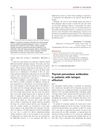
February 2010 in “Journal of the European Academy of Dermatology and Venereology” Some people with chronic hair loss may have thyroid autoimmunity.
1 citations
,
August 2025 in “JDDG Journal der Deutschen Dermatologischen Gesellschaft” People with alopecia areata may have a higher risk of thyroid diseases.
A new genetic mutation was found causing hair and eye issues in a boy.
12 citations
,
January 1999 in “Journal of Animal Science” Glucocorticoids and thyroid hormones together are essential for fetal fat development.
32 citations
,
August 2016 in “Science Signaling” Alopecia areata patients show unique protein activity patterns, suggesting imbalanced signaling pathways.
 218 citations
,
October 2013 in “Proceedings of the National Academy of Sciences of the United States of America”
218 citations
,
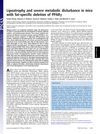
October 2013 in “Proceedings of the National Academy of Sciences of the United States of America” Mice lacking the PPARγ gene in their fat cells had almost no fat tissue, severe metabolic problems, and abnormal development of other fat-related tissues.
10 citations
,
April 2014 in “Molecular and Clinical Oncology” Alopecia areata can be an early sign of Hodgkin’s lymphoma and may improve with lymphoma treatment.
 8 citations
,
March 1942 in “Journal of Endocrinology”
8 citations
,
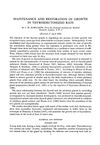
March 1942 in “Journal of Endocrinology” Thyroid hormone treatments help thyroidectomized rats grow normally.
November 2022 in “Chinese Journal of Dermatology” Allergies, especially dust mite allergy, may worsen alopecia areata, and desensitization could help reduce its severity.
1 citations
,
August 2023 in “Biomolecules” Certain immune-related proteins are higher in people with alopecia and their healthy relatives, hinting at a genetic link.
 June 2023 in “British journal of dermatology/British journal of dermatology, Supplement”
 A woman's rare hair loss condition improved on its own, suggesting this type might recover like common cases.
5 citations
,
July 1996 in “Journal of Cutaneous Medicine and Surgery” TTD patients don't have a higher skin cancer risk because their main issue is with transcription, not DNA repair.
 January 2025 in “TURKDERM”
 Alopecia areata incognito in children can be effectively treated with triamcinolone acetonide and supplements, leading to full hair regrowth.
January 2021 in “İzmir Dr.Behçet Uz çocuk hastanesi dergisi” Children with Alopecia Areata often have lower vitamin D and B12 levels and higher thyroid activity.
 2 citations
,
March 2017 in “TURKDERM”
2 citations
,
March 2017 in “TURKDERM” Skin and mucous membrane issues are common in kids after bone marrow transplants, so careful monitoring is crucial.
 4 citations
,
January 2018 in “International Journal of Trichology”
4 citations
,
January 2018 in “International Journal of Trichology” A rare genetic disease causes sparse hair and early blindness due to a gene mutation.
3 citations
,
January 2016 in “Revista Brasileira de Higiene e Sanidade Animal” Canine hypothyroidism often causes skin issues like hair loss.
1 citations
,
April 2016 in “Journal of Investigative Dermatology” Targeting specific T cells may help treat alopecia areata.
 January 2017 in “IMC Journal of Medical Science”
 A rare endocrine disorder, APS 1, was diagnosed in a 26-year-old man in Bangladesh.
 6 citations
,
July 2013 in “Archives of Plastic Surgery”
6 citations
,
July 2013 in “Archives of Plastic Surgery” Using thigh skin, doctors successfully rebuilt a woman's scalp after removing a large tumor, with no tumor return after 8 months.
5 citations
,
January 2015 in “Case reports in medicine” A baby was diagnosed with IFAP syndrome due to a new genetic mutation, showing severe skin and developmental issues.
1 citations
,
January 1986 in “PubMed” The boy's symptoms suggest a possible new medical condition.