46 citations
,
November 2007 in “Gene Expression Patterns” Trps1 plays a key role in hair follicle development and cycling.
2 citations
,
August 2023 in “Molecules” SH-340 may improve skin barrier and help treat atopic dermatitis.
13 citations
,
July 1994 in “PubMed” Keratins K6 and K16 are expressed more freely in regenerating mouse skin than K1 and K10.
 10 citations
,
March 2015 in “Journal of dermatology”
10 citations
,
March 2015 in “Journal of dermatology” The boy's severe skin disorder is caused by two new mutations in his TGM1 gene.

Newly designed proteins can effectively degrade specific proteins in cells, offering a promising alternative for targeted protein degradation.
 April 2016 in “Journal of Investigative Dermatology”
 Vitamin D can reduce skin inflammation caused by UV rays by enhancing cell "fitness" and skin repair.
11 citations
,
January 1992 in “PubMed” TGF-beta 1 and IGF-II mRNA have specific patterns in pig subcutaneous tissue, affecting fat and muscle development.
82 citations
,
January 2011 in “New Phytologist” VILLIN4 helps root hair growth by organizing actin with calcium.
37 citations
,
January 1993 in “Journal of Investigative Dermatology” 24 citations
,
December 2013 in “Archives of Dermatological Research” 22 citations
,
September 2000 in “Journal of Investigative Dermatology” μ-Crystallin may help hair growth by affecting thyroid hormone levels in mouse hair follicles.
January 2013 in “edoc (University of Basel)” TRF1 is crucial for creating and maintaining stem cells and marks both pluripotent and adult stem cells.
10 citations
,
November 2023 in “Science Immunology” Super-enhancers control CD25 expression in specific cell types, affecting immune function.
5 citations
,
July 1996 in “Journal of Cutaneous Medicine and Surgery” TTD patients don't have a higher skin cancer risk because their main issue is with transcription, not DNA repair.
 17 citations
,
April 2016 in “Journal of Investigative Dermatology”
17 citations
,
April 2016 in “Journal of Investigative Dermatology” KB2115 (eprotirome) can safely extend the hair growth phase without damaging cells or changing hair color.
5 citations
,
August 1983 in “PubMed” DNA virus-induced tumors have consistent isozyme profiles, unlike other tumor types.
 130 citations
,
November 2017 in “Frontiers in Immunology”
130 citations
,
November 2017 in “Frontiers in Immunology” The conclusion is that Treg-targeted therapies have potential, but more knowledge of Treg biology is needed for effective treatments, including for cancer.
 April 2021 in “Journal of Investigative Dermatology”
 People with atopic dermatitis have more CD4+ T cells that respond to a certain bacterial lipid, which may play a role in the skin condition's inflammation.
 1 citations
,
January 2023 in “In vivo/In Vivo”
1 citations
,
January 2023 in “In vivo/In Vivo” Box A of HMGB1 can improve stem cell function, aiding anti-aging therapy.
 October 2024 in “Journal of the Endocrine Society”
 Managing recurrent painless thyroiditis is challenging and should be personalized based on episode frequency, severity, symptoms, and patient preferences.
 December 2023 in “Journal of ethnopharmacology”
 Tribuloside can increase skin pigmentation by enhancing melanin production and distribution.
 178 citations
,
October 2001 in “Genes & Development”
178 citations
,
October 2001 in “Genes & Development” The mutated hairless gene causes hair loss by acting as a new type of corepressor affecting thyroid hormone receptors.
May 2017 in “The journal of immunology/The Journal of immunology” Patients with certain FoxN1 gene mutations have severe immune issues but normal skin and hair.
26 citations
,
April 2011 in “British Journal of Dermatology” New mutations in the DSG4 gene cause a rare hair condition.
32 citations
,
January 2000 in “International Journal of Cancer” Transglutaminase-3 is often reduced in esophageal cancer.
 July 2023 in “Journal of allergy and clinical Immunology. Global”
 A 10-month-old boy with a rare combination of genetic conditions has severe immune deficiency and treatment challenges.
75 citations
,
October 1999 in “Differentiation” Mouse keratin 6 isoforms have different expression patterns in various tissues.
March 2026 in “Virulence” Vimentin and keratin help viruses spread and could be targets for antiviral treatments.
28 citations
,
August 1992 in “Differentiation” A new pair of mouse keratins, 65 kD and 48 kD, are found in specific skin areas and are linked to a unique skin differentiation type.
 12 citations
,
February 2010 in “Journal of the European Academy of Dermatology and Venereology”
12 citations
,
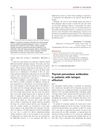
February 2010 in “Journal of the European Academy of Dermatology and Venereology” Some people with chronic hair loss may have thyroid autoimmunity.