February 2026 in “International Journal of Dermatology” Ritlecitinib shows promise in improving hair regrowth in adolescents with alopecia areata.
 130 citations
,
February 2018 in “Journal of Investigative Dermatology”
130 citations
,
February 2018 in “Journal of Investigative Dermatology” Tofacitinib may help treat severe hair loss, but more research is needed.
2 citations
,
October 2023 in “JDDG Journal der Deutschen Dermatologischen Gesellschaft” Dupilumab significantly improved a 5-year-old girl's prurigo nodularis without side effects.
2 citations
,
December 2024 in “eLife” JAK inhibition reduces autoimmune issues in Down syndrome.
Combining excimer lamp and tofacitinib gel may help treat hair loss in children.
August 2019 in “Journal of the American Academy of Dermatology” Tofacitinib may help hair regrowth in alopecia areata, but more research is needed.
Ritlecitinib can reduce inflammation and help hair regrow in Alopecia Areata.
 May 2023 in “International Journal of Trichology”
 Tofacitinib may be an effective and safe treatment for hair loss in teenagers with alopecia areata.
7 citations
,
January 2017 in “Dermatology Online Journal” TNF-inhibitor induced alopecia can be treated effectively with different therapies.
12 citations
,
July 2012 in “Journal of cutaneous medicine and surgery” Adalimumab was safe but mostly ineffective for severe alopecia areata.
 2 citations
,
April 2023 in “JEADV. Journal of the European Academy of Dermatology and Venereology/Journal of the European Academy of Dermatology and Venereology”
2 citations
,
April 2023 in “JEADV. Journal of the European Academy of Dermatology and Venereology/Journal of the European Academy of Dermatology and Venereology” JAK-inhibitors for alopecia areata are generally safe with mostly mild side effects and a low rate of treatment withdrawal.
2 citations
,
May 2025 in “Journal of Clinical Medicine” Upadacitinib is safe and effective for treating alopecia areata and atopic dermatitis in children.
 11 citations
,
November 2019 in “Clinical Case Reports”
11 citations
,
November 2019 in “Clinical Case Reports” A Brazilian teenager with severe hair loss had total hair regrowth with no side effects after using tofacitinib.
 July 2026 in “Preprints.org”
 Tirzepatide users experience more hair loss than semaglutide users.
 February 2026 in “Indian Journal of Dermatology”
 Upadacitinib may effectively treat twenty-nail dystrophy without causing pain.
 124 citations
,
October 2019 in “Frontiers in Immunology”
124 citations
,
October 2019 in “Frontiers in Immunology” Janus kinase inhibitors are promising treatments for autoimmune skin diseases like eczema and psoriasis.
 6 citations
,
November 2023 in “Clinical Pharmacokinetics”
6 citations
,
November 2023 in “Clinical Pharmacokinetics” Ritlecitinib shows promise as a versatile treatment for various autoimmune and inflammatory diseases.
June 2025 in “British Journal of Dermatology” Dual-targeting therapies like Janus kinase inhibitors may treat both alopecia areata and other immune diseases.
 11 citations
,
April 2015 in “EBioMedicine”
11 citations
,
April 2015 in “EBioMedicine” JAK inhibitors may help treat Alopecia Areata but need careful monitoring due to side effects.
12 citations
,
July 2023 in “Journal of the European Academy of Dermatology and Venereology” Upadacitinib improved Crohn's disease, atopic dermatitis, and alopecia areata in one patient.
49 citations
,
February 2022 in “Drug Design Development and Therapy” Ritlecitinib shows promise for hair regrowth in alopecia areata patients.
November 2024 in “SKIN The Journal of Cutaneous Medicine” Ritlecitinib effectively reduces severe hair loss in alopecia areata over 24 months.
December 2025 in “Skin Health and Disease” Dupilumab can cause rare hair loss, but switching treatments can restore hair and control eczema.
 February 2026 in “Oncology Reviews”
 Sacituzumab tirumotecan shows promise in treating breast cancer with manageable side effects.
 16 citations
,
January 2017 in “Acta dermatovenerologica Alpina, Pannonica et Adriatica (Tiskana izd.)”
16 citations
,
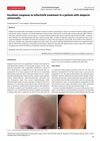
January 2017 in “Acta dermatovenerologica Alpina, Pannonica et Adriatica (Tiskana izd.)” A patient with complete hair loss regrew all her hair using tofacitinib.
 1 citations
,
October 2021 in “Deleted Journal”
1 citations
,
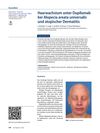
October 2021 in “Deleted Journal” Dupilumab can help regrow hair and improve skin conditions in patients with severe atopic dermatitis and alopecia areata.
Ritlecitinib improves hair regrowth in alopecia areata without increasing adverse risks.
1 citations
,
December 2025 in “Journal of the American Academy of Dermatology”  June 2024 in “Australasian Journal of Dermatology”
 Tofacitinib is safe and effective for treating moderate-to-severe alopecia areata.
Oral tofacitinib effectively treats alopecia areata long-term with manageable side effects.