 June 2020 in “Journal of Investigative Dermatology”
 Getting insurance to cover the hair loss treatment tofacitinib is hard because it's not officially approved for that use.
4 citations
,
July 2023 in “Nature Medicine” The FDA approved a new Pfizer drug for hair loss in teens.
 January 2014 in “IOSR journal of pharmacy”
 Adalimumab can cause complete hair loss in rare cases.
May 2026 in “Acta Dermato Venereologica” Early treatment with JAK inhibitors leads to better hair regrowth in acute alopecia areata.
July 2025 in “Journal of Investigative Dermatology” TRIV-509 quickly improves skin barrier and cell health in atopic dermatitis.
 2 citations
,
March 2023 in “Frontiers in medicine”
2 citations
,
March 2023 in “Frontiers in medicine” A 15-year-old boy's severe scalp condition improved significantly with adalimumab and baricitinib treatment.
2 citations
,
February 2025 in “Journal of the European Academy of Dermatology and Venereology” JAK inhibitors may effectively treat lichen planopilaris and frontal fibrosing alopecia with minimal side effects.
 2 citations
,
November 2023 in “Acta dermato-venereologica”
2 citations
,
November 2023 in “Acta dermato-venereologica” Tofacitinib is effective and safe for treating alopecia areata with a good drug survival rate.
 55 citations
,
October 2019 in “Dermatology and therapy”
55 citations
,
October 2019 in “Dermatology and therapy” Drugs targeting the JAK/STAT pathway can improve atopic dermatitis but vary in effectiveness for vitiligo and alopecia areata, with generally mild safety concerns.
9 citations
,
January 2013 in “Indian journal of dermatology, venereology, and leprology” Infliximab may cause hair loss in Crohn's disease patients.
51 citations
,
July 2003 in “Annals of the Rheumatic Diseases” Co-trimoxazole may help treat autoimmune diseases.
 1 citations
,
April 2017 in “Journal of Investigative Dermatology”
1 citations
,
April 2017 in “Journal of Investigative Dermatology” Tofacitinib may help regrow hair in severe alopecia areata, but results differ greatly between people.
2 citations
,
May 2025 in “Journal of the European Academy of Dermatology and Venereology” Ritlecitinib improves hair regrowth in alopecia areata over 24 months.
 July 2023 in “Skin Research and Technology”
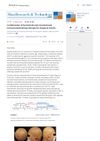
 Baricitinib combined with other immune therapies may safely and effectively treat severe scalp hair loss.
 2 citations
,
April 2022 in “Cutaneous and Ocular Toxicology”
2 citations
,
April 2022 in “Cutaneous and Ocular Toxicology” Tofacitinib may help treat hair loss in children with alopecia areata.
 January 2025 in “Journal of Cutaneous Immunology and Allergy”
 Baricitinib is effective for treating severe alopecia areata in Japanese patients, but long-term safety needs more study.
March 2026 in “Immunological Medicine” Janus kinase inhibitors help some people with severe alopecia areata regrow hair, but not everyone responds, and relapses can happen.
 November 2025 in “Clinical Cosmetic and Investigational Dermatology”
 Tofacitinib is effective and safe for treating severe alopecia areata.
 26 citations
,
March 2014 in “Rheumatology”
26 citations
,
March 2014 in “Rheumatology” Some drugs used to treat inflammation may cause hair loss.
 January 2016 in “The Australian Pharmacist”
 Tofacitinib might be used to treat hair loss.
39 citations
,
September 2015 in “Clinical Therapeutics” Teriflunomide effectively reduces relapse rates and disease progression in multiple sclerosis but is not safe for use during pregnancy.
 November 2025 in “Turkish Journal of Dermatology”
 Both baricitinib and tofacitinib effectively reduce alopecia areata severity, with tofacitinib showing more improvement over longer use.
 9 citations
,
June 2013 in “Australasian Journal of Dermatology”
9 citations
,
June 2013 in “Australasian Journal of Dermatology” Infliximab improved skin and bowel symptoms in Crohn's disease but caused side effects and the disease returned after stopping treatment.
 April 2023 in “Revista colombiana de reumatología”
 JAK inhibitors like tofacitinib can effectively treat severe alopecia areata.
 49 citations
,
August 2018 in “International Journal of Dermatology”
49 citations
,
August 2018 in “International Journal of Dermatology” Topical JAK inhibitors may help treat alopecia universalis by promoting hair regrowth.
1 citations
,
April 2023 in “Portuguese Journal of Dermatology and Venereology” JAK inhibitors are effective treatments for alopecia areata.
 May 2026 in “SHILAP Revista de lepidopterología”
 Dupilumab effectively treated severe alopecia areata in a child.
 June 2024 in “Archives of Medical Science”
 Telitacicept effectively improved hair regrowth in a woman with lupus and alopecia.
 2 citations
,
June 2019 in “Boletín médico del Hospital Infantil de México”
2 citations
,
June 2019 in “Boletín médico del Hospital Infantil de México” Tofacitinib treatment is used for teenagers with alopecia areata.
January 2026 in “Case Reports in Rheumatology” Rituximab improved her dermatomyositis better than usual treatments.