 January 2022 in “Figshare”
 Melatonin affects when and how certain genes work during the different stages of goat hair growth.
33 citations
,
July 2007 in “Journal of cell science” Miz1 is essential for proper hair structure and growth.
 123 citations
,
November 2012 in “Stem cells”
123 citations
,
November 2012 in “Stem cells” MicroRNA-302 helps improve the conversion of body cells into stem cells by blocking NR2F2.
2 citations
,
February 2022 in “bioRxiv (Cold Spring Harbor Laboratory)” Impaired LEF1 activation speeds up skin cell development in Hutchinson-Gilford Progeria Syndrome.
20 citations
,
January 2017 in “Experimental Dermatology” Igf1r helps regulate hair growth cycles.
 April 2024 in “Cellular signalling”
 Activating TRPMLs helps human cells important for hair growth and increases hair growth in mice.
 February 2022 in “Research Square (Research Square)”
 High TSPEAR levels in colorectal cancer predict worse outcomes.
January 2023 in “Indian Dermatology Online Journal” A 23-year-old man has a benign, non-progressive hair loss patch that doesn't respond to treatment but can be cosmetically treated.
3 citations
,
January 2022 in “Burns & Trauma” CTHRC1 helps sweat glands recover by rebuilding nearby blood vessels.
42 citations
,
July 2017 in “Molecular therapy” A form of vitamin E promotes hair growth by activating a specific skin pathway.
1 citations
,
April 2007 in “PubMed” Tacrolimus helps mice grow hair by activating hair follicles.
 April 2023 in “Cancer research”
 KRTAP2-3 could help predict cancer recurrence by identifying specific cancer cells.
1 citations
,
May 2012 in “International Conference on Biomedical Engineering and Biotechnology” TGF-β receptor 1 helps deer antlers grow by aiding skin and cartilage cell growth.
Retinoids can help treat skin pigmentation disorders by affecting melanin production.
17 citations
,
May 2013 in “Journal of Investigative Dermatology” Mutations in β1 integrins cause embryonic death but have milder effects on skin.
14 citations
,
August 2014 in “The FASEB Journal” CAP1/Prss8 does not activate PAR2 or inhibit PN-1.
1 citations
,
July 2024 in “Journal of Investigative Dermatology” TAK-279 effectively reduces psoriasis symptoms and is safe.
 September 2019 in “The journal of investigative dermatology/Journal of investigative dermatology”
 Tet1/2/3 enzymes affect hair follicle cell development by influencing BMP signaling.
20 citations
,
March 2014 in “Molecular Endocrinology” NFIB and STAT5 work together to control specific genetic programs in cells.
 August 1994 in “Molecular Endocrinology”
 Changing protein kinase levels in pituitary cells affects calcium flow and beta-endorphin release.
20 citations
,
August 2020 in “Stem Cell Research & Therapy” miR-150 helps blood vessel cells develop and speeds up blood clot healing.
124 citations
,
April 2000 in “Nature biotechnology” 86 citations
,
August 2000 in “Pigment cell research” Melanocyte activity in hair follicles is linked to the hair growth cycle, being active in growth phases and inactive in rest phases.
 January 2022 in “Figshare”
 Melatonin affects when and how goat hair follicle genes turn on and off during growth cycles.
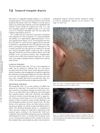 April 2012 in “Informa Healthcare eBooks”
 Temporal triangular alopecia is a lifelong condition with hairless patches on the side of the head that may be present from birth.
 January 2022 in “Figshare”
 Melatonin affects when and how goat hair follicle genes turn on and off during growth cycles.
20 citations
,
October 1995 in “Biochimica et Biophysica Acta (BBA) - Gene Structure and Expression” hHb1, hHb3, and hHb6 mRNAs start expressing at the same time in hair follicles.
 September 2025 in “Frontiers in Medicine”
 Angiopoietin-1 helps hair cells survive and grow, making it a potential treatment for hair loss.
1 citations
,
April 1998 in “PubMed” Nexin 1 helps control hair growth in young rats.
Retinoids or their analogs could treat skin pigmentation disorders like melasma and vitiligo.