 19 citations
,
September 2011 in “Journal of Dermatological Science”
19 citations
,
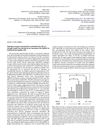
September 2011 in “Journal of Dermatological Science” TGF-β1 increases androgen receptor activity in hair loss, but Hic-5/ARA55 can counter this effect.
 January 2022 in “Figshare”
 Melatonin affects when and how certain genes work during the growth of goat hair follicles.
June 1999 in “Connective tissue” Arabidopsis Formin 2 stabilizes actin filaments to aid cell-to-cell trafficking.
1 citations
,
April 2025 in “BMC Veterinary Research” PSAT1 is key for hair growth and stem cell function in cashmere goats.
188 citations
,
June 1998 in “Molecular cell” Researchers created a mouse with the same mutation as humans with trichothiodystrophy, showing similar symptoms and confirming the condition is due to defects in DNA repair and gene activity.
 November 2022 in “The journal of investigative dermatology/Journal of investigative dermatology”
 YAP1 is important for skin regeneration and may affect skin disorder treatments.
 56 citations
,
February 2010 in “PLOS ONE”
56 citations
,
February 2010 in “PLOS ONE” Blocking Wnt signaling in young mice causes thymus shrinkage and cell loss, but recovery is possible when the block is removed.
April 2026 in “Human Genome Variation” Long-read RNA sequencing can identify complex gene changes in IFAP syndrome.
 39 citations
,
August 2018 in “Scientific reports”
39 citations
,
August 2018 in “Scientific reports” Claudin-1 is important for the barrier function and growth of hair.
49 citations
,
May 1974 in “Biochimica et Biophysica Acta (BBA) - Protein Structure” Transamidases are present in the epidermis but their exact role is unclear.
March 2026 in “Bioengineering & Translational Medicine” PEGylated thymosin β4 shows promise for treating heart attacks effectively.
3 citations
,
July 2015 in “Biotechnic & histochemistry” Bim and Puma proteins are found in developing mouse hair follicles and are involved in more than just cell death.
33 citations
,
May 2017 in “Journal of Clinical Oncology” ETC-159 was safe up to 30 mg, but no tumor shrinkage was seen.
 April 2017 in “Journal of Investigative Dermatology”
 The BMP/Smads pathway and Id2 gene control hair follicle stem cells, affecting their rest and growth phases.
 3 citations
,
April 2014 in “Journal of Dietary Supplements”
3 citations
,
April 2014 in “Journal of Dietary Supplements” CARI ONE helps start hair growth and makes hair follicles bigger and more numerous.
July 2025 in “Journal of Investigative Dermatology” 14 citations
,
April 2016 in “PloS one” The KRTAP11-1 gene promoter is crucial for specific expression in sheep wool cortex.
TLR2 is crucial for hair growth and regeneration, and boosting it can help prevent hair loss.
 May 1995 in “Journal of Investigative Dermatology”
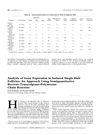
 Researchers developed a new way to measure gene activity in single hair follicles and found that a specific gene's activity changes with different amounts and times of treatment.
 6 citations
,
January 2020 in “Czech Journal of Animal Science”
6 citations
,
January 2020 in “Czech Journal of Animal Science” The FAT1 gene and its variations can help improve wool quality in Chinese Merino sheep through selective breeding.
9 citations
,
July 2007 in “Journal of Investigative Dermatology” Claudin expression changes help the skin respond to injury.
 50 citations
,
September 2014 in “Stem cell reports”
50 citations
,
September 2014 in “Stem cell reports” BLIMP1 is essential for skin maintenance but not for defining sebaceous gland progenitors.
 January 2024 in “Wiadomości Lekarskie”
 The ABI1 gene contributes to prostate cancer progression and treatment resistance.
38 citations
,
January 2014 in “Journal of Dermatological Science” Krtap11-1 is important for hair strength and structure.
 April 2023 in “The journal of investigative dermatology/Journal of investigative dermatology”
 SETDB1 is essential for controlling DNA methylation, silencing retrotransposons, and maintaining skin cell health, with its absence leading to skin inflammation and hair loss.
 January 2022 in “Figshare”
 Melatonin affects when and how certain genes work during the different stages of hair growth in goats.
3 citations
,
April 1997 in “Developmental Dynamics” Trypsin slows hair growth and affects color by causing cell death in hair follicles.
 169 citations
,
May 2006 in “Genes & Development”
169 citations
,
May 2006 in “Genes & Development” Keratin 17 is crucial for normal hair growth by regulating hair cycle transitions with TNFα.
 237 citations
,
February 2016 in “Science Translational Medicine”
237 citations
,
February 2016 in “Science Translational Medicine” The timing of when the gene Bmal1 is active affects aging and survival, with its absence during development, not adulthood, leading to premature aging.