March 1957 in “Archives of Dermatology” The treatments tried did not work for her alopecia areata.
72 citations
,
July 1984 in “Journal of Investigative Dermatology”  June 2017 in “Journal of the American Academy of Dermatology”
 Tofacitinib is effective and safe for treating severe alopecia areata and related conditions.
7 citations
,
September 2021 in “Antimicrobial Agents and Chemotherapy” Olorofim effectively treats fungal skin infections.
1 citations
,
January 1987 in “PubMed” Candida was found in most heroin users with folliculitis.
7 citations
,
August 2019 in “American Journal of Dermatopathology” Frontal fibrosing alopecia on limbs shows permanent inflammatory hair loss, not typical scarring.
2 citations
,
October 1974 in “Archives of Dermatology” The woman's skin condition persisted for 20 years despite treatments.
January 2024 in “Biomedicines” The review shows that skin symptoms like chronic fungal infections, hair loss, and skin depigmentation are key for early detection and management of APECED.
May 2025 in “OPAL (Open@LaTrobe) (La Trobe University)” Targeting specific metabolic and ionic pathways may improve alopecia areata treatment.
 July 2023 in “Skin Research and Technology”
 Baricitinib combined with other immune therapies may safely and effectively treat severe scalp hair loss.
 July 2022 in “JEADV Clinical Practice”
 The document concludes that different types of permanent hair loss conditions are related and early treatment is key to preventing further damage.
4 citations
,
October 2023 in “Case Reports in Dermatology” Majocchi’s granuloma should be considered when rashes don't improve with typical treatments.
January 2024 in “Revista del Centro Dermatológico Pascua” Avoiding damage and using specific shampoo and supplements improved the hair condition.
 October 2025 in “International Journal of Risk & Safety in Medicine”
 Oral tofacitinib successfully treated a girl's severe skin and hair conditions.
 April 2016 in “Journal of The American Academy of Dermatology”
 The study found that Temporal Triangular Alopecia often starts in early childhood, mainly affects the left side of the scalp, and has no effective treatment except surgery.
August 2025 in “Skin Appendage Disorders” TCM is an effective and safe treatment for primary cicatricial alopecias.
 8 citations
,
September 2011 in “European Journal of Dermatology”
8 citations
,
September 2011 in “European Journal of Dermatology” Most treatments for Frontal Fibrosing Alopecia are ineffective, but early anti-inflammatory therapy may help and the condition may stabilize over time.
 March 2014 in “Journal of The American Academy of Dermatology”
 Azathioprine may be an effective treatment for severe hair loss.
1 citations
,
April 2017 in “JURNAL ILMU KEFARMASIAN INDONESIA” Pandan Wangi leaves and Noni fruit extracts can help fight dandruff-causing fungi.
December 2025 in “Mycoses” The study developed a successful mouse model to study skin infections, highlighting the importance of choosing the right fungal strains.
 4 citations
,
November 2012 in “Dermatitis”
4 citations
,
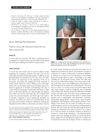
November 2012 in “Dermatitis” A man got severe skin irritation after using marking nut sap for hair loss.
February 2022 in “Brazilian Journal of Health Review” Most cases were lichen planus pigmentosus, highlighting the need for accurate diagnosis for proper treatment.
 5 citations
,
August 2018 in “PubMed”
5 citations
,
August 2018 in “PubMed” An 8-year-old with severe hair loss regrew all hair after six months of tofacitinib treatment.
 May 2025 in “Baghdad Journal of Biochemistry and Applied Biological Sciences”
 Adiantum capillus-veneris has many health benefits, including fighting bacteria, reducing inflammation, and helping with hair loss and infections.
September 2025 in “Brazilian Journal of Health Review” Early diagnosis and less aggressive hair care improve outcomes for Black women with frontal fibrosing alopecia.
 36 citations
,
December 2017 in “Journal of the American Academy of Dermatology”
36 citations
,
December 2017 in “Journal of the American Academy of Dermatology” Most patients with frontal fibrosing alopecia stabilized with treatment, especially younger ones, using intralesional corticosteroids and tacrolimus.
 9 citations
,
April 1987 in “International Journal of Dermatology”
9 citations
,
April 1987 in “International Journal of Dermatology” Stopping the depression medication improved the woman's eyebrow hair loss, and a treatment for a skin condition caused by mites was effective.
April 2021 in “Aktuelle Dermatologie” Frontal Fibrosing Alopecia is a type of hair loss that mainly affects postmenopausal women, has unclear causes, and lacks evidence-based treatments.
1 citations
,
December 2025 in “Journal of the American Academy of Dermatology” September 2010 in “Reactions weekly” The combination of tretinoin, minoxidil, and betamethasone valerate may cause severe scalp inflammation.