1 citations
,
November 2025 in “American Journal of Clinical Dermatology” Ritlecitinib is generally safe for long-term use in treating alopecia areata.
 5 citations
,
January 2018
5 citations
,
January 2018 The conclusion is that a new test was created to find substances that affect specific ion channels, and it works well for drug discovery.
 32 citations
,
April 2006 in “The Journal of Urology”
32 citations
,
April 2006 in “The Journal of Urology” Using finasteride with TIP extends time off period for prostate cancer patients.
 11 citations
,
February 2021 in “Journal of Cosmetic Dermatology”
11 citations
,
February 2021 in “Journal of Cosmetic Dermatology” Oral tofacitinib helped regrow hair in over half of the patients with severe alopecia, but relapses and side effects were common.
 October 2025 in “International Journal of Risk & Safety in Medicine”
 Oral tofacitinib successfully treated a girl's severe skin and hair conditions.
18 citations
,
August 2012 in “Chinese journal of integrative medicine/Chinese Journal of Integrative Medicine” Both treatments for alopecia areata are equally effective and safe.
 June 2024 in “Archives of Medical Science”
 Telitacicept effectively improved hair regrowth in a woman with lupus and alopecia.
 1 citations
,
April 2017 in “Journal of Investigative Dermatology”
1 citations
,
April 2017 in “Journal of Investigative Dermatology” Tofacitinib may help regrow hair in severe alopecia areata, but results differ greatly between people.
 March 2026 in “Preprints.org”
 Plerixafor may help treat pigmentation disorders by promoting skin repigmentation.
 65 citations
,
February 2015 in “Neuro-Oncology”
65 citations
,
February 2015 in “Neuro-Oncology” Alisertib was found to be an effective and tolerable treatment for children with recurrent brain tumors.
July 2023 in “SKIN The Journal of Cutaneous Medicine” Continued ritlecitinib treatment can improve hair regrowth in some alopecia areata patients who initially don't respond.
June 2026 in “British Journal of Dermatology” Ritlecitinib is effective and safe for treating alopecia areata, especially in newer cases.
1 citations
,
May 2025 in “Journal of the European Academy of Dermatology and Venereology” Ritlecitinib and baricitinib are effective for alopecia areata, but more research is needed to determine which is better.
Tofacitinib significantly improved symptoms in a patient with overlapping autoimmune disorders.
44 citations
,
May 2023 in “MedComm” PROTAC technology shows promise for cancer treatment but needs more effective E3 ligase recruiters.
 2 citations
,
April 2024 in “Dermatology Practical & Conceptual”
2 citations
,
April 2024 in “Dermatology Practical & Conceptual” Tofacitinib and baricitinib are effective and safe for treating severe alopecia areata, especially in younger people.
April 2026 in “Clinical and Translational Science” Tofacitinib effectively treats severe alopecia areata, improving hair regrowth and patient satisfaction.
10 citations
,
August 2019 in “European Journal of Dermatology” The document did not conclude on apremilast's effectiveness for severe alopecia areata.
7 citations
,
August 2024 in “Clinical and Experimental Dermatology” Upadacitinib is effective and safe for treating severe alopecia areata in teens.
September 2023 in “Journal of the American Academy of Dermatology” Risankizumab effectively treats and maintains skin clearance in moderate-to-severe psoriasis.
December 2025 in “Skin Appendage Disorders” Topical cetirizine may help increase hair count in androgenetic alopecia.
 41 citations
,
December 2015 in “JAMA Dermatology”
41 citations
,
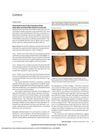
December 2015 in “JAMA Dermatology” Tofacitinib citrate improved nail dystrophy and pain in patients with alopecia universalis without causing side effects.
May 2026 in “Dermatology and Therapy” Ritlecitinib improves hair growth and quality of life in severe alopecia areata with longer use.
 36 citations
,
June 2014 in “Experimental Neurology”
36 citations
,
June 2014 in “Experimental Neurology” Teriflunomide is an effective and generally safe oral treatment for relapsing MS, reducing relapses and slowing disability progression.
8 citations
,
August 2018 in “BMJ Case Reports” Pazopanib treatment caused rapid hair color loss, possibly indicating its effectiveness.
 January 2024 in “Wiadomości Lekarskie”
 Pemigatinib may be effective for treating ZMYM2::FGFR1 fusion-positive leukemia.
April 2013 in “The FASEB Journal” Dutasteride showed some prevention of prostate issues but also had limitations, especially with high-grade tumors.
2 citations
,
January 2023 in “Anais Brasileiros de Dermatologia” 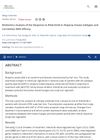
Ritlecitinib helps reduce inflammation and promote hair regrowth in alopecia areata, especially in patchy-type cases.
7 citations
,
October 2024 in “Journal of the American Academy of Dermatology” Continued ritlecitinib treatment helps sustain hair regrowth in alopecia areata patients.