Search
for
Sort by
Research
660-690 / 1000+ results 
research 198 Dutasteride for men with androgenic alopecia unresponsive to finasteride
research Integrated multiple machine learning and Mendelian randomization reveal LTF gene as a prognostic biomarker for nonspecific orbital inflammation
The LTF gene may help predict and manage nonspecific orbital inflammation.
research Phase separation: a new window in RALF signaling
LLPS is crucial for RALF signaling, aiding plant growth and stress resilience.

research 751 Thymic stromal lymphopoeitin controls hair growth
Thymic stromal lymphopoietin (TSLP) promotes hair growth by stimulating specific skin cells.
research An LRH-RSL4 feedback regulatory loop controls the determinate growth of root hairs in Arabidopsis
A feedback loop between LRH and RSL4 controls root hair growth in Arabidopsis.
research Low-Level Laser Therapy (LLLT) in Wound Healing
Low-Level Laser Therapy helps heal wounds and regenerate tissue when used correctly.

research Tcf3 promotes cell migration and wound repair through regulation of lipocalin 2
Tcf3 helps cells move and heal wounds by controlling lipocalin 2.
research Part 2: LLLT Devices, Medical Device Regulation, and Impact on Development
Strict regulations may slow down new LLLT treatments.

research scRNA+TCR-seq Reveals the Proportion and Characteristics of Dual TCR Treg Cells in Mouse Lymphoid and Non-lymphoid Tissues
Dual TCR Treg cells are common in various mouse tissues and show diverse characteristics.
research LIGA R and D and prototyping[Lithography, Electroforming, and Assembly]
research Discover the True Science of Multispecialty Light-Emitting Diode Low Level Light Therapy (LED-LLLT)
LED-LLLT helps heal wounds, reduce pain, and regrow hair using specific light wavelengths.

research The 532 Nm Laser Treatment Promotes the Proliferation of Tendon- Derived Stem Cells and Up-Regulates Nr4a1 to Stimulate Tenogenic Differentiation
A 532 nm laser at 15 J/cm2 speeds up tendon healing by increasing tendon stem cell growth and tendon-related gene activity.

research The Science of Light Biostimulation and Low Level Laser Therapy (LLLT)
Low Level Laser Therapy can promote hair growth.
research 078 The transmembrane protein LRIG1 regulates receptor tyrosine kinases in skin development and homeostasis
LRIG1 protein affects hair growth by regulating skin receptors, leading to hair loss when overexpressed.
research Human T‐lymphotropic virus 1 (HTLV‐1)‐associated lichenoid dermatitis induced by CD8+ T cells in HTLV‐1 carrier, HTLV‐1‐associated myelopathy/tropical spastic paraparesis and adult T‐cell leukemia/lymphoma
HTLV-1-associated lichenoid dermatitis (HALD) is linked to an immune response against HTLV-1-infected cells.

research METTL1-mediated m7G tRNA modification drives papillary thyroid cancer progression and metastasis by regulating the codon-specific translation of TNF-α
Targeting METTL1 may help slow papillary thyroid cancer growth and spread.
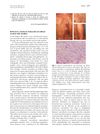
research Refractory cutaneous lichenoid sarcoidosis treated with tranilast
Tranilast successfully treated a man's skin sarcoidosis when other treatments failed.

research Low Level Laser and Light Therapy
Low-Level Laser Therapy can stimulate healing and cell function, potentially leading to wider medical use.
research Author response: IL18 signaling promotes homing of mature Tregs into the thymus
IL-18 signaling helps mature Tregs move into the thymus.
research Low-Level Light Therapy for Cosmetics and Dermatology
Low-level light therapy is used in cosmetics and dermatology to repair skin, reduce inflammation, and treat various skin conditions.
research Reply to: The use of low-level light for hair growth: Part I
The letter criticizes a study's methods and small size, suggesting larger, better-designed research would show low-level light therapy effectively grows hair.
research Decision letter: IL18 signaling promotes homing of mature Tregs into the thymus
IL-18 signaling helps mature Tregs move into the thymus.

research scRNA+TCR-seq Reveals the Proportion and Characteristics of Dual TCR Treg Cells in Mouse Lymphoid and Non-lymphoid Tissues
Dual TCR Treg cells are common in mouse tissues and vary by location.
research GTL1 is required for a robust root hair growth response to avoid nutrient overloading
GTL1 is needed to control root hair growth and prevent problems when there are too many nutrients.

research RSL4 regulatory network acts as an early driver of root hair growth at low temperature in Arabidopsis thaliana
A gene network led by RSL4 is crucial for early root hair growth in response to cold in Arabidopsis thaliana.
research Trichothiodystrophy

research Itpr3 Is Responsible for the Mouse Tufted (tf) Locus
The Itpr3 gene causes a specific hair pattern in mice.
research Thymic stromal lymphopoietin controls hair growth
Thymic stromal lymphopoietin (TSLP) promotes hair growth, especially after skin injury.

research Exosomes mediate sensory hair cell protection in the inner ear
Exosomes are crucial for protecting sensory hair cells in the inner ear.