 1 citations
,
March 2019 in “Actas Dermo-Sifiliográficas”
1 citations
,
March 2019 in “Actas Dermo-Sifiliográficas” New cancer treatments are less harmful to hair but can still cause hair loss, color, shape, and growth changes.
 July 2026 in “Frontiers in Immunology”
 Targeting protein lactylation may improve skin disease treatments.
 April 2026 in “Biomedical Research and Therapy”
 CYB5R1 and IL1A genes may be linked to different types of acne scars.
 April 2026 in “Signal Transduction and Targeted Therapy”
 Balancing testosterone may reduce COVID-19 severity.

Deucravacitinib improves symptoms and reduces inflammation in Lichen Planopilaris.

Ca²⁺-mediated protein citrullination controls cell growth in the CNS and may help treat brain tumors.
 January 2026 in “Forum Dermatologicum”
 JAK inhibitors and combination therapies show promise for treating severe alopecia areata.
 December 2025 in “IP Indian Journal of Clinical and Experimental Dermatology”
 Androgenetic alopecia treatments are becoming more personalized and include new therapies like topical antiandrogens and regenerative strategies.

Plakophilin 1 helps control skin cell immune responses to prevent excessive inflammation.
 December 2025 in “Scientific Reports”
 Valproic acid helps hair follicle stem cells survive better in low oxygen and glucose conditions.
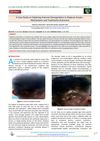 July 2025 in “International Journal of Pharmaceutical Sciences Review and Research”
 Individualized treatment and psychological support improved the patient's quality of life and appearance despite medication side effects.
 January 2025 in “Universidad de Córdoba Insitutional Repository (Universidad de Córdoba)”
 An imbalanced scalp microbiome may worsen alopecia areata severity and inflammation, but treatment can partially restore balance.
 October 2024 in “Journal of Education Health and Sport”
 Alopecia areata treatment should be personalized, using topical or systemic therapies based on severity, with promising options like JAK inhibitors needing more research.
 August 2024 in “Journal of Animal Science and Technology”
 Angora goat hair growth is influenced by gene expression, sex hormones, and breed differences.
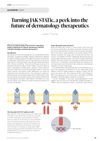 August 2024 in “New Zealand Medical Student Journal”
 JAK inhibitors show promise for treating skin diseases effectively and safely.
 April 2024 in “Journal of translational medicine”
 MJ04, a new compound, effectively promotes hair growth and is a potential topical treatment for hair loss.
 March 2024 in “Vestnik Rossijskogo universiteta družby narodov. Seriâ Agronomiâ i životnovodstvo”
 Wnt and Shh signaling are key in noggin-induced tumors, and blocking them can slow tumor growth.
 March 2024 in “Clinical, cosmetic and investigational dermatology”
 Tofacitinib successfully treated vitiligo in a patient with lupus without side effects.
 January 2023 in “Indian Dermatology Online Journal”
 No single ideal JAK inhibitor for alopecia areata has been determined; JAK3 inhibitors may be promising with fewer side effects.
Alopecia Areata has no cure, treatments are limited, and the condition often recurs, but new therapies like JAK inhibitors show promise.
 February 2021 in “Journal of pharmaceutical and biological sciences”
 No cure exists for alopecia areata, and treatments are personalized.
Alopecia Areata is treated with drugs and therapies to reduce inflammation and immune response.
 January 2018 in “Springer eBooks”
 Cancer treatments targeting specific cells often cause skin, hair, and nail problems, affecting patients' lives and requiring careful management.
March 2017 in “Current dermatology reports” Topical JAK inhibitors can effectively treat alopecia areata and vitiligo by modulating immune responses.
 April 2016 in “Annals of laboratory medicine”
 The method reliably profiles eicosanoids and shows epitestosterone reduces their levels, similar to common anti-inflammatory drugs.
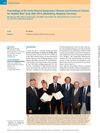 September 2014 in “Aktuelle Dermatologie”
 The symposium concluded that environmental factors significantly contribute to skin aging.
 January 2014 in “Durham e-Theses (Durham University)”
 Notch1 helps skin heal by attracting cells that aid repair.
 March 2010 in “Anti-inflammatory & anti-allergy agents in medicinal chemistry”
 Biologic agents can be effective for rheumatic diseases but have risks like infections and require careful monitoring and patient information.

Menopause-related skin changes may increase fungal infections and inflammation.
 January 2025 in “Open Life Sciences”
 Overexpression of the HE4 gene in mice causes eye inflammation and cloudiness.