 5 citations
,
August 2018 in “PubMed”
5 citations
,
August 2018 in “PubMed” An 8-year-old with severe hair loss regrew all hair after six months of tofacitinib treatment.
February 2018 in “The American Journal of Gastroenterology” High-dose iron therapy improves anemia without affecting IBD treatment.
research Coda
November 2018 in “Princeton University Press eBooks” Vitamin C deficiency harms both the body and brain, affecting behavior.
 54 citations
,
September 2019 in “Journal of the European Academy of Dermatology and Venereology”
54 citations
,
September 2019 in “Journal of the European Academy of Dermatology and Venereology” Tofacitinib is somewhat effective for alopecia areata, but more research is needed on its safety and long-term effects.
4 citations
,
March 2020 in “JAAD Case Reports” Vitamin B12 deficiency can cause darkening of all nails.
 18 citations
,
June 1998 in “Circulation”
18 citations
,
June 1998 in “Circulation” Mild essential fatty acid deficiency can cause health issues and is worsened by low-fat diets.
2 citations
,
February 1945 in “Archives of Dermatology and Syphilology” Alopecia in the woman was likely caused by vitamin A deficiency, not a fungal infection.
1 citations
,
November 2024 in “AME Medical Journal” Vitamin C deficiency can persist in high-risk patients despite supplementation.
September 2015 in “Photodiagnosis and Photodynamic Therapy” October 2021 in “Utah State Research and Scholarship (Utah State University)” Folic acid deficiency worsens rotaviral infection, while zinc deficiency affects physical health but not the infection.
 13 citations
,
November 2021 in “Pediatric Dermatology”
13 citations
,
November 2021 in “Pediatric Dermatology” Tofacitinib taken by mouth helps treat hair loss in children.
 2 citations
,
March 2023 in “3C Empresa Investigación y pensamiento crítico”
2 citations
,
March 2023 in “3C Empresa Investigación y pensamiento crítico” Alopecia areata patients have higher IFN-γ and low vitamin D3 levels.
 August 2025 in “Annals of Medicine”
 Mycophenolate mofetil may safely help restore skin color in depigmentation conditions.
January 1995 in “Revista de arqueología” 1 alpha,25-dihydroxy-vitamin D3 and calcipotriol speed up cell differentiation in hair follicles.
 1 citations
,
January 2023 in “Research Square (Research Square)”
1 citations
,
January 2023 in “Research Square (Research Square)” A woman's vitiligo improved with tofacitinib treatment, and her skin color remained even after stopping the medication, but there are concerns about cancer risk.
 41 citations
,
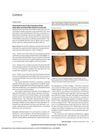
December 2015 in “JAMA Dermatology”
41 citations
,
December 2015 in “JAMA Dermatology” Tofacitinib citrate improved nail dystrophy and pain in patients with alopecia universalis without causing side effects.
 January 2017 in “Journal of clinical & experimental dermatology research”
 Low ferritin levels might be linked to telogen effluvium, but vitamin D levels are not.
18 citations
,
January 1988 in “Acta oncologica” Retinol palmitate may reduce cancer relapses in early-stage lung cancer patients.
7 citations
,
January 2001 in “PubMed” Vitamin B6 reduced hair loss in women with diffuse alopecia, but calcium pantothenate had no clear positive effect.
9 citations
,
October 1947 in “The Lancet” 1 citations
,
November 1947 in “The Lancet”  September 2022 in “XXXIX Congresso Brasileiro de Reumatologia”
 Tofacitinib may effectively treat skin symptoms in difficult cases of dermatomyositis.
 November 2025 in “Mendeley Data”
 Standard dosing is more effective for severe alopecia areata in children, but unorthodox dosing can be safe and considered if needed.
 June 2025 in “International Journal of Science and Research (IJSR)”
 Low iron and vitamin D are common in young females with hair loss.
February 1994 in “Neuroscience letters” People need different amounts of biotin based on age and it's important for health, with many foods providing enough.
Low vitamin C caused bleeding and corkscrew hair, resolved with vitamin C treatment.
 January 2025 in “International Journal of Dermatology”
 Tofacitinib improved hair and nail conditions in a teen with alopecia areata.
39 citations
,
January 2017 in “Dermatologic Therapy” Topical calcipotriol may help treat alopecia areata, especially in those with low vitamin D.
 January 2023 in “Voennaâ medicina”
 Hair loss in women can improve with iron and vitamin supplements if caused by iron deficiency.
 May 2025 in “Journal of Pharmacy And Bioallied Sciences”
 Tofacitinib effectively promotes hair regrowth in children with alopecia areata, but more research on long-term safety is needed.