 September 2025 in “Tạp chí Da liễu học Việt Nam”
 2.5 mg/mL TAC is as effective and safe as 5 mg/mL, but 5 mg/mL may improve hair regrowth and density more.
1 citations
,
July 2021 in “Current nanomedicine” The new gel formulation for Acitretin improves topical delivery and reduces oral toxicity.
 March 2026 in “Clinical Cosmetic and Investigational Dermatology”
 The combination therapy is safe and more effective for treating pediatric facial and cervical vitiligo.
April 2026 in “Trends in Sciences” Acanthus ebracteatus extract in a microemulsion can promote hair growth and is stable for use as a hair tonic.
Thymosin β4 helps with healing, inflammation, and organ protection.
September 2019 in “Journal of Investigative Dermatology” PCE-DP brightens skin and promotes hair growth by enhancing cell growth and reducing melanin uptake.
 September 2024 in “Journal of Cosmetic Dermatology”
 Ectoin helps prevent cortisone-induced skin problems and supports skin health.
 October 2024 in “Asian Journal of Pharmaceutical and Clinical Research”
 Topical methotrexate is more effective and as safe as betamethasone for treating alopecia areata.
2 citations
,
September 2018 in “Walailak Journal of Science and Technology (WJST)” Thuja orientalis fruits have more antioxidants and could benefit the pharmaceutical industry.
1 citations
,
August 2024 in “Journal of Cosmetic and Laser Therapy” Intralesional vitamin D3 is an effective and safe treatment for patchy alopecia areata with fewer side effects.
 July 1989 in “British Journal of Dermatology”
 Long-term use of canthaxanthin may cause reversible changes in the eye, including crystal deposits and altered vision responses.
 October 2023 in “Benha Journal of Applied Sciences”
 Methotrexate and vitamin D3 are potentially more effective and safer than triamcinolone for treating localized alopecia areata.
1 citations
,
September 2025 in “Molecules” The conventional extraction method with 50% ethanol was the most effective for antioxidant activity.
1 citations
,
April 2015 in “The FASEB journal” UVB exposure increases skin proteins for retinoic acid synthesis and shifts their location, possibly affecting skin repair.
June 2023 in “University of Thi-Qar Journal of Science” Retinoids effectively treat skin aging but have safety and stability issues.
5 citations
,
May 2017 in “Journal of dermatological science” The combined treatment effectively managed severe skin issues in Olmsted syndrome.
31 citations
,
January 2014 in “The Scientific World JOURNAL” Eclipta prostrata extract protects skin cells from UVB damage and has strong antioxidant properties.
1 citations
,
November 2023 in “Acta Dermato Venereologica” September 2023 in “Journal of the American Academy of Dermatology” CTP-543 is generally safe for treating alopecia areata.
4 citations
,
January 2025 in “Pharmaceutics” The gel is a safe and effective treatment for hyperpigmentation.
23 citations
,
January 1964 in “Archives of Dermatology” Treatment with vitamin A did not improve the child's skin condition.
 April 2016 in “Journal of Investigative Dermatology”
 Retinoids change the fat content in skin oil and reduce bacteria growth, helping to treat acne.
 September 1988 in “Inpharma (Balgowlah)”
 Retinoids are effective for acne but can cause serious side effects.
1 citations
,
October 2025 in “Iranian journal of pharmaceutical research” Geranyl acetate can protect skin cells from damage and inflammation caused by para-phenylenediamine.
5 citations
,
February 2025 in “Cell Reports” Skin acetyl-CoA synthesis is crucial for overall lipid balance.
January 2026 in “Journal of Ethnopharmacology” Cedrol promotes hair growth better than baricitinib by regulating immune cells.
July 2025 in “JAAD Case Reports”  February 2011 in “Annales de dermatologie et de vénéréologie”
 Tofacitinib shows promise for treating severe alopecia areata with good safety and effectiveness.
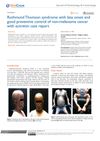 August 2024 in “Journal of Dermatology & Cosmetology”
 Acitretin effectively prevented skin cancer in a patient with late-onset Rothmund-Thomson syndrome.
 49 citations
,
October 2017 in “Nutrients”
49 citations
,
October 2017 in “Nutrients” Equisetum debile extract, especially the ethyl acetate type, may be a promising natural ingredient for anti-hair loss products.