
Dacomitinib can cause nail and skin issues, but these can be managed without stopping the drug.
2 citations
,
September 2024 in “Expert Opinion on Drug Metabolism & Toxicology” Ritlecitinib is an effective new treatment for Alopecia Areata.
 July 1988 in “Journal of The American Academy of Dermatology”
 Various dermatologic treatments were effective for skin conditions like acne, rosacea, hair loss, and psoriasis from December 1986 to December 1987.
 January 2022 in “Yonago Acta Medica”
 A woman got a skin condition from misusing a steroid cream, which improved after she stopped using it and started a new treatment.
7 citations
,
August 2024 in “Clinical and Experimental Dermatology” Upadacitinib is effective and safe for treating severe alopecia areata in teens.
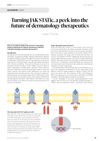 August 2024 in “New Zealand Medical Student Journal”
 JAK inhibitors show promise for treating skin diseases effectively and safely.
68 citations
,
January 2014 in “Dermatology research and practice” Skin side effects from cancer drugs targeting EGFR can affect treatment adherence but can be managed with antibiotics like tetracycline.
September 2025 in “Journal of the American Academy of Dermatology”  44 citations
,
April 2006 in “Expert opinion on drug safety”
44 citations
,
April 2006 in “Expert opinion on drug safety” Gefitinib can cause skin problems, diarrhea, and nausea, but rarely causes severe lung disease or hair loss.
4 citations
,
October 2013 in “PLoS ONE” Vemurafenib causes significant skin side effects, requiring regular dermatologist care and sun protection.
 November 2023 in “Pakistan Journal of Health Sciences”
 Clobetasol propionate 0.05% is more effective for hair re-growth in alopecia areata than tacrolimus 0.1%.
 July 2017 in “Nursing2023”
 Actemra is approved for a specific artery condition, HIV treatment adherence has improved, women may pay more for a hair loss product, and incorrect dosing of blood thinners can be risky.
1 citations
,
February 2025 in “International Journal of Dermatology” Abrocitinib may effectively treat Lichen Planopilaris.
 November 2023 in “Deleted Journal”
 Combining laser and corticosteroid is not better than corticosteroid alone for treating frontal fibrosing alopecia.
February 2026 in “Frontiers in Medicine” Topical immunotherapy is still effective for managing alopecia areata, even with new treatments available.
1 citations
,
January 1987 in “Veterinary Dermatology” Topical 0.1% tacrolimus improved a rare ear condition in cats.
 13 citations
,
July 2011 in “Journal of Dermatological Treatment”
13 citations
,
July 2011 in “Journal of Dermatological Treatment” Clobetasol and pimecrolimus are similarly effective for alopecia areata, but pimecrolimus has fewer side effects and is preferred for long-term use.
51 citations
,
July 2003 in “Annals of the Rheumatic Diseases” Co-trimoxazole may help treat autoimmune diseases.
2 citations
,
February 2023 in “Actas Dermo-Sifiliográficas” Baricitinib effectively improved both atopic dermatitis and alopecia areata symptoms in a patient.
 January 2025 in “Geneesmiddelenbulletin”
 Baricitinib is effective and safe for treating severe alopecia areata with ongoing use.
9 citations
,
October 2015 in “Cutaneous and ocular toxicology” Vemurafenib can cause scalp issues but can be managed without changing the dose.
 1 citations
,
May 2025 in “The Journal of Rheumatology”
1 citations
,
May 2025 in “The Journal of Rheumatology” Upadacitinib may help treat difficult cases of systemic lupus erythematosus.
Baricitinib may not always prevent relapse in alopecia areata.
December 2025 in “Pediatric Dermatology” Trametinib can cause skin issues, but they can often be managed without stopping the drug.
 November 2023 in “Research Portal Denmark”
 Baricitinib shows promise for severe alopecia areata but isn't a cure and has side effects.
1 citations
,
May 2025 in “Journal of the European Academy of Dermatology and Venereology” Ritlecitinib and baricitinib are effective for alopecia areata, but more research is needed to determine which is better.
 April 2023 in “The journal of investigative dermatology/Journal of investigative dermatology”
 A PTH-based treatment improved hair regrowth better than ruxolitinib in a mouse model of hair loss.
January 2026 in “Experimental Dermatology” Skin-resident memory T cells may contribute to chronic alopecia areata and baricitinib could be a potential treatment.
 June 2025 in “BMJ Case Reports”
 Axitinib treatment turned a man's grey hair back to black.
188 citations
,
October 2014 in “Thyroid” Dabrafenib was effective and well tolerated in treating thyroid cancer with a specific mutation.