Search
for
Sort by
Research
60-90 / 1000+ resultsresearch Increased risk of telogen effluvium with tirzepatide compared to other weight-loss medications: a retrospective cohort TriNetX database study
research Safety Evaluation of Topical Valproate Application
Topical Valproate is safe for human skin and unlikely to cause irritation.
research The efficacy and safety of tofacitinib in patients with alopecia totalis
Tofacitinib is a potential alternative treatment for alopecia totalis, especially in patients with a shorter duration of the condition and more preserved hair follicles, but the overall response rate is low.
research Evaluation of Topical Sodium Valproate-Loaded Nano Spanlastics Formulation versus Minoxidil® 5% in The Treatment of Female Pattern Hair Loss Using Transdermal Delivery: A Comparative Study
Topical Valproic acid and 5% Minoxidil both significantly increase hair count in Female Pattern Hair Loss, with similar side effects.
research Hair Loss as a Side Effect of Lamotrigine Treatment
A woman's hair loss stopped after she stopped taking lamotrigine, suggesting it might cause hair loss.
research COMPARATIVE EVALUATION OF EFFICACY AND SAFETY OF TOPICAL METHOTREXATE WITH TRETINOIN VERSUS BETAMETHASONE WITH TRETINOIN IN PATIENTS OF ALOPECIA AREATA: A PROSPECTIVE RANDOMIZED DOUBLE-BLIND STUDY
Topical methotrexate is more effective and as safe as betamethasone for treating alopecia areata.
research Valproic acid and alopecia: A two-edged sword
Valproic acid can cause hair loss when taken orally but may promote hair growth when applied topically.
research [A patient with advanced recurrent breast cancer who firmly resisted hair loss and was then treated by combination therapy with high-dose toremifene and capecitabine].
The combination of high-dose toremifene and capecitabine was effective for advanced recurrent breast cancer.
research Role of topical tofacitinib in autoimmune skin disorders: An expert opinion
Topical tofacitinib is a safe and effective treatment for autoimmune skin disorders.
research Pharmacologic Management of Acute Attacks of Migraine and Prevention of Migraine Headache
Use NSAIDs for immediate migraine relief and β-blockers for prevention; tailor treatment to the individual.
research Role of Zinc Supplementation in the Treatment of Levetiracetam-Induced Hair Loss: A Case Series
Zinc supplements may help reduce hair loss caused by levetiracetam without affecting seizure control.
research Clinical and Dermoscopic Evaluation of the Efficacy Melasma Treatment with Oral Tranexamic Acid
Oral tranexamic acid is a safe and effective treatment for melasma.
research Valproate: It's effects on hair
Valproate can cause hair loss and changes in hair appearance, but may help regrow hair when applied topically.
research Sticking It to Alopecia
Triamcinolone acetonide injections help regrow hair in alopecia areata patients.
research A CLINICAL STUDY OF ALOPECIA AREATA AND TO EVALUAT E OF THE EFFICACY OF 0.03% TOPICAL TACROLIMUS IN ITS TREATMENT
Topical tacrolimus is effective and safe for treating alopecia areata.
research Efficacy and safety of fremanezumab for migraine prophylaxis in patients with at least three previous preventive failures: Prospective, multicenter, real‐world data from a Greek registry
Fremanezumab effectively reduces migraines and improves quality of life with mild side effects.
research [Sodium valproate (Na VPa) monotherapy in childhood epilepsy ].
Sodium valproate effectively reduces seizures in children with epilepsy, especially in primary generalized cases.

research Metoprolol and alopecia.
Metoprolol, a blood pressure medication, was linked to reversible hair loss.
research A Comparison of the Efficacy, Relapse Rate and Side Effects among Three Modalities of Systemic Corticosteroid Therapy for Alopecia Areata
imTA and pulse therapy are effective for alopecia areata with manageable side effects, but relapse rates need improvement.
research Use of intramuscular triamcinolone acetonide in intermediate responders to janus kinase inhibition for alopecia areata: Case report
IMTA can help regrow hair in severe alopecia areata when JAK inhibitors don't work well.
research A comparative assessment of propranolol, flunarizine and divalproex sodium in prophylactic therapy of migraine in a teaching Hospital in North India
Propranolol, flunarizine, and divalproex sodium are equally effective for preventing migraines, but have different side effects.
research ETP026 A case of alopecia areata associated with low dosage VPA treatment
Low dose valproic acid treatment caused hair loss in a young patient.
research Overcoming hurdles: Side effects with old drugs and achieving success with novel drug in alopecia areata
Tofacitinib effectively regrew scalp hair in an 11-year-old girl with alopecia areata.
research Efficacy and safety of microneedling and oral tranexamic acid in the treatment of facial melasma in women: An open, evaluator-blinded, randomized clinical trial
Microneedling and oral tranexamic acid both improve facial melasma, but microneedling shows more sustained benefits.

research Resistant alopecia areata treated with tofacitinib
Tofacitinib can be effective in treating hair loss caused by alopecia areata.
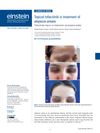
research Topical tofacitinib in treatment of alopecia areata
Topical tofacitinib shows promise as a future treatment for alopecia areata.
research Tofacitinib for the Treatment of Severe Alopecia Areata in Adults and Adolescents
Tofacitinib shows promise for treating severe hair loss in adults and teens, with many experiencing regrowth, but hair loss returns when treatment stops.

research Antiseizure Medication-Induced Alopecia: A Literature Review
Some antiseizure medications can cause reversible hair loss, with valproate, lamotrigine, and carbamazepine being the most common.
research Alopecia in Association with Lamotrigine Use
Lamotrigine may cause hair loss, affecting treatment compliance and health.