 18 citations
,
June 2017 in “Journal of The American Academy of Dermatology”
18 citations
,
June 2017 in “Journal of The American Academy of Dermatology” Trichoscopy helps diagnose frontal fibrosing alopecia, even with unusual patterns.
 6 citations
,
April 2013 in “Assiut Veterinary Medical Journal/Maǧallaẗ Asyūṭ al-ṭibiyyaẗ al-baytariyyaẗ”
6 citations
,
April 2013 in “Assiut Veterinary Medical Journal/Maǧallaẗ Asyūṭ al-ṭibiyyaẗ al-baytariyyaẗ” Most cats with ear infections recovered after treatment, especially Turkish Angora and Persian breeds.
138 citations
,
June 2023 in “Molecules” Skin pigmentation varies due to genetics, UV exposure, and drugs, with treatments available but requiring medical advice.
 February 2026 in “International Journal of Molecular Sciences”
 Brazilian pepper tree leaf extract effectively protects skin cells from UVC damage and is a strong natural skincare option.
5 citations
,
August 2025 in “Biomedicines” Early detection and multidisciplinary management of skin and mouth side effects from breast cancer treatments improve patient outcomes.
 August 2025 in “Journal of Cosmetic Dermatology”
 Interest in new and personalized treatments for hair loss is growing.
 February 2026 in “Journal of Sylva Indonesiana”
 Avicennia marina heartwood extract shows strong antioxidant potential for health benefits.
 19 citations
,
September 2020 in “Pharmaceutics”
19 citations
,
September 2020 in “Pharmaceutics” Sodium Valproate nanospanlastics could be a safe and effective treatment for Androgenic Alopecia, with fewer side effects than minoxidil.
 January 2017 in “Journal of Investigative Dermatology Symposium Proceedings”
 The 2015 Hair Research Congress concluded that stem cells, maraviroc, and simvastatin could potentially treat Alopecia Areata, topical minoxidil, finasteride, and steroids could treat Frontal Fibrosing Alopecia, and PTGDR2 antagonists could also treat alopecia. They also found that low-level light therapy could help with hair loss, a robotic device could assist in hair extraction, and nutrition could aid hair growth. They suggested that Alopecia Areata is an inflammatory disorder, not a single disease, indicating a need for personalized treatments.
February 2017 in “Cancer Research” Topical calcitriol appears safe and may reduce hair loss during chemotherapy.
 July 2016 in “Cancer Research”
 A topical lotion helped manage hair loss from chemotherapy by affecting cell death, inflammation, and collagen, with no side effects.
 April 2013 in “Cancer Research”
 A botanical extract was found to be a safe treatment that may prevent hair loss in chemotherapy patients.
 53 citations
,
April 2021 in “Cell Host & Microbe”
53 citations
,
April 2021 in “Cell Host & Microbe” Skin bacteria, specifically Staphylococcus aureus, help in wound healing and hair growth by using IL-1β signaling. Using antibiotics on skin wounds can slow down this natural healing process.
 31 citations
,
March 2017 in “Journal of The American Academy of Dermatology”
31 citations
,
March 2017 in “Journal of The American Academy of Dermatology” Some breast cancer patients developed permanent hair loss after chemotherapy and hormonal therapy, showing patterns similar to common baldness and alopecia areata.
 29 citations
,
March 1983 in “Journal of The American Academy of Dermatology”
29 citations
,
March 1983 in “Journal of The American Academy of Dermatology” New treatments for psoriasis have improved effectiveness and may reduce long-term side effects when combined with standard therapies.
 June 2023 in “Brazilian Journal of Health Review”
 Common baldness is a hereditary condition that can be treated with medications or surgery to prevent progression and improve self-esteem.
 8 citations
,
January 2020 in “Journal of Cutaneous Medicine and Surgery”
8 citations
,
January 2020 in “Journal of Cutaneous Medicine and Surgery” Oral minoxidil may improve hair loss in men and women, but has some side effects.
6 citations
,
March 2024 in “Therapeutic Delivery” Nanoparticle drug delivery could improve alopecia areata treatment.
1 citations
,
November 2024 in “JAAD reviews.” Patients with alopecia areata prefer effective, safe, and convenient treatments, especially topical ones.
 January 2025 in “International Journal of Dermatology Venereology and Leprosy Sciences”
 Current treatments for alopecia areata can help hair grow but don't cure the disease.
 April 2024 in “International Journal of Research Publication and Reviews”
 Alopecia areata causes hair loss with varied treatment responses and frequent relapses.
 April 2023 in “Dermatology practical & conceptual”
 Tacrolimus solution is effective and well-tolerated for treating inflammatory scalp conditions.
 July 2021 in “Clinical case reports and studies”
 Topical diphencyprone effectively treated a 9-year-old boy's alopecia areata with fewer side effects.
 March 2026 in “Editora Pasteur eBooks”
 Alopecia androgenética is common hair loss affecting self-esteem, treatable with medications and procedures.
 4 citations
,
January 2016 in “Dermatology online journal”
4 citations
,
January 2016 in “Dermatology online journal” Using bacitracin zinc and selenium sulfide one after the other can temporarily turn white hair yellow.
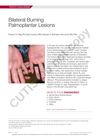
The woman was diagnosed with lichen sclerosus, a rare skin condition, after initial misdiagnosis and ineffective treatments.
February 2026 in “International Journal of Dermatology” Experts recommend specific treatments for alopecia areata based on age and severity, emphasizing the need for better treatments and acknowledging its psychological impact.
35 citations
,
November 2022 in “The Journal of Dermatology” Alopecia areata is becoming more common in Japan, with a need for better treatments, especially for severe and pediatric cases.

Vitamin D3 helps treat mild to moderate alopecia areata, especially when combined with other treatments.
18 citations
,
November 2022 in “The Journal of Dermatology” Alopecia areata affects 1.45% of people in Japan, impacting mood and self-esteem, with many not seeking treatment.