 March 2024 in “Frontiers in medicine”
 PRP treatment can safely improve short-term vision in acute NAION patients.
 February 2024 in “PloS one”
 Tofacitinib and adalimumab are promising treatments for cicatricial alopecia with few side effects.

Pomegranate is beneficial in various medical fields.
 January 2024 in “International Journal of Herbal Medicine”
 Melanin is important for hair color, health, and UV protection.
 August 2023 in “International journal of reproduction, contraception, obstetrics and gynecology”
 Combining letrozole with metformin is the most effective treatment for inducing pregnancy in women with PCOS.
 June 2023 in “LA Referencia (Red Federada de Repositorios Institucionales de Publicaciones Científicas)”
 Home photobiomodulation therapy can improve life quality and mobility for disabled individuals.
 June 2023 in “SPIRE - Sciences Po Institutional REpository”
 Extracellular vesicles and androgen receptors may help identify prostate cancer resistance and reduce SARS-CoV-2 infection.
 June 2023 in “Dermatology and therapy”
 The Middle East and Africa need better data, treatment consensus, and support for Alopecia Areata.
 June 2022 in “World Journal Of Advanced Research and Reviews”
 Low-level laser therapy can significantly regrow hair in alopecia areata.
 March 2022 in “Nepal Journal of Dermatology Venereology & Leprology”
 Methotrexate with steroids is slightly more effective than azathioprine with steroids for treating severe alopecia areata.
 January 2022 in “Dermatology Review”
 Higher IL-31 levels are linked to worse itching in chronic kidney disease patients.

The workshop promoted better medicine use and health practices through global collaboration.

The workshop successfully promoted better medicine use and international collaboration.
 August 2018 in “Journal of the American Academy of Dermatology”
 A new cosmetic cream reduced facial redness and skin temperature after 4 weeks of use.
 August 2018 in “SDÜ SAĞLIK BİLİMLERİ DERGİSİ”
 No method fully prevents hair loss from chemotherapy, but some methods can reduce it and improve quality of life.
 January 2017 in “Clinical approaches and procedures in cosmetic dermatology”
 Certain nutrients can improve skin health and treat skin problems safely.
 January 2017 in “Lasers in Surgery and Medicine”
 The 2017 issue emphasized progress in laser and energy-based skin treatments, but noted the need for more research on certain procedures and technologies.
 April 2016 in “Journal of The American Academy of Dermatology”
 Online medical education helps doctors make better clinical decisions and increases their knowledge in treating fungal nail infections.
 April 2016 in “Journal of The American Academy of Dermatology”
 People with lichen planopilaris often have seborrheic dermatitis, which can delay the diagnosis of lichen planopilaris.
 April 2016 in “Journal of The American Academy of Dermatology”
 A child on life support experienced rapid hair loss due to severe illness affecting hair growth.
 January 2016 in “Springer eBooks”
 The document concludes that there are various causes and treatments for hair loss, with hair transplantation being a notable option.

Hormonal treatments can help with hair loss, acne, and excess hair growth, but it takes 3-6 months to see results and patients should know the possible side effects.
 December 2013 in “Biomedical and biopharmaceutical research”
 Nanotechnology shows promise for better drug delivery and cancer treatment.
 August 2012 in “Pharmaceutical Medicine”
 The document concludes that various medications and treatments can have significant, sometimes adverse, effects on health outcomes.
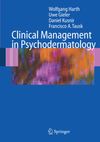 January 2009 in “Springer eBooks”
 The document concludes that treating skin conditions should include psychological care and a multidisciplinary approach is essential for effective management.
 October 2008 in “Clin-alert”
 Certain medications can reduce mortality risk in COPD patients, but others can increase risks of cardiovascular issues, postoperative delirium, and other adverse effects.
 September 2006 in “Plastic and Reconstructive Surgery”
 Hair transplant surgeries can be improved by preserving follicles in a special solution, and surgeries done at outpatient facilities are more profitable than those at hospitals.
 September 2006 in “Plastic and Reconstructive Surgery”
 Outpatient aesthetic and reconstructive surgeries are about equally profitable in Academic Health Centers and Ambulatory Surgery Centers when time is considered, but dedicated surgery centers are generally more profitable.
 September 2006 in “Plastic and Reconstructive Surgery”
 The SGAP flap effectively treats large sacral pressure sores with good results and minimal complications.
CRPS I is complex, linked to immune and nerve issues, and needs comprehensive treatment.