 1 citations
,
September 2023 in “Journal of drugs in dermatology”
1 citations
,
September 2023 in “Journal of drugs in dermatology” Alopecia areata causes unpredictable hair loss and emotional distress, with no cure and limited treatment options.

Using microneedling with PRP improves skin and hair conditions more than microneedling alone.
 1 citations
,
March 2019 in “Actas Dermo-Sifiliográficas”
1 citations
,
March 2019 in “Actas Dermo-Sifiliográficas” New cancer treatments are less harmful to hair but can still cause hair loss, color, shape, and growth changes.
 1 citations
,
October 2018 in “InTech eBooks”
1 citations
,
October 2018 in “InTech eBooks” Only minoxidil and finasteride are FDA-approved for hair loss, with other treatments available but less effective or with side effects.
 1 citations
,
April 2018 in “Revista da Sociedade Portuguesa de Dermatologia e Venereologia”
1 citations
,
April 2018 in “Revista da Sociedade Portuguesa de Dermatologia e Venereologia” Hidradenitis suppurativa is a chronic skin condition more common in women, linked to genetics and lifestyle factors, and associated with various other health issues.
 1 citations
,
February 2004 in “Journal of The European Academy of Dermatology and Venereology”
1 citations
,
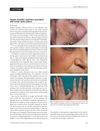
February 2004 in “Journal of The European Academy of Dermatology and Venereology” Hair loss improved with treatment and successful transplant.
 July 2026 in “Frontiers in Medicine”
 A new treatment plan for alopecia areata considers disease severity, quality of life, and progression to offer personalized care.
 July 2026 in “Quality in Sport”
 New treatments for alopecia areata focus on targeted drugs and regenerative therapies, but challenges remain.
 July 2026 in “Frontiers in Cellular and Infection Microbiology”
 Staphylococcus levels may indicate hair loss in men and could help develop new treatments.
 June 2026 in “Journal of cancer research updates”
 Generic Palbociclib is safe and tolerable for treating certain breast cancer types.
 June 2026 in “Aesthetic Cosmetology and Medicine”
 The polynucleotide-based gel effectively treats hair loss with minimal side effects.
 April 2026 in “Journal of Education Health and Sport”
 Invasive treatments can improve hair growth, but effectiveness varies and more research is needed.
 March 2026 in “American Journal of Clinical Dermatology”
 Cancer survivors need better skin care to improve their quality of life.
 March 2026 in “Scientific Reports”
 Scalp cooling reduces hair loss and improves quality of life during chemotherapy.
 February 2026 in “Frontiers in Medicine”
 FUE hair transplants are generally safe but require careful planning to avoid rare complications.
 January 2026 in “Forum Dermatologicum”
 Hair loss can be caused by cancer, treatments, or skin conditions, and trichoscopy helps diagnose it.
 January 2026 in “Inflammation and Regeneration”
 Two-photon microscopy improves skin imaging but faces safety and cost challenges for clinical use.
 January 2026 in “International Journal of All Research Education & Scientific Methods”
 Alopecia is caused by various factors, and new treatments like gene editing and regenerative medicine offer hope for personalized hair regrowth solutions.
Virtual healthcare significantly improves quality of life for men with hair loss if they stick to the treatment.

Autologous platelet concentrates help heal and regenerate dental tissues.
 December 2025 in “npj Breast Cancer”
 Capivasertib improves survival in certain breast cancer cases but requires careful management of side effects.
 October 2025 in “Asian Journal of Pharmaceutical Research and Development”
 Phytosome technology improves the absorption and effectiveness of citrus flavonoids.
 October 2025 in “Clinical Cosmetic and Investigational Dermatology”
 Targeting specific cell interactions may help treat skin fibrosis.
 September 2025 in “Dermatology and Therapy”
 Activated PRP effectively increases hair density and reduces hair loss in alopecia.

Combining PRP and microneedling effectively improves hair growth and patient satisfaction for hair loss.

Ladakh hotsprings contain compounds with potential medicinal benefits for various health conditions.
 July 2025 in “Dermatology and Therapy”
 Patients with fewer past treatments for alopecia areata respond better to baricitinib.
 May 2025 in “International Journal of Clinical Obstetrics and Gynaecology”
 A holistic approach, including lifestyle changes and surgery, is recommended for better long-term PCOS management.
 October 2024 in “Irish Journal of Medical Science (1971 -)”
 Continuous glucose monitoring and GLP-1 receptor agonists improve diabetes management, but personalized care and education are crucial.
 March 2024 in “International Research Journal of Modernization in Engineering Technology and Science”
 The herbal shampoo made hair shinier, smoother, and softer without side effects.