 1 citations
,
July 2015 in “British Journal of Dermatology”
1 citations
,
July 2015 in “British Journal of Dermatology” Imiquimod improved skin pigmentation in most patients with xeroderma pigmentosum and may prevent further skin cancer, but some treatments can have side effects.
 1 citations
,
January 2015 in “Springer eBooks”
1 citations
,
January 2015 in “Springer eBooks” The document says a skin condition called alopecia areata causes hair loss and stress, and is treated with strong skin creams, injections, or other therapies, but treatment success varies.
 1 citations
,
January 2014 in “Elsevier eBooks”
1 citations
,
January 2014 in “Elsevier eBooks” Melanocytes produce melanin; their defects cause vitiligo and hair graying, with treatments available for vitiligo.
1 citations
,
January 2013 in “Annals of Dermatology” Naproxen effectively treated a girl's eosinophilic pustular folliculitis when other treatments failed.
1 citations
,
January 2011 in “MOspace Institutional Repository (University of Missouri)” Topical immunotherapy with SADBE and DPCP is most effective for short-term hair regrowth in children with severe alopecia areata.
 1 citations
,
February 2009 in “Clinical and Experimental Dermatology”
1 citations
,
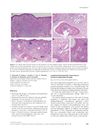
February 2009 in “Clinical and Experimental Dermatology” Hormone-replacement therapy improved a woman's skin condition known as lymphomatoid papulosis.
 1 citations
,
January 2009 in “Actas Dermo-Sifiliográficas”
1 citations
,
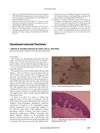
January 2009 in “Actas Dermo-Sifiliográficas” Docetaxel, a chemotherapy drug, was reported to cause psoriasis in a patient for the first time.
 1 citations
,
March 2023 in “Clinical, Cosmetic and Investigational Dermatology”
1 citations
,
March 2023 in “Clinical, Cosmetic and Investigational Dermatology” Current treatments for Alopecia Areata have mixed success, and there's a need for better, more accessible options and support for affected individuals.
 1 citations
,
May 2017 in “InTech eBooks”
1 citations
,
May 2017 in “InTech eBooks” The document concludes that alopecia areata is an unpredictable autoimmune hair loss condition with no cure, but various treatments exist that require personalized approaches.
 1 citations
,
January 2014 in “Hair therapy & transplantation”
1 citations
,
January 2014 in “Hair therapy & transplantation” Platelet-rich plasma treatment is not very effective for chronic severe alopecia areata.
August 2026 in “JDDG Journal der Deutschen Dermatologischen Gesellschaft” Topical corticosteroids are highly recommended for Alopecia areata, with systemic corticosteroids and Janus kinase inhibitors recommended for adults, and hair replacement options should be discussed with all patients.
June 2026 in “JEADV Clinical Practice” Cemiplimab can cause alopecia areata, but it can be treated successfully.
May 2026 in “JDDG Journal der Deutschen Dermatologischen Gesellschaft” Use topical corticosteroids for alopecia areata, consider systemic treatments like corticosteroids or JAK inhibitors for severe cases, and inform about cosmetic options.
April 2026 in “Indian Journal of Dermatology” Follicular vitiligo causes hair whitening without skin color change and can be treated for repigmentation.
February 2026 in “American Journal of Case Reports” AS-OCT is crucial for diagnosing VZV interstitial keratitis and avoiding unnecessary treatments.
February 2026 in “International Journal of Dermatology” Experts recommend specific treatments for alopecia areata based on age and severity, emphasizing the need for better treatments and acknowledging its psychological impact.
February 2026 in “International Journal of Clinical Dermatology” Alopecia areata in children shows varied forms and treatment challenges, with some achieving full or partial hair regrowth.
February 2026 in “Cureus” Crisaborole may help regrow hair in children with alopecia areata.
 February 2026 in “ImmunoTargets and Therapy”
 Tumor immunotherapy can cause hair loss by disrupting hair follicle immunity.
 January 2026 in “Acta Dermatovenerologica Alpina Pannonica et Adriatica”
 Accurate diagnosis is crucial for effectively treating severe alopecia and related symptoms.
January 2026 in “Case Reports in Dermatological Medicine” Lichen Planus in siblings may be influenced by genetics and environment.
January 2026 in “Clinical Journal for Nurse Practitioners in Women s Health” Pregnancy can cause skin changes, some harmless and others risky, needing careful management.
January 2026 in “White Rose Research Online (University of Leeds, The University of Sheffield, University of York)” Most patients with alopecia areata did not achieve lasting hair regrowth despite treatment.
 January 2026 in “International Journal of Research and Innovation in Applied Science”
 Ayurvedic treatment may help manage alopecia areata.
December 2025 in “Journal of Paediatrics and Child Health” Tick-bite alopecia can be identified by a bite-centered mark and treated with topical steroids, while SENLAT needs doxycycline.
December 2025 in “Indian Dermatology Online Journal” Improved diagnosis and affordable topical treatments are essential for managing alopecia areata in India.
Alopesi tedavisinde ilaçlar saç büyümesini teşvik eder ve yeni yaklaşımlar umut vaat eder.
September 2025 in “HAL (Le Centre pour la Communication Scientifique Directe)” Patients with inflammatory bowel disease on anti-TNFα therapy can develop temporary hair loss, but hair regrows fully with treatment changes.
 September 2025 in “Cureus”
 There is no standard treatment for CCCA, and practices vary widely.
 September 2025 in “OBM Genetics”
 Early diagnosis and comprehensive management improve life quality for Netherton syndrome patients.