September 2025 in “Brazilian Journal of Health Review” Early diagnosis and less aggressive hair care improve outcomes for Black women with frontal fibrosing alopecia.
 September 2025 in “Journal of the American Academy of Dermatology”
 Vitiligo may be linked to stopping finasteride.
 September 2025 in “Journal of International Medical Research”
 Chlorine gas exposure can cause long-term skin issues.
August 2025 in “Indian Dermatology Online Journal” Early recognition and treatment of EPDS are crucial to prevent permanent hair loss.
August 2025 in “Clinical and Experimental Dermatology” Alopecia areata treatments often don't lead to lasting improvement.
 July 2025 in “International Journal of Pharmaceutical Sciences Review and Research”
 Individualized treatment and psychological support improved the patient's quality of life and appearance despite medication side effects.
May 2025 in “Skin Appendage Disorders” Psoriatic alopecia is a challenging hair loss condition linked to psoriasis, needing better diagnosis and personalized treatments.
May 2025 in “Skin Appendage Disorders” Frontal fibrosing alopecia can be diagnosed by examining facial areas and treated with specific medications to stop its progression.
May 2025 in “International Journal of Trichology” Hair Heat Disease is caused by wet, oily hair and friction in hot, humid conditions.
 March 2025 in “Journal of Clinical Medicine”
 Frontal fibrosing alopecia in men is often misdiagnosed and needs better diagnostic criteria and treatment strategies.
March 2025 in “Revista Foco” Early diagnosis of Alopecia Frontal Fibrosante is crucial for effective treatment.

Frontal fibrosing alopecia in men is often misdiagnosed and needs better diagnostic criteria and treatments.
 February 2025 in “Quality in Sport”
 Pregnancy-related skin disorders need accurate diagnosis and treatment to prevent risks to the baby.
 January 2025 in “Dermatology Practical & Conceptual”
 Perinevoid alopecia can be effectively treated with non-invasive corticosteroids.
January 2025 in “JDDG Journal der Deutschen Dermatologischen Gesellschaft” Pediatric alopecia areata needs better treatments and psychological support.
January 2025 in “Indian Dermatology Online Journal” Mycosis fungoides can have unusual symptoms and may be misdiagnosed, but specific cell markers might suggest a lower risk of worsening.
 January 2025 in “International Journal of Dermatology Venereology and Leprosy Sciences”
 Current treatments for alopecia areata can help hair grow but don't cure the disease.
 October 2024 in “JEADV Clinical Practice”
 UK dermatologists commonly use corticosteroids and minoxidil to treat hair loss conditions.
 September 2024 in “Journal of Clinical Medicine”
 Permanent makeup can cause delayed allergic reactions, but they can be managed with proper treatment.
July 2024 in “Journal of Investigative Dermatology” Topical corticosteroids are recommended first for treating pediatric alopecia areata due to safety and ease of use.
Isotretinoin effectively improved severe pityriasis rubra pilaris with complications.
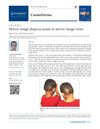
Mirror-image twins can have alopecia areata on opposite sides of their heads.
 April 2024 in “International Journal of Research Publication and Reviews”
 Alopecia areata causes hair loss with varied treatment responses and frequent relapses.
April 2024 in “Journal of clinical medicine” Effective treatment guidelines for frontal fibrosing alopecia are still unclear.
 February 2024 in “Lasers in Medical Science”
 Lasers and energy-assisted methods show promise for treating hair loss, but more research is needed.
 February 2024 in “Sohag Medical Journal”
 Various local treatments for alopecia areata show promise, but individualized plans and more research are needed.
 January 2024 in “Dermatologic therapy”
 AKN is a chronic scalp condition in African-descended males, treated with topicals, antibiotics, steroids, and sometimes surgery or laser.
 January 2024 in “JAAD case reports”
 Netherton syndrome can cause severe and chronic vulvovaginal symptoms that may improve with continuous oral contraceptives.
 January 2024 in “International journal of homoeopathic sciences”
 Early intervention and patient education are crucial for managing alopecia areata.
January 2024 in “Medicinska istrazivanja” Timely treatment of EPDS can reduce scarring.