 34 citations
,
June 2014 in “The BMJ”
34 citations
,
June 2014 in “The BMJ” Pregnancy can change skin disease severity, with some conditions improving and others worsening, and treatment should balance benefits and fetal safety.
 24 citations
,
July 2019 in “Cochrane library”
24 citations
,
July 2019 in “Cochrane library” Some treatments like methotrexate with prednisone might help juvenile morphea, but more research is needed to confirm.
 9 citations
,
October 2017 in “Archivos Argentinos de Pediatria”
9 citations
,
October 2017 in “Archivos Argentinos de Pediatria” Alopecia areata needs new treatments targeting autoimmune processes due to its emotional impact and variable treatment responses.
 3 citations
,
September 2024 in “Dermatology and Therapy”
3 citations
,
September 2024 in “Dermatology and Therapy” Previous alopecia areata treatments do not affect the long-term effectiveness of ritlecitinib.
 March 2026 in “Editora Pasteur eBooks”
 Hair health is affected by various conditions and requires personalized treatment.

Frontal fibrosing alopecia can be managed with personalized combination therapies, but no cure exists yet.
 June 2024 in “Archives of dermatological research”
 Both treatments work, but Minoxidil 0.5% MMP® is better for certain scalp areas and less advanced hair loss.
 November 2023 in “Research Portal Denmark”
 Baricitinib shows promise for severe alopecia areata but isn't a cure and has side effects.
 January 2021 in “Online Publication Service of Würzburg University (Würzburg University)”
 Diphenylcyclopropenon treatment for Alopecia areata is effective and safe, improving patients' quality of life.
Antimalarial agents are effective for LPP, and intralesional steroids are effective for FFA.
 January 2017 in “Dermatology Review”
 Skin issues from chronic graft-versus-host disease greatly affect daily life, needing teamwork between blood and skin doctors.
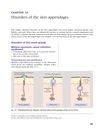 December 2016 in “John Wiley & Sons, Ltd eBooks”
 The document concludes that proper recognition and treatment of skin appendage disorders are important for management.
Different hair and nail conditions can indicate health issues and have specific treatments; accurate diagnosis is crucial before treatment.
 June 2008 in “Springer eBooks”
 The document concludes that permanent hair loss conditions are complex, require early specific treatments, and "secondary permanent alopecias" might be a more accurate term than "secondary cicatricial alopecia."
 11 citations
,
May 2009 in “Actas Dermo-Sifiliográficas”
11 citations
,
May 2009 in “Actas Dermo-Sifiliográficas” Some treatments can help hair regrowth in alopecia areata, but none offer a cure, and effectiveness varies.
 10 citations
,
January 2015 in “Journal of Cutaneous Medicine and Surgery”
10 citations
,
January 2015 in “Journal of Cutaneous Medicine and Surgery” Cold caps and certain drugs may help prevent or reduce hair loss from chemotherapy, but more research is needed.
131 citations
,
November 2010 in “Journal of the American Academy of Dermatology” Cyclosporine is effective for skin conditions but has declined in use due to toxicity concerns.
 97 citations
,
September 2006 in “Pharmaceutical Research”
97 citations
,
September 2006 in “Pharmaceutical Research” No treatment fully prevents hair loss from chemotherapy yet.
 23 citations
,
April 1993 in “Gastroenterology”
23 citations
,
April 1993 in “Gastroenterology” A mother and son both had ulcerative colitis and alopecia, suggesting a genetic link in autoimmune disorders and successful treatment with cyclosporine.
 273 citations
,
May 2017 in “The Lancet”
273 citations
,
May 2017 in “The Lancet” Some drugs can cause rare but potentially deadly skin reactions, and early treatment and avoiding the drug again are key.
 147 citations
,
April 1994 in “Drug Safety”
147 citations
,
April 1994 in “Drug Safety” Some drugs can cause hair loss or increase hair growth, but these effects are usually reversible when the drug is stopped.
 89 citations
,
October 1996 in “Dermatologic Clinics”
89 citations
,
October 1996 in “Dermatologic Clinics” Alopecia areata is likely caused by a combination of genetic factors and immune system dysfunction, and may represent different diseases with various causes.
 78 citations
,
April 1994 in “Archives of dermatology”
78 citations
,
April 1994 in “Archives of dermatology” The study found that Keratosis Pilaris Atrophicans is a genetic skin condition that starts in childhood, involves inflammation and scarring, and current treatments are only somewhat effective.
 64 citations
,
July 2011 in “Dermatologic Therapy”
64 citations
,
July 2011 in “Dermatologic Therapy” Scalp cooling can prevent chemotherapy-induced hair loss, and certain treatments can speed up hair regrowth, but more research is needed for better treatments.
 60 citations
,
March 2014 in “Veterinary dermatology”
60 citations
,
March 2014 in “Veterinary dermatology” Cats with atopic dermatitis often have severe, year-round itching and respond well to certain treatments.
 56 citations
,
January 2021 in “Clinical and Experimental Medicine”
56 citations
,
January 2021 in “Clinical and Experimental Medicine” The document concludes that while there are various treatments for Alopecia Areata, there is no cure, and individualized treatment plans are essential due to varying effectiveness.
 55 citations
,
July 2013 in “Dermatologic therapy”
55 citations
,
July 2013 in “Dermatologic therapy” Some dermatological medications can impair male fertility, so consult a doctor before trying to conceive.
44 citations
,
April 2019 in “Journal of the American Academy of Dermatology” Cyclosporine showed some improvement in alopecia areata but results were not statistically significant.
 14 citations
,
April 2017 in “American Journal of Transplantation”
14 citations
,
April 2017 in “American Journal of Transplantation” Skin problems from transplant drugs are common and need careful management in organ transplant patients.
 11 citations
,
January 2013 in “International Journal of Trichology”
11 citations
,
January 2013 in “International Journal of Trichology” Short Anagen Syndrome causes persistently short hair and increased shedding, usually improving after puberty.