17 citations
,
November 2009 in “Dermato-endocrinology” Medium-dose prednisolone pulse therapy is effective and safe for multifocal alopecia areata but not for more severe forms.
 January 2025 in “Editora Acadêmica Periodicojs eBooks”
 Oral Minoxidil is a practical alternative to Topical Minoxidil for hair loss, but treatment should be personalized.
Nanocarriers improve acne treatment by enhancing drug delivery and reducing side effects.
96 citations
,
December 2015 in “JAMA dermatology” Topical Ruxolitinib may safely treat severe hair loss.
1 citations
,
July 2025 in “International Journal of Women’s Dermatology” Women's minoxidil products cost more and are less effective than men's.
 16 citations
,
October 1994 in “The Journal of Steroid Biochemistry and Molecular Biology”
16 citations
,
October 1994 in “The Journal of Steroid Biochemistry and Molecular Biology” Two non-steroidal antiandrogens, RU 58841 and RU 56187, form a common metabolite at different rates, which may influence their effects; RU 56187 could be used for prostate cancer treatment and RU 58841 for acne treatment.
 8 citations
,
May 2012 in “Clinical and Experimental Dermatology”
8 citations
,
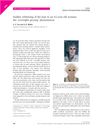
May 2012 in “Clinical and Experimental Dermatology” An 82-year-old woman's hair turned white suddenly, likely due to a rare form of alopecia that targets pigmented hair.
 June 2025 in “Nanomedicine”
 Nanotechnology could improve hair loss treatments by delivering drugs more effectively.
 August 2022 in “Dermatology Online Journal”
 Oral and topical tofacitinib can effectively treat severe hair loss with minimal side effects.
 January 1998 in “Current Therapeutics”
 Different causes of hair loss require specific treatments, and most men and women will experience some form of hair thinning as they age.
 19 citations
,
November 2011
19 citations
,
November 2011 Using systemic drugs as creams for skin conditions shows promise, but more research is needed to confirm their effectiveness and safety.
March 2026 in “International Society of Hair Restoration Surgery” Minoxidil is a safe, FDA-approved treatment for hair loss, available in topical and possibly low-dose oral forms.
 39 citations
,
January 2012 in “International Journal of Trichology”
39 citations
,
January 2012 in “International Journal of Trichology” Melatonin solution helps treat hair loss in men and women.
 April 2025 in “Journal of Pioneering Medical Science”
 Topical minoxidil is safer and improves hair density better than oral minoxidil.
April 1985 in “Plastic & Reconstructive Surgery” Topical minoxidil can help regrow hair in alopecia areata but is less effective for severe cases.
 February 2024 in “International journal of pharmaceutical sciences and nanotechnology”
 Nanocarriers in gel may reduce side effects of oral hair loss treatments.
 14 citations
,
January 2015 in “Skin appendage disorders”
14 citations
,
January 2015 in “Skin appendage disorders” Minoxidil treatment for hair loss can cause scalp allergy and severe hair loss.
 11 citations
,
July 2020 in “Journal of Cosmetic Dermatology”
11 citations
,
July 2020 in “Journal of Cosmetic Dermatology” Sandalore® improves hair growth and quality in people with hair loss.
 4 citations
,
May 2019 in “PubMed”
4 citations
,
May 2019 in “PubMed” Topical minoxidil does not change the activity of hair follicle enzymes that metabolize it.
 September 2025 in “Journal of the American Academy of Dermatology”
 Low-dose oral minoxidil may be a promising alternative to topical minoxidil for hair loss.
 January 2024 in “Brazilian Journal of Hair Health”
 Combining low-level laser therapy with topical corticosteroids effectively improved Lichen Planopilaris symptoms.
 January 2022 in “Clinical, Cosmetic and Investigational Dermatology”
 A mix of methotrexate, corticosteroids, and topical minoxidil effectively treated severe total body hair loss, but caused stretch marks and needs long-term monitoring.
 January 2024 in “Skin appendage disorders”
 Oral finasteride seems more effective for hair loss in postmenopausal women, but more research is needed.
 101 citations
,
March 1987 in “Journal of The American Academy of Dermatology”
101 citations
,
March 1987 in “Journal of The American Academy of Dermatology” Minoxidil solution helps hair regrowth in alopecia areata, with 5% being more effective.
36 citations
,
March 1989 in “British journal of dermatology/British journal of dermatology, Supplement” DPCP is more effective than tretinoin gel for treating severe alopecia.
 14 citations
,
October 2020 in “Natural Products and Bioprospecting”
14 citations
,
October 2020 in “Natural Products and Bioprospecting” Various treatments, including FDA-approved drugs, natural products, and oral supplements, can help with hair loss, but a patient's medical history and potential allergies should be considered when choosing a treatment.
 8 citations
,
October 2015 in “Asian Journal of Chemistry”
8 citations
,
October 2015 in “Asian Journal of Chemistry” A new method was created to accurately measure minoxidil and aminexil in hair loss treatments.
5 citations
,
May 2015 in “The Journal of Dermatology” Topical corticosteroids can help treat severe alopecia areata when other treatments fail.
 4 citations
,
January 1965 in “THE JOURNAL OF VITAMINOLOGY”
4 citations
,
January 1965 in “THE JOURNAL OF VITAMINOLOGY” Vitamin E speeds up hair growth by improving blood flow.
 3 citations
,
January 2023 in “Journal of Pharmaceutical Negative Results”
3 citations
,
January 2023 in “Journal of Pharmaceutical Negative Results” The emulgel with 11.5% oil and 1.75% gelling agent effectively delivers fluconazole topically with improved spreadability and stability.