 March 2026 in “Journal of Pakistan Association of Dermatologists”
 Tofacitinib helps hair regrowth in alopecia areata but relapse is common after stopping treatment.

Experts created guidelines to better diagnose and treat uncommon fungal skin infections.
 February 2026 in “Ciencia Latina Revista Científica Multidisciplinar”
 Early recognition of skin issues in immunocompromised patients is crucial for better outcomes.
 January 2026 in “Frontiers in Pharmacology”
 Certain drugs can cause male infertility, so fertility counseling and sperm preservation are advised.
 January 2026 in “Frontiers in Immunology”
 Timely treatment of eosinophilic asthma in rheumatic disease patients can prevent organ damage.
 January 2026 in “Frontiers in Medicine”
 Alopecia areata in Taiwan has a high disease burden and needs better research and diagnostic criteria.

Understanding hair follicle signaling can improve hair disorder treatments.
 December 2025 in “Lviv clinical bulletin”
 PRP therapy may help with ovarian issues and fertility, but more research is needed.
 December 2025 in “Frontiers in Medicine”
 Ritlecitinib successfully treated a child's alopecia universalis after baricitinib failed.
 November 2025 in “International Journal of Research in Medical Sciences”
 Unani medicine may help treat a rare, hard-to-treat hair loss pattern in children.
 November 2025 in “Frontiers in Pharmacology”
 64 drugs can cause hair loss, needing better monitoring and updated labels.
 November 2025 in “Frontiers in Immunology”
 Stem cell activity influences autoimmune disease outcomes by affecting immune responses and tissue regeneration.
 November 2025 in “Clinical Cosmetic and Investigational Dermatology”
 Tofacitinib is effective and safe for treating severe alopecia areata.
 October 2025 in “Dermatology and Therapy”
 Bariatric surgery can improve some skin issues but may worsen others due to nutritional deficiencies.
 October 2025 in “Dermatology and Therapy”
 Recognizing and treating related skin conditions can improve atopic dermatitis management.
 August 2025 in “International Journal of Applied Pharmaceutics”
 A stable Moringa seed oil hair serum was developed, offering a promising natural alternative for hair loss treatment.
 August 2025 in “Frontiers in Immunology”
 Bullous pemphigoid, intrahepatic cholangiocarcinoma, and alopecia areata may share immune-related causes.
 July 2025 in “Berkala Ilmu Kesehatan Kulit dan Kelamin”
 Alopecia areata in children shows varied symptoms and may involve nails, needing further evaluation for other health issues.
 July 2025 in “Dermatology and Therapy”
 Patients with fewer past treatments for alopecia areata respond better to baricitinib.
 June 2025 in “Saratov Medical Journal”
 Ongoing research and innovation are crucial for improving skin care and treatment.
 June 2025 in “International Journal of Science and Research (IJSR)”
 Tofacitinib effectively promotes hair regrowth in alopecia areata with minimal side effects.
 May 2025 in “The Journal of Rheumatology”
 A woman with skin and joint issues progressed from one type of lupus to another, highlighting the need to recognize complex conditions.
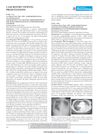 May 2025 in “The Journal of Rheumatology”
 Early diagnosis and treatment are crucial for CAPS, and Eculizumab can be effective.
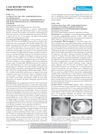 May 2025 in “The Journal of Rheumatology”
 Trans-esophageal echocardiography is crucial for accurately diagnosing heart issues in lupus patients.
 May 2025 in “The Journal of Rheumatology”
 Chronic granulomatous disease may be linked to developing systemic lupus erythematosus.
 May 2025 in “The Journal of Rheumatology”
 Anifrolumab may help improve symptoms in patients with overlapping autoimmune diseases.
 May 2025 in “The Journal of Rheumatology”
 Proactive physical therapy improved mobility, reduced fatigue, and pain in lupus patients.
 May 2025 in “The Journal of Rheumatology”
 Mixed Connective Tissue Disease can develop from overlapping symptoms of several autoimmune diseases, making diagnosis complex.
 May 2025 in “The Journal of Rheumatology”
 Anti-CD19 therapy may help treat SLE and NMOSD.
 May 2025 in “The Journal of Rheumatology”
 Early recognition and management of gastrointestinal tuberculosis in lupus patients are crucial to prevent complications.