132 citations
,
November 1998 in “Journal of the American Academy of Dermatology” Topical sensitizers have mixed success in treating alopecia areata.
15 citations
,
January 2015 in “Dermatitis” Topical immunotherapy is the best treatment for severe alopecia areata.
 23 citations
,
July 2008 in “British journal of dermatology/British journal of dermatology, Supplement”
23 citations
,
July 2008 in “British journal of dermatology/British journal of dermatology, Supplement” Topical contact sensitizers can treat certain skin conditions but are rarely used in the U.K.
60 citations
,
September 2001 in “British journal of dermatology/British journal of dermatology, Supplement” Topical contact sensitizers can treat certain skin conditions by changing the immune response.
 12 citations
,
November 2003 in “Journal of the American Academy of Dermatology”
12 citations
,
November 2003 in “Journal of the American Academy of Dermatology” Topical diphencyprone helped regrow hair in mice and rats with a condition similar to human hair loss.
 May 2023 in “Elsevier eBooks”
 Some treatments that modify the immune system might help with certain types of hair loss but haven't been explored for common hair loss alone.
16 citations
,
April 2000 in “Contact dermatitis” A man developed severe skin reactions after using a treatment for hair loss.
4 citations
,
March 1991 in “Dermatitis” Minoxidil can cause skin reactions, so testing is important for those with side effects.
71 citations
,
December 2013 in “The journal of investigative dermatology. Symposium proceedings/The Journal of investigative dermatology symposium proceedings” There are no FDA-approved treatments for Alopecia Areata, and current options have varying success and relapse rates.
 71 citations
,
March 2009 in “Seminars in cutaneous medicine and surgery”
71 citations
,
March 2009 in “Seminars in cutaneous medicine and surgery” Alopecia areata can cause unpredictable hair loss, and treatments like corticosteroids and minoxidil may help but have varying side effects.
67 citations
,
July 2011 in “Clinical, cosmetic and investigational dermatology” The document suggests a personalized treatment plan for alopecia areata based on the patient's age and hair loss severity, using a range of therapies ranked by effectiveness and safety.
21 citations
,
December 2014 in “Clinics in dermatology” Squaric acid dibutylester effectively treats alopecia areata.
May 2011 in “Harper's Textbook of Pediatric Dermatology” Alopecia areata causes patchy hair loss and has no cure, but treatments like corticosteroids and minoxidil can help.
February 2006 in “DOAJ (DOAJ: Directory of Open Access Journals)” Alopecia areata treatments include immune inhibitors, topical sensitizers, irritants, and minoxidil, with future focus on immunosuppressive approaches.
 82 citations
,
May 2016 in “Best Practice & Research in Clinical Obstetrics & Gynaecology”
82 citations
,
May 2016 in “Best Practice & Research in Clinical Obstetrics & Gynaecology” The conclusion is that managing androgen excess requires long-term treatment, including hormonal contraceptives and androgen blockers, with follow-up after six months.
 66 citations
,
September 2008 in “Dermatologic therapy”
66 citations
,
September 2008 in “Dermatologic therapy” The conclusion is that the best initial treatment for hirsutism is usually oral contraceptives, with the addition of antiandrogens or insulin sensitizers if needed, and topical eflornithine or laser treatments as supplementary options.
48 citations
,
June 2003 in “Journal of Investigative Dermatology Symposium Proceedings” Contact sensitizers like DCP and SADBE are the most effective treatments for alopecia areata.
 41 citations
,
April 2010 in “Gender Medicine”
41 citations
,
April 2010 in “Gender Medicine” The conclusion is that hirsutism should be diagnosed and treated because it affects quality of life and may signal other health problems.
 30 citations
,
October 2014 in “Journal of The American Academy of Dermatology”
30 citations
,
October 2014 in “Journal of The American Academy of Dermatology” A team approach is crucial for managing PCOS, with dermatologists playing a key role.
 3 citations
,
July 2011 in “Expert Review of Dermatology”
3 citations
,
July 2011 in “Expert Review of Dermatology” Effective treatments for excessive hair growth in women include creams, laser therapy, and medications, with the choice depending on individual needs and potential side effects.
 September 2016 in “Gynecology Obstetrics and Reproductive Medicine”
 Effective treatment for skin issues in women with PCOS includes oral contraceptives, antiandrogens, and other medications and procedures.
6 citations
,
October 2016 in “Pediatric Dermatology” A 6-year-old girl had a rare allergic reaction to a hair regrowth treatment.
January 2013 in “Touro Scholar (Touro College)” DPCP works best for alopecia areata, but more research is needed for better treatments.
 14 citations
,
January 2014 in “Journal of Cutaneous and Aesthetic Surgery”
14 citations
,
January 2014 in “Journal of Cutaneous and Aesthetic Surgery” Scalp Roller therapy helped improve hair growth in patients with hard-to-treat alopecia areata.
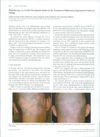 10 citations
,
January 2010 in “Acta dermato-venereologica”
10 citations
,
January 2010 in “Acta dermato-venereologica” Light therapy can effectively treat vitiligo and hair loss caused by a specific medication.
 December 2023 in “PubMed”
 Homemade skin products can cause allergic reactions, so use registered products if you have allergies.
9 citations
,
March 1991 in “American Journal of Contact Dermatitis” Minoxidil can cause allergic skin reactions, especially in long-term users.
22 citations
,
March 1999 in “International Journal of Clinical Practice” Diphencyprone (DCP) is an effective treatment for severe alopecia areata and resistant warts, with some risks.
April 2025 in “Acta Dermato Venereologica” Accurate diagnosis is crucial to distinguish between allergy and irritation from topical minoxidil.
 January 2004 in “Side effects of drugs annual”
 Certain skin drugs and topical agents, including some natural extracts and fragrances, can cause allergic reactions. Some hair dyes and extensions, as well as minoxidil, a hair growth treatment, can also cause allergies. Botulinum toxin A can effectively reduce sweat but may have temporary side effects.