10 citations
,
July 2000 in “PubMed” High calcium in their diet caused zinc deficiency in the goats.
 January 2023 in “Pesquisa Veterinária Brasileira”
 A KRT71 mutation in Hereford cattle in Uruguay causes thin, curly hair and scaly skin.
 March 2026 in “Buletin Veteriner Udayana”
 The cat's hair loss and skin issues improved with less stress and more owner attention.
15 citations
,
March 2019 in “Veterinary Dermatology” Three mousse products effectively reduced bacteria on dog hair for at least 10 days.
6 citations
,
October 1998 in “PubMed” Antifungal treatment can improve severe skin infections with cutaneous horns.
40 citations
,
March 2003 in “The journal of small animal practice/Journal of small animal practice” Trilostane helped a dog with an adrenal tumor feel better and stay healthy.
1 citations
,
January 2015 in “Indian Journal of Veterinary Pathology” Two dogs had different types of hair follicle tumors.
1 citations
,
October 2017 in “Allergology International” 8 citations
,
January 2009 in “Bulletin of the Veterinary Institute in Pulawy” A goat's skin infection was cured with itraconazole and D-biotin.
12 citations
,
January 1987 in “Carcinogenesis” TCDD changes skin cell growth and keratin production in mice.
2 citations
,
December 2019 in “Chinese medical journal/Chinese Medical Journal” A woman with a scalp infection and herpes recovered fully after treatment.
 January 2024 in “The Indian Veterinary Journal”
 A young goat with skin issues improved with medication and supplements.
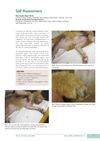 April 2008 in “Companion Animal”
 The cat's skin condition was linked to cancer and did not improve with treatment, leading to a poor outcome.
 February 2023 in “Ankara Üniversitesi Veteriner Fakültesi dergisi”
 Two calves died from ethylene glycol poisoning, a condition more common in pets.
 January 2026 in “International Journal of Advanced Biochemistry Research”
 Dermatophytosis in calves is most common in winter, especially in 4-6 month-old female HF crossbreds.
 13 citations
,
December 2008 in “Veterinary dermatology”
13 citations
,
December 2008 in “Veterinary dermatology” A rabbit with sebaceous adenitis was effectively treated with ciclosporin and medium-chain triglycerides.
January 2025 in “LUMEN ET VIRTUS” Orchiectomy and melatonin helped a German Spitz regrow hair lost due to alopecia X.
December 2022 in “Laboratory Animal Research” Trichoblastomas in aged house musk shrews show unique features and may involve serum amyloid A in inflammation.
May 2025 in “VETERINARY SCIENCE TECHNOLOGIES OF ANIMAL HUSBANDRY AND NATURE MANAGEMENT” Poor-quality feed and low vitamin A cause reproductive issues in nutrias.
August 2004 in “Veterinary Dermatology” Adult-onset hair loss in Chesapeake Bay retrievers may be linked to abnormal adrenal hormone production.
19 citations
,
January 1974 in “Laboratory animals” Zinc deficiency in female rabbits causes poor health and reproductive issues.
4 citations
,
January 2022 in “Actas Dermo-Sifiliográficas” Increased tinea capitis cases in Northwestern Spain may be linked to African immigration.
 7 citations
,
March 2019 in “Frontiers in Cellular and Infection Microbiology”
7 citations
,
March 2019 in “Frontiers in Cellular and Infection Microbiology” Understanding how our bodies interact with mosquito-borne viruses is crucial because there are few treatments and vaccines.
 3 citations
,
January 2013
3 citations
,
January 2013 Hypothyroidism in dogs is usually caused by immune system issues or gland atrophy, affects middle-aged purebreds most, and is treatable with medication.
38 citations
,
September 2017 in “Journal of zoo and wildlife medicine” Oclacitinib maleate successfully treated alopecia in Andean bears.
A mange outbreak nearly wiped out vicuña and guanaco populations in San Guillermo National Park.
29 citations
,
August 2020 in “Parasitology” Tea tree oil is more effective for treating human demodicosis than other treatments.
178 citations
,
June 1994 in “Journal of Investigative Dermatology” Alopecia areata in these mice is inherited, more common in young females, and can be treated with triamcinolone acetonide.
 December 2022 in “Indian Journal of Animal Research”
 Both fluoxetine and clomipramine effectively treat dog lick dermatitis, but fluoxetine works faster with lower recurrence, while clomipramine has fewer side effects.
 22 citations
,
January 2009 in “Medical mycology”
22 citations
,
January 2009 in “Medical mycology” A family got a fungal infection from a boy who had contact with rabbits, but they all recovered with treatment.