 January 2019 in “Springer eBooks”
 Acne is linked to inflammation and insulin resistance, and is associated with various syndromes that require different treatments.
 January 2019 in “Springer eBooks”
 Acne can appear or persist in adulthood due to hormonal changes, external factors, or substance use, and requires appropriate treatment.
 April 2018 in “Journal of Investigative Dermatology”
 Higher levels of nidogen1 and type IV collagen are found in basal cell carcinoma compared to normal skin.
 April 2018 in “Journal of Investigative Dermatology”
 CREB, a protein that can promote cancer traits, is controlled by β-catenin in skin cancer cells.
 April 2018 in “Journal of Investigative Dermatology”
 The document concludes that ERBB2 mutations are common in extramammary Paget disease and may respond to systemic treatments like cancer immunotherapy.
 January 2018 in “Springer eBooks”
 Cancer treatments targeting specific cells often cause skin, hair, and nail problems, affecting patients' lives and requiring careful management.
 December 2016 in “University of Birmingham Institutional Research Archive (University of Birmingham)”
 Steroid-producing capabilities in certain cancers may contribute to treatment resistance.

The document provides 70 multiple choice questions to improve haematology skills.

The document tests knowledge and decision-making in hematology through multiple-choice questions.
 August 2012 in “Pharmaceutical Medicine”
 The document concludes that various medications and treatments can have significant, sometimes adverse, effects on health outcomes.
 January 2012 in “Durham e-Theses (Durham University)”
 Keratin 15 affects cell behavior and characteristics in skin cells.
 December 2011 in “Asia-Pacific biotech news”
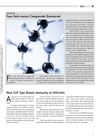
 In 2011, there were major scientific breakthroughs in cancer treatment, immunity, Parkinson's, virus simulation, schizophrenia, hair growth, lung cancer, and medical grafts.
 April 2026 in “Research Square”
 E13 fetal mouse fibroblast vesicles may help reduce scarring.
 September 2025 in “Animal Bioscience”
 Key genes and pathways affect wool fiber thickness, improving wool quality.
Wasabi leaf extract affects gene expression in skin cells.
 January 2025 in “Institutional Repositories DataBase (IRDB)”
 Maslinic acid from olive extracts promotes hair growth like minoxidil.
 February 2024 in “bioRxiv (Cold Spring Harbor Laboratory)”
 Tandem repeats significantly influence hair color, especially darker shades, across different ancestries.
13 citations
,
April 2019 in “iScience” EGFR helps control how hair grows and forms without needing p53 protein.
176 citations
,
February 2006 in “Cancer Research” Patched1 helps prevent tumors by controlling cell growth.
1 citations
,
January 2019 in “Digital Commons @ Olivet (Olivet Nazarene University)” Alpha mangostin may protect certain breast cancer cells by activating the p53 pathway.
 3 citations
,
July 2023 in “The journal of investigative dermatology/Journal of investigative dermatology”
3 citations
,
July 2023 in “The journal of investigative dermatology/Journal of investigative dermatology” Keratin 17 is important for skin's response to radiation, affecting many genes and cell division.
 1 citations
,
December 2022 in “Archives of Dermatological Research”
1 citations
,
December 2022 in “Archives of Dermatological Research” Acne treatment with isotretinoin increases the presence of p53, a protein, in skin and oil glands, which may help reduce acne severity.
May 2005 in “Molecular Carcinogenesis” mrp/plf-mRNA can indicate tumor-promoting effects in skin.
14 citations
,
February 2022 in “The Journal of clinical investigation/The journal of clinical investigation” Scientists made a mouse model of a serious skin cancer by changing skin cells with a virus and a specific gene, which is similar to the disease in humans.
 April 2018 in “Journal of Investigative Dermatology”
 The study found that p63 needs signals from morphogens to help skin cells differentiate properly.
 April 2023 in “The journal of investigative dermatology/Journal of investigative dermatology”
 The protein p21 is more abundant in normal skin cells than in melanoma cells and may help protect against melanoma, with UVB light affecting its levels.
 3 citations
,
May 2025 in “Cell Death and Disease”
3 citations
,
May 2025 in “Cell Death and Disease” Targeting METTL1 may help slow papillary thyroid cancer growth and spread.
 60 citations
,
February 2013 in “Cell reports”
60 citations
,
February 2013 in “Cell reports” The balance between androgen receptor and p53 is crucial for sebaceous gland differentiation.

Deleting Smad4 and PTEN genes in mice causes rapid, invasive stomach cancer.
138 citations
,
April 2003 in “Carcinogenesis” 2-Methoxyestradiol causes cancer cell death by activating specific pathways, but androgens can block this effect.