 6 citations
,
February 2015 in “Dermatologic Surgery”
6 citations
,
February 2015 in “Dermatologic Surgery” The document concludes that a new training model could improve dermatology residents' skills in nail procedures and lead to more nail cases being treated by dermatologists.
 1 citations
,
June 2021 in “British Journal of Oral & Maxillofacial Surgery”
1 citations
,
June 2021 in “British Journal of Oral & Maxillofacial Surgery” The document compares oral-maxillofacial surgery training in Thailand, France, and Germany, highlighting differences in curriculum focus and medical rotations.
The document concludes that dermatology training and grading scales need to better represent dark-skinned individuals to improve diagnosis and assessment of skin conditions.
 1 citations
,
May 2001 in “The Cleft Palate Craniofacial Journal”
1 citations
,
May 2001 in “The Cleft Palate Craniofacial Journal” The document recommends both books for medical training in aesthetic surgery and wound healing.
 July 2023 in “Indian Journal of Postgraduate Dermatology”
 Postgraduate dermatology students should focus on practical training, core dermatology, and systematic learning, especially in their second and third years.
 May 2015 in “Primary Dental Journal”
 The conclusion is that improved training and oversight for cosmetic procedures are recommended to better protect patients.
 December 2006 in “Lancet Oncology”
 The document concludes that better training and education are needed for proper cancer screening and criticizes the GMC's inaction as harmful to clinical ethics in the UK.
 14 citations
,
November 2013 in “Facial Plastic Surgery Clinics of North America”
14 citations
,
November 2013 in “Facial Plastic Surgery Clinics of North America” Hair transplant complications can be avoided with proper training and understanding.
 14 citations
,
November 2000 in “Archives of Dermatology”
14 citations
,
November 2000 in “Archives of Dermatology” Dermatologic surgeons can safely and effectively provide conscious sedation with proper training and guidelines.
9 citations
,
February 2024 in “Indian Dermatology Online Journal” New imaging technologies improve skin diagnosis but face cost and training challenges.
 1 citations
,
January 2024 in “Acta Bioclínica”
1 citations
,
January 2024 in “Acta Bioclínica” Hair and scalp health needs more attention in medical training.
 1 citations
,
September 2001 in “Dermatologic Therapy”
1 citations
,
September 2001 in “Dermatologic Therapy” Estheticians in dermatology improve patient satisfaction and loyalty with proper training and planning.
December 2025 in “Journal of Inflammation Research” Improving education, training, and access to affordable treatments is crucial for better managing inflammatory skin diseases in Latin America.
August 2025 in “BMC Women s Health” Healthcare providers in Addis Ababa need better education and training for diagnosing PCOS.
 January 2006 in “Dermatologic Surgery”
 The Core Curriculum for Hair Restoration Surgery aims to improve doctor training for better, safer, and more natural-looking hair loss treatments.
 45 citations
,
May 2012 in “CRC Press eBooks”
45 citations
,
May 2012 in “CRC Press eBooks” The book helps doctors better understand and treat hair disorders due to gaps in their training.
 12 citations
,
June 2013 in “The American Journal of Dermatopathology”
12 citations
,
June 2013 in “The American Journal of Dermatopathology” A new method using visual aids to diagnose hair diseases was effective after brief training.
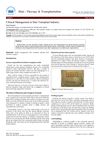 1 citations
,
January 2015 in “Hair therapy & transplantation”
1 citations
,
January 2015 in “Hair therapy & transplantation” Many hair transplant patients are unhappy due to clinical mistakes and the need for better training of surgical assistants is crucial.
 March 2025 in “Journal of Neonatal Surgery”
 Robotic surgery and AI improve precision and recovery in medicine but face cost and training challenges.
 January 2024 in “Wiadomości Lekarskie”
 AI can improve early diagnosis and treatment of diabetic foot complications but requires addressing training and ethical challenges.
39 citations
,
January 2009 in “Journal of Ovarian Research” Observers often disagree on ultrasound results for polycystic ovaries, needing better training for consistency.
 10 citations
,
July 1997 in “Dermatologic Clinics”
10 citations
,
July 1997 in “Dermatologic Clinics” Laser hair transplantation can be effective but should be limited to small areas and requires more training to ensure safety and effectiveness.
 9 citations
,
March 2007 in “Hair transplant forum international”
9 citations
,
March 2007 in “Hair transplant forum international” Densitometry and video-microscopy are precise for evaluating hair loss and transplant success but need special equipment and training.
 3 citations
,
March 2000 in “The American Journal of Cosmetic Surgery”
3 citations
,
March 2000 in “The American Journal of Cosmetic Surgery” A surgeon is defined by their ability to operate, not just formal training, and dermatologists can safely perform cosmetic surgeries.
 1 citations
,
March 2024 in “International Journal of experimental research and review”
1 citations
,
March 2024 in “International Journal of experimental research and review” Most nurses have negative attitudes towards mental illness, highlighting the need for training to improve their views.
 April 2026 in “Cosmetics”
 Robotic systems in cosmetic surgery show promise but face challenges like high costs and need more research and training.

Trichotillomania treatment is improving with new therapies, but challenges like stigma and lack of training remain.
January 2024 in “JMIR Dermatology” Few dermatology programs mention gender-affirming care, highlighting a need for better training and visibility.
 February 2023 in “Indian Journal of Postgraduate Dermatology”
 The IADVL offers residents grants, scholarships, training, and learning resources for academic growth.
 January 2020 in “International Journal of Research in Medical Sciences”
 Dermatology referrals improve patient care, but non-dermatologists need better training in skin conditions.