 56 citations
,
September 2013 in “Journal of Biochemistry and Molecular Biology”
56 citations
,
September 2013 in “Journal of Biochemistry and Molecular Biology” Androgens increase a growth factor in hair cells by creating reactive oxygen species, and antioxidants might help treat hair loss.
 August 2025 in “Intisari Sains Medis”
 The buffy coat method yields higher TGF-β1 levels in PRP, especially in males.
Atopy and altered T cell functions contribute to Alopecia Areata.
 July 2020 in “Benha Medical Journal”
 People with severe Alopecia Areata have higher levels of TGF-β1, which may play a role in the condition.
11 citations
,
January 1992 in “PubMed” TGF-beta 1 and IGF-II mRNA have specific patterns in pig subcutaneous tissue, affecting fat and muscle development.
 March 2026 in “Folia Histochemica et Cytobiologica”
 LTBP1 is a key regulator in diseases and a potential target for new treatments.
January 2010 in “Zhongguo xiandai yixue/Zhongguo xiandai yixue zazhi” TGF-β1 and TNF-α contribute to lung damage after radiation.
 245 citations
,
January 2018 in “Bone Research”
245 citations
,
January 2018 in “Bone Research” TGF-β is crucial for tissue repair and can cause diseases if not properly regulated.
January 1994 in “Skin research” EGF and TGF-α help maintain hair cell cultures, but TGF-β1 stops their growth.
24 citations
,
December 2016 in “Stem Cell Research & Therapy” P311 helps skin stem cells become myofibroblast-like cells, aiding wound healing.
91 citations
,
March 1996 in “Archives of Dermatological Research” Certain cytokines and growth factors can inhibit hair growth and may affect alopecia areata.
56 citations
,
December 1990 in “Differentiation” Growth factors can either promote or inhibit hair follicle cell growth and collagen breakdown.
 53 citations
,
March 2014 in “Growth Hormone & IGF Research”
53 citations
,
March 2014 in “Growth Hormone & IGF Research” IGF-1 injections help mice grow more hair by increasing cell growth and blocking a hair growth inhibitor.
 7 citations
,
September 2017 in “Biomedical and Pharmacology Journal”
7 citations
,
September 2017 in “Biomedical and Pharmacology Journal” Growth factors greatly affect hair loss, with different levels seen in men, women, younger patients, and at the start of the condition.
5 citations
,
April 2022 in “Genes” miR-129-5p affects hair growth by targeting the HOXC13 gene.
 5 citations
,
March 2017 in “Biomedical and Pharmacology Journal”
5 citations
,
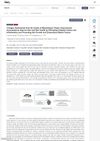
March 2017 in “Biomedical and Pharmacology Journal” Certain growth factors significantly affect hair loss in women with telogen effluvium.
 2 citations
,
August 2023 in “Marine drugs”
2 citations
,
August 2023 in “Marine drugs” Collagen from tilapia scales may improve hair and skin health by reducing stress and inflammation and encouraging hair growth.
2 citations
,
May 2022 in “Journal of trace elements in medicine and biology” Sodium pentaborate pentahydrate can increase hair growth and improve hair quality at certain doses.
 1 citations
,
April 2018 in “Journal of Investigative Dermatology”
1 citations
,
April 2018 in “Journal of Investigative Dermatology” People respond differently to hair loss treatment with PRP because of individual differences in growth factors from platelets.
 February 2024 in “Journal of dermatology”
 CGF therapy may help hair regrowth and improve scars in DLE patients.
Garlic can help hair grow by activating certain growth pathways, and it works whether you eat it or apply it to your scalp.
January 2017 in “Figshare” The herbal mix with Houttuynia cordata, Perilla frutescens, and green tea boosts hair growth in mice.
Balding hair follicles have reduced growth factors and increased inhibitory factors, suggesting new treatment paths for hair loss.
 January 2008 in “Journal of The American Academy of Dermatology”
 ROS may affect hair loss related to hormones.
2 citations
,
September 2004 in “Experimental Dermatology” VR1 signaling can inhibit hair growth by affecting cell processes and increasing hair growth inhibitors.
27 citations
,
September 2015 in “Drug Design Development and Therapy” Collagenase IV is crucial for hair growth by affecting key growth factors.
1 citations
,
May 2012 in “International Conference on Biomedical Engineering and Biotechnology” TGF-β receptor 1 helps deer antlers grow by aiding skin and cartilage cell growth.
 March 2012 in “Journal of The American Academy of Dermatology”
 Higher levels of certain nerve-related proteins are linked to hair loss in women with scalp pain.
385 citations
,
November 1990 in “Journal of Cell Science” Human hair follicles can grow in a lab setting.
58 citations
,
December 1992 in “British Journal of Dermatology” Rat hair follicles grow longer in vitro, but certain factors can inhibit this growth.