 53 citations
,
May 2010 in “Dermatologic Surgery”
53 citations
,
May 2010 in “Dermatologic Surgery” Hair transplantation may not work for Frontal Fibrosing Alopecia as transplanted hair was lost when the disease came back.
 33 citations
,
September 1998 in “Dermatologic Surgery”
33 citations
,
September 1998 in “Dermatologic Surgery” Surgeons suggested a standard system for hair transplant methods to improve communication and results.
 17 citations
,
June 2002 in “Dermatologic Surgery”
17 citations
,
June 2002 in “Dermatologic Surgery” Chinese patients have fewer hair follicles than Caucasians, and transplanting hair at 40% of normal density works for natural-looking hairlines.
 16 citations
,
April 2009 in “Dermatologic Surgery”
16 citations
,
April 2009 in “Dermatologic Surgery” The place where hair is transplanted can change its growth rate and length but not its thickness.
 13 citations
,
September 2002 in “Dermatologic Surgery”
13 citations
,
September 2002 in “Dermatologic Surgery” Effective repair of bad hair transplants requires skilled techniques and careful use of donor hair, with strategies like reimplantation and camouflage, and new methods to minimize scarring.
 11 citations
,
August 2020 in “Dermatologic Surgery”
11 citations
,
August 2020 in “Dermatologic Surgery” Different hair transplant tools work best in different situations; surgeons should know their tools and patient differences to improve results.
 11 citations
,
April 2016 in “Dermatologic Surgery”
11 citations
,
April 2016 in “Dermatologic Surgery” Expert surgeons have a lower rate of hidden damage to hair during hair transplant procedures than beginners.
 11 citations
,
July 2010 in “Dermatologic Surgery”
11 citations
,
July 2010 in “Dermatologic Surgery” Postoperative folliculitis after hair transplants is a minor issue that doesn't relate to patient details or how much hair is transplanted.
 10 citations
,
May 2014 in “Facial Plastic Surgery”
10 citations
,
May 2014 in “Facial Plastic Surgery” Hair transplantation using PLFUT is effective for eyebrow restoration with natural-looking results and no scarring.
 9 citations
,
March 2020 in “Dermatologic Surgery”
9 citations
,
March 2020 in “Dermatologic Surgery” Both Follicular Unit Transplantation (FUT) and Follicular Unit Excision (FUE) are effective hair transplant methods; the best choice depends on the patient's needs and the surgeon's preference.
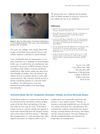 9 citations
,
November 2013 in “Dermatologic Surgery”
9 citations
,
November 2013 in “Dermatologic Surgery” Hair transplant complications were likely due to deep graft placement and rough handling.
 7 citations
,
March 2002 in “Aesthetic Surgery Journal”
7 citations
,
March 2002 in “Aesthetic Surgery Journal” In 2002, hair restoration improved by using a different area for grafts and absorbable sutures, leading to less discomfort and better results.
 5 citations
,
March 2018 in “Dermatologic Surgery”
5 citations
,
March 2018 in “Dermatologic Surgery” The study found that most donor sites are good for hairline restoration in Southeast Asian women, but hair characteristics should match for a natural look, and aging can reduce hair density and diameter.
 5 citations
,
August 2011 in “Dermatologic Surgery”
5 citations
,
August 2011 in “Dermatologic Surgery” Artificial dermis used for hair transplantation can reconstruct scalp defects effectively without the need for tissue expansion.
 3 citations
,
April 2011 in “Dermatologic Surgery”
3 citations
,
April 2011 in “Dermatologic Surgery” Different women have various natural hairline shapes, and understanding this is important for designing hair transplants.
 2 citations
,
June 2020 in “Dermatologic Surgery”
2 citations
,
June 2020 in “Dermatologic Surgery” Fat grafting before hair transplant may improve hair growth in scarring alopecia.
 2 citations
,
September 2019 in “Dermatologic Surgery”
2 citations
,
September 2019 in “Dermatologic Surgery” The two-step procedure of fat grafting followed by hair grafting improves scalp and facial scar correction.
 2 citations
,
December 1999 in “Dermatologic Surgery”
2 citations
,
December 1999 in “Dermatologic Surgery” Achieving original hair density with transplants is unrealistic; skilled practitioners are essential for the best results.
 1 citations
,
August 2008 in “Dermatologic Surgery”
1 citations
,
August 2008 in “Dermatologic Surgery” High-density hair transplants can have high survival rates with improved techniques, but lower densities might also give good results.
 1 citations
,
January 2006 in “Dermatologic Surgery”
1 citations
,
January 2006 in “Dermatologic Surgery” The SAFE System may reduce hair transplant transection rates but has been critiqued for not being as minimally invasive as claimed.
 1 citations
,
January 1998 in “Seminars in Plastic Surgery”
1 citations
,
January 1998 in “Seminars in Plastic Surgery” Hair transplantation using micro- and minigraft megasessions is safe, effective, and provides natural results with high patient satisfaction.
July 2026 in “Aesthetic Surgery Journal Open Forum” The technique is safe and effective for treating advanced hair loss.
 July 2021 in “Aesthetic Surgery Journal”
 Using lasers and fat grafting before hair transplant improves hair growth on scarred skin.
 September 2007 in “Dermatologic Surgery”
 3% hydrogen peroxide does not reduce hair graft survival compared to saline.
 November 2006 in “Dermatologic Surgery”
 Cutting hair follicles into pieces for transplantation results in poor growth and thinner hair, and the technique is more invasive than previously thought.
 May 2006 in “Dermatologic Surgery”
 Most nonbald men's multi-hair follicles are naturally positioned perpendicular to a line from the scalp's crown, which is important for natural-looking hair transplants.
 20 citations
,
April 2011 in “Dermatologic Surgery”
20 citations
,
April 2011 in “Dermatologic Surgery” Laser therapy helped new hair grow in scarred skin for three patients.
 17 citations
,
May 2015 in “Aesthetic Plastic Surgery”
17 citations
,
May 2015 in “Aesthetic Plastic Surgery” FUE hair transplantation using a micromotor is effective and gives natural results with few complications.
 8 citations
,
April 2020 in “Facial Plastic Surgery Clinics of North America”
8 citations
,
April 2020 in “Facial Plastic Surgery Clinics of North America” Follicular Unit Transplantation is a reliable hair restoration method with a high success rate and minimal scarring.
6 citations
,
August 2024 in “Aesthetic Plastic Surgery” Recipient site necrosis is a rare but serious complication of hair transplants, often linked to smoking, diabetes, and hypertension.