 August 2023 in “Dermatologic Surgery”
 Person-to-person hair transplants can work for patients on lifelong immunosuppression, with high hair growth success.
ILC1-like cells can independently cause alopecia areata by affecting hair follicles.
 June 2020 in “Applied sciences”
 A new semi-automatic hair implanter could make hair transplants easier, more successful, and more accessible.
 May 2018 in “Journal of dermatology and dermatitis”
 PRP is a promising treatment for autoimmune hair loss but its exact workings are not fully understood.
 January 2018 in “Springer eBooks”
 Lasers are less favored for hair transplant surgery but show promise for hair growth in controlled trials.
 January 2018 in “Springer eBooks”
 PDE inhibitors, especially PDE4 inhibitors like apremilast, are effective for certain inflammatory skin conditions but have side effects and can be costly.
April 2017 in “Al-Azhar Medical Journal” PRP is an effective and safe treatment for alopecia areata.

Follicular unit grafting is a procedure used to treat hair loss, where small hair grafts are placed into the scalp, with future treatments likely to involve smaller incisions and cell-based therapies.
 December 2012 in “Canadian journal of ophthalmology”
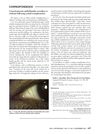
 Eyelash transplantation can cause eye damage and pain if not done carefully.
 October 2007 in “Journal of Investigative Dermatology”
 The document suggests a bacteria plays a significant role in acne rosacea and that white hair can regain color after transplant, meriting more research on reversing grey hair.

Hair restoration surgery has improved to transplant hair in natural groupings, but it's labor-intensive and can't fully restore normal hair density.
 June 1997 in “The American Journal of Cosmetic Surgery”
 The book "Color Atlas of Hair Restoration Surgery" provides useful information on hair restoration techniques, though some methods discussed may cause scarring.
 November 1994 in “The Journal of Dermatologic Surgery and Oncology”
 Thousand-graft hair transplants offer better coverage and look more natural but have concerns about graft survival and cosmetic risks.
 January 1989 in “Clinical and Experimental Dermatology”
 The symposium concluded that hair growth involves complex processes, including the hair follicle life cycle, the role of the dermal papilla, hair strength, pigmentation, and the impact of diseases and treatments like minoxidil on hair and skin.
 January 2026 in “Journal of Cosmetics Dermatological Sciences and Applications”
 PRP shows promise for hair restoration with mild side effects, but more research is needed for clear guidelines.
October 2024 in “Frontiers in Immunology” Pertussis toxin may contribute to hair loss in alopecia areata.
ILC1-like cells may contribute to hair loss in alopecia areata.
ILC1-like cells may contribute to hair loss in alopecia areata and could be new treatment targets.
 January 2011 in “International Journal of Trichology”
 The conference highlighted new diagnostic tools, the role of genetics in hair loss, and emerging treatments.
 29 citations
,
March 2016 in “Cell cycle/Cell cycle (Georgetown, Tex. Online)”
29 citations
,
March 2016 in “Cell cycle/Cell cycle (Georgetown, Tex. Online)” Isoproterenol helps hair follicle stem cells turn into beating heart muscle cells.
 March 2026 in “Editora Pasteur eBooks”
 Hair health is affected by various conditions and requires personalized treatment.
 October 2025 in “Revista fisio&terapia.”
 Proper care and management are crucial for successful hair transplants and minimizing complications.
November 2024 in “Revista fisio&terapia.” JAK inhibitors show promise for treating Alopecia Areata, but more research is needed for better, accessible treatments.
January 2024 in “Surgical & Cosmetic Dermatology” Hair transplants can help transgender individuals match their appearance with their gender identity.
 November 2021 in “Research, Society and Development”
 Individualized treatment and psychological support are crucial for alopecia.
 February 2014 in “Medicine - Programa De Formación Médica Continuada Acreditado”
 The document concludes that non-scarring alopecias can be reversed, but scarring alopecias cause permanent hair loss.
 532 citations
,
August 2011 in “Journal of the American Academy of Dermatology”
532 citations
,
August 2011 in “Journal of the American Academy of Dermatology” Vitiligo is a skin condition causing white spots, more common in women, often starts before age 20, and can affect mental health.
 375 citations
,
July 2006 in “Journal of Investigative Dermatology”
375 citations
,
July 2006 in “Journal of Investigative Dermatology” Stress can worsen skin and hair conditions by affecting the skin's immune response and hormone levels.
 165 citations
,
January 2014 in “Dermatology Research and Practice”
165 citations
,
January 2014 in “Dermatology Research and Practice” Zinc is effective for treating various skin conditions, including warts and acne.
 129 citations
,
October 2007 in “The New England Journal of Medicine”
129 citations
,
October 2007 in “The New England Journal of Medicine” Over one-third of women experience hair loss, with female-pattern hair loss being most common, and treatments include minoxidil and possibly hair transplantation.