
Proper planning and careful extraction are crucial for successful and sustainable hair transplants.
 January 2026 in “International Society of Hair Restoration Surgery”
 A multimodal approach successfully restored a burn victim's scalp hair over 10 years.
 November 2024 in “International Society of Hair Restoration Surgery”
 FUT is a hair restoration method that should be chosen based on individual patient needs and preferences.
April 2024 in “Journal of clinical medicine” Effective treatment guidelines for frontal fibrosing alopecia are still unclear.
 August 2023 in “International Journal of Molecular Sciences”
 Human skin xenografting could improve our understanding of skin development, renewal, and healing.
 July 2023 in “JAAD International”
 Two drugs, finasteride and minoxidil, are approved for hair loss treatment, but new therapies are being developed.
 June 2023 in “Journal of Cosmetic Dermatology”
 The new follicular unit extraction treatment effectively treats severe hair loss in Asian men, giving natural-looking results with few side effects.
 January 2021 in “Journal of Cutaneous and Aesthetic Surgery”
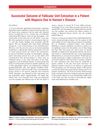
 Follicular unit extraction successfully restored hair growth in a leprosy patient without disease relapse.
 July 2017 in “JAMA Dermatology”
 The document corrects a missing conflict of interest and acknowledges a pioneer in hair transplantation and his other contributions.
 January 2014 in “Cosmoderma”
 The document concludes that personalized treatment plans for hair loss in Asian men are necessary and more research is needed to develop effective guidelines.
 September 2013 in “Hair transplant forum international”
 The document says doctors should identify and treat Frontal fibrosing alopecia medically before considering surgery, as treatments often don't work well.
 September 2002 in “Dermatologic Surgery”
 The evaluation system improves patient selection for hair loss surgery, leading to fewer but more successful surgeries.
 September 1997 in “Dermatologic Surgery”
 The article concludes that uniform density hair restoration is generally preferred for its natural look, but the best approach depends on the individual's characteristics and preferences.
 July 2018 in “Hair transplant forum international”
 To prevent thinning in the donor area, harvest less than 50% of the original hair density in repeat hair transplants.
 16 citations
,
February 2010 in “Facial Plastic Surgery Clinics of North America”
16 citations
,
February 2010 in “Facial Plastic Surgery Clinics of North America” Dr. Samuel M. Lam's article concludes that skilled facial fat grafting can effectively restore facial volume and serve as a complement or alternative to traditional face-lifting methods.
 6 citations
,
June 2016 in “Experimental Dermatology”
6 citations
,
June 2016 in “Experimental Dermatology” Frontal Fibrosing Alopecia is a poorly understood condition that is hard to treat and causes distressing hair loss.
 1 citations
,
September 2023 in “Journal of cosmetic dermatology”
1 citations
,
September 2023 in “Journal of cosmetic dermatology” Autologous FUE hair transplantation is effective and safe for treating hair loss due to scarring from infections.
 November 2025 in “International Society of Hair Restoration Surgery”
 Immediate post-operative folliculitis is a reaction to surgery, not an infection.
September 2025 in “Surgeries” Hair transplants can work for stable cicatricial alopecia, but success varies by condition.
 June 2025 in “Clinical Cosmetic and Investigational Dermatology”
 FUE hair transplantation is safe and effective for improving hair loss in children.
 May 2025 in “Dermatologic Surgery”
 Hair transplants now offer natural, lasting results with high satisfaction due to advanced techniques and therapies.
 August 2023 in “Clinical, Cosmetic and Investigational Dermatology”
 The new hair transplant device reduces damage to hair follicles and makes surgery more comfortable for the surgeon.
 July 2013 in “International Society of Hair Restoration Surgery”
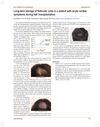
 Effective storage of hair follicles is crucial for successful hair transplants, especially in patients with heart issues.
 December 2012 in “Canadian journal of ophthalmology”
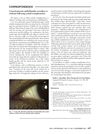
 Eyelash transplantation can cause eye damage and pain if not done carefully.
 19 citations
,
February 2008 in “Facial Plastic Surgery”
19 citations
,
February 2008 in “Facial Plastic Surgery” The article concludes that microvascular free flaps, especially the latissimus dorsi flap, are recommended for large scalp reconstructions, and hair transplantation offers high survival rates and excellent aesthetic results.
 6 citations
,
July 2007 in “Aesthetic Surgery Journal”
6 citations
,
July 2007 in “Aesthetic Surgery Journal” The document concludes that using autologous follicular unit implantation is a successful method to correct hairline deformities after facial rejuvenation.
4 citations
,
February 2022 in “PeerJ” Hair follicle stem cell transplants can reverse liver cirrhosis by blocking harmful cell activation.
 4 citations
,
July 2016 in “Dermatologic Surgery”
4 citations
,
July 2016 in “Dermatologic Surgery” Higher epinephrine concentration and specific injection sites increase scalp vasoconstriction time.
 1 citations
,
January 2014 in “Hair transplant forum international”
1 citations
,
January 2014 in “Hair transplant forum international” Heavy smoking and other factors may lead to reduced blood flow and tissue death after hair transplant surgery.
 June 2026 in “Journal of Cutaneous and Aesthetic Surgery”
 FUE is effective for improving hair regrowth and appearance in scarred areas.